2026 Top Fastener Manufacturer Trends and Innovations to Watch?
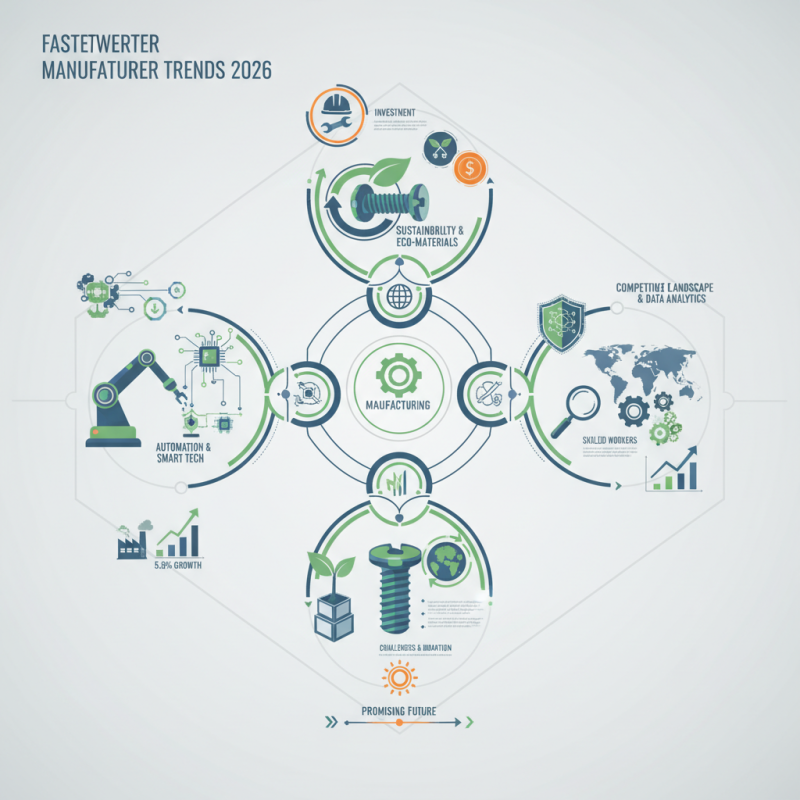
As we head into 2026, the landscape for fastener manufacturers is evolving rapidly. Industry reports indicate a projected growth rate of 5.6% for the fastener market globally, driven by innovations and technological advancements. Fastener manufacturers are particularly focusing on automation and smart technologies to enhance production efficiency. However, this shift comes with challenges, such as the need for skilled workers who can operate advanced machinery.
Sustainability is another emerging trend. Many fastener manufacturers are now exploring eco-friendly materials to meet growing environmental regulations. For example, the use of recycled materials in fasteners could reduce carbon footprints significantly. Yet, the transition can be slow and resource-intensive, highlighting the need for careful planning and investment.
Moreover, the competitive landscape is intensifying. Companies must adopt new strategies, from enhancing supply chains to leveraging data analytics for better decision-making. While these changes promise substantial benefits, they also require ongoing evaluation and adaptation. The future looks promising, but fastener manufacturers must remain vigilant and flexible.
Emerging Materials Shaping the Future of Fastener Manufacturing
Emerging materials are transforming fastener manufacturing. New technologies are paving the way for innovative solutions. Manufacturers are exploring advanced polymers, lighter metals, and composite materials. These options are not only stronger but also more cost-effective. They can endure extreme environments and reduce production waste.
Biodegradable fasteners are on the rise. This shift reflects growing environmental concerns. However, the durability of such materials requires careful consideration. Engineers face challenges in ensuring these fasteners meet industry standards. The balance between sustainability and performance is delicate.
Recycled materials are gaining traction too. Incorporating these materials can lower costs and support circular economy goals. Yet, the consistency in quality remains a critical issue. Manufacturers must find reliable sources while maintaining innovation. Focusing on these emerging materials is essential for future competitiveness in the industry.
2026 Top Fastener Manufacturer Trends and Innovations to Watch
| Trend / Innovation |
Description |
Impact on Industry |
Emerging Material |
| Additive Manufacturing |
Utilizing 3D printing for custom fastener production. |
Increases efficiency and reduces waste. |
Composite Materials |
| Sustainable Practices |
Incorporating eco-friendly materials and processes. |
Drives market competitiveness and compliance with regulations. |
Biodegradable Plastics |
| Smart Fasteners |
Integration of sensors and IoT technology. |
Enhances monitoring and maintenance of assemblies. |
Metal Matrix Composites |
| Lightweight Materials |
Adoption of lighter materials to reduce overall assembly weight. |
Improves energy efficiency in transport and structures. |
Aluminum Alloys |
| Automation and Robotics |
Use of robotics for assembly and quality assurance. |
Increases production speed and consistency. |
High-Strength Steel |
Sustainable Practices: The Green Revolution in Fastener Production
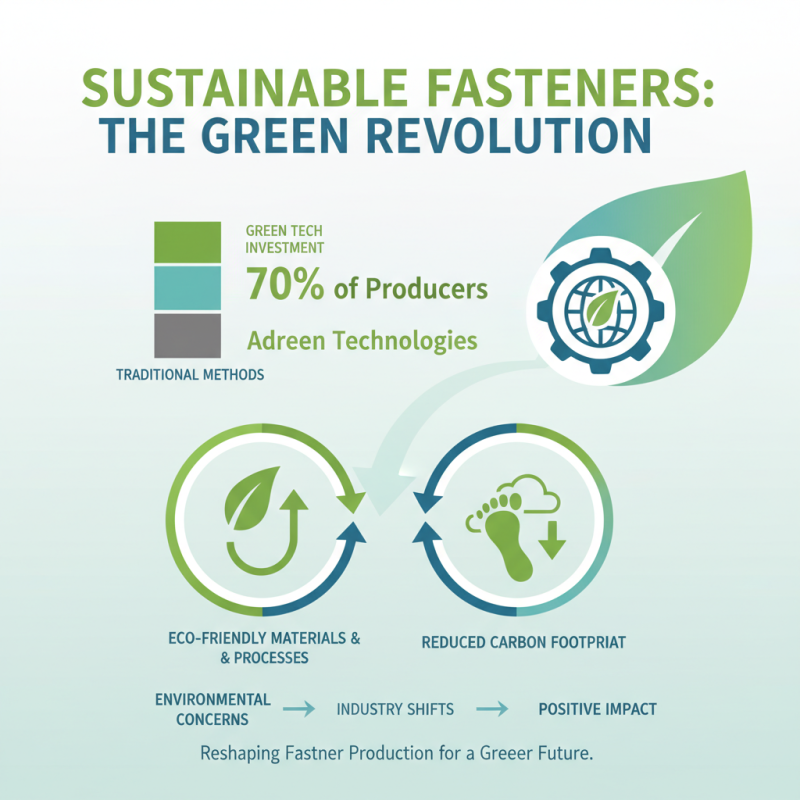
Sustainable practices are reshaping the fastener production industry. As environmental concerns rise, manufacturers are prioritizing eco-friendly materials and processes. Recent studies indicate that around 70% of fastener producers are investing in green technologies. Implementing these changes can significantly reduce carbon footprints.
Recycled materials are becoming popular, with many fasteners now made from post-consumer plastics and metals. This shift is not just beneficial for the planet; it often leads to cost savings. For instance, transitioning to recycled materials can save up to 30% in raw material costs. However, challenges remain. Quality control and performance must meet industry standards, creating a balancing act for manufacturers.
Moreover, the demand for sustainable certification is increasing. In 2023, about 40% of fastener buyers indicated preferences for certified eco-friendly products. This trend pressures manufacturers to adapt quickly. Yet, some companies struggle to implement these practices effectively. They often face hurdles, including higher upfront costs and the need for new supplier relationships. The journey toward sustainability is complex, but undeniably necessary.
Technological Advancements: Machine Learning and Automation in Fasteners
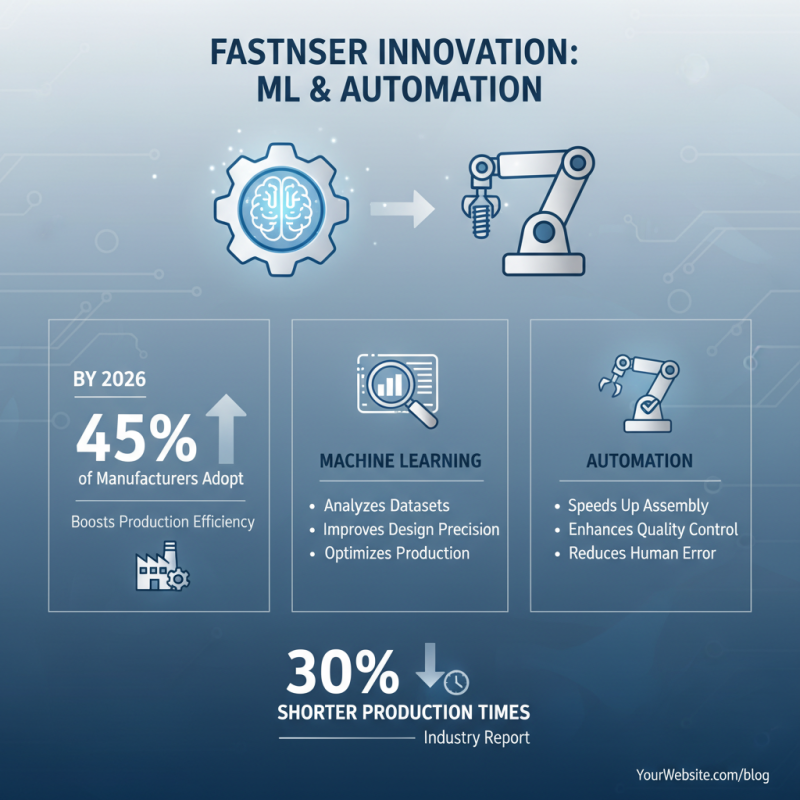
Machine learning and automation are rapidly transforming the fastener manufacturing landscape. By 2026, an estimated 45% of fastener manufacturers will leverage these technologies to enhance production efficiency. Machine learning algorithms analyze vast data sets, improving precision in fastener design and production processes. Automation speeds up assembly and quality control, reducing human error. This shift could reduce production times by up to 30%, according to recent industry reports.
Moreover, the integration of smart technology in fastener systems is gaining traction. Innovative sensors monitor performance in real-time, providing feedback for proactive maintenance. This reduces downtime and enhances reliability. A survey indicated that companies implementing automation saw a 50% reduction in defect rates. However, challenges remain. Many manufacturers struggle with the initial costs of implementation and training workers to adapt to new technologies. Balancing tradition and innovation proves complex, yet essential for growth in this competitive sector.
Market Trends: The Demand for Customization and Versatility in Fasteners
The fastener industry is seeing an increasing demand for customization and versatility. According to market reports, 70% of manufacturers are prioritizing tailored solutions to meet specific customer needs. This reflects a shift toward personalized products that suit unique applications. Businesses recognize that standard options often fail to capture the complexities of various projects.
A 2023 industry survey highlighted that 65% of respondents believe versatility in fasteners attracts a broader range of applications. Companies are innovating to create multi-functional tools, streamlining manufacturing processes, and reducing lead times. This trend is evident in the growing use of advanced materials, enabling products that resist corrosion and enhance strength.
Tip: Always assess your specific requirements before choosing fasteners. A mismatch can lead to failures or unnecessary costs.
Another aspect to consider is the push for eco-friendly solutions. The industry is transitioning towards sustainable materials. This aligns with global efforts to reduce environmental impact. However, sourcing such materials can be challenging.
Tip: Evaluate different suppliers to find sustainable options that also meet performance standards. It’s worth the investment.
Overall, the demand for customization and versatility in fasteners is reshaping the industry landscape. Navigating these changes requires careful consideration and an adaptive approach.
The Role of Industry 4.0 in Fastener Manufacturing Innovations
Industry 4.0 is transforming fastener manufacturing. Advanced technologies like IoT and AI optimize processes. Reports show that by 2025, 70% of manufacturers will use Industry 4.0 technologies. This shift enhances efficiency and reduces waste.
Automation in production lines is a game changer. Robots handle repetitive tasks, ensuring precision. Despite this, companies need to balance automation with skilled labor. Worker training is crucial to fully exploit new technologies. Industry data indicates that 30% of manufacturers face skill gaps as they adopt automation.
Smart factories enable real-time monitoring of production metrics. Sensors collect data, helping manufacturers identify issues quickly. However, reliance on technology poses risks. Cybersecurity threats are a growing concern. The fastener industry must invest in security measures to protect vital information. Understanding these trends shapes a more resilient future. The journey of innovation in fasteners is ongoing and complex.



 Phone
Phone Send Email
 whatsapp
 Facebook
 Youtube