2026 Best Bolts for Your Projects Which Ones to Choose?
When embarking on any construction or DIY project, choosing the right bolts is crucial. Expert engineer John Matthews states, "The strength of your project starts with the bolts you use." His insight emphasizes the importance of selecting high-quality bolts to ensure durability and safety.
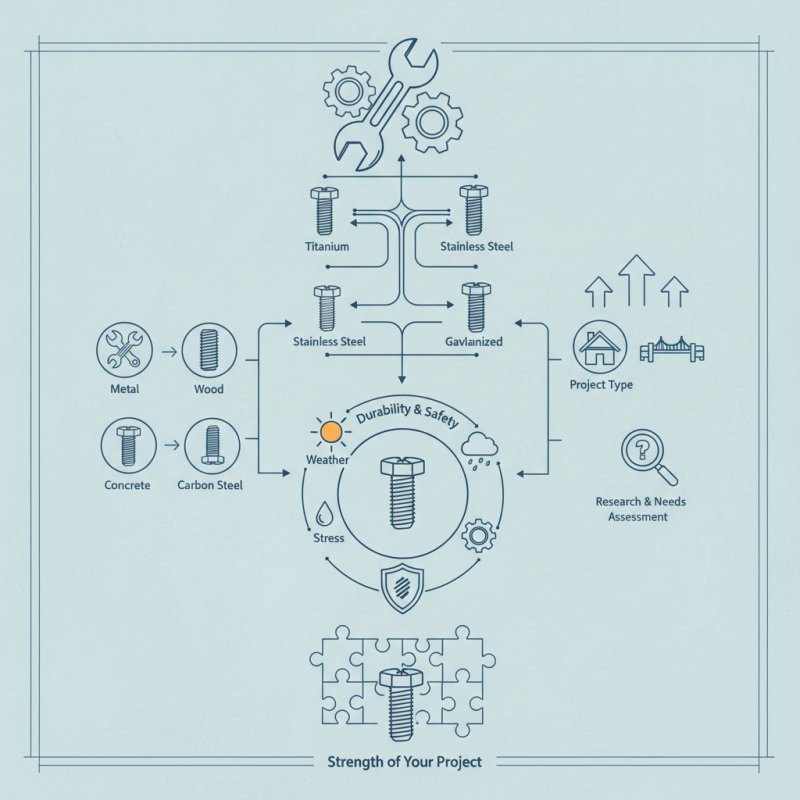
In 2026, the variety of bolts available can be overwhelming. From titanium to stainless steel, each type has its own unique properties. Knowing which bolts to choose depends on your specific application. Are you working with metal, wood, or concrete? Each material requires different bolt characteristics.
Not every bolt is created equal. A common mistake is underestimating the environment where the project will be executed. Weather conditions can cause corrosion, affecting the longevity of your bolts. Proper research and understanding of your project's needs are vital. Always question if you're using the best bolts for your goals.
Understanding the Different Types of Bolts and Their Applications
When choosing bolts for your projects, understanding the types is essential. Bolts come in various shapes and sizes, each serving different functions. For instance, hex bolts are popular in construction. Their flat hexagonal heads provide a stable surface for wrenches. They fit firmly into materials, but sometimes, they can be over-tightened, causing material strain.
On the other hand, lag bolts, also known as lag screws, have coarse threads. They are ideal for wood applications, offering strong grip and support. However, improper installation can lead to splitting wood. Carriage bolts have a round head and are designed to prevent spinning. They work well in holding sections together, but their clamping force might not be sufficient for heavy loads.
Selecting the right bolt depends on your project requirements. Each type has its drawbacks, and sometimes it takes trial and error to find the best fit. Knowledge of materials and load requirements helps in making informed decisions. Consider the application carefully to avoid complications later on.
Material Composition: Choosing Between Steel, Stainless Steel, and Alloys
When choosing the right bolts for your projects, material composition is key. Steel bolts are commonly used due to their strength and affordability. They can withstand heavy loads but may rust over time. For outdoor projects, this could be a concern.
Stainless steel bolts are a fantastic alternative. They resist corrosion and offer durability in various environments. However, they tend to be more expensive. If you’re working with a tight budget, this might make you hesitate. Alloys are another option. They can provide a mix of strength and resistance. However, the selection can be perplexing. Some people find it hard to gauge which alloy suits their needs best.
Each material has its pros and cons. Understanding your project requirements is essential. It’s also important to consider the environment where the bolts will be used. Don’t rush your decision. Reflect on your choices, as the wrong bolt can lead to project failure. Aim for a balance of performance and cost. Your projects deserve the right hardware.
2026 Best Bolts for Your Projects Which Ones to Choose?
| Material |
Tensile Strength (MPa) |
Corrosion Resistance |
Cost ($ per 100 pcs) |
Common Applications |
| Carbon Steel |
400-620 |
Low |
$15 |
Construction, machinery |
| Stainless Steel |
520-800 |
High |
$35 |
Marine, food processing |
| Alloy Steel |
600-1000 |
Moderate |
$25 |
Automotive, aerospace |
| Titanium |
850-1200 |
Very High |
$150 |
Aerospace, medical |
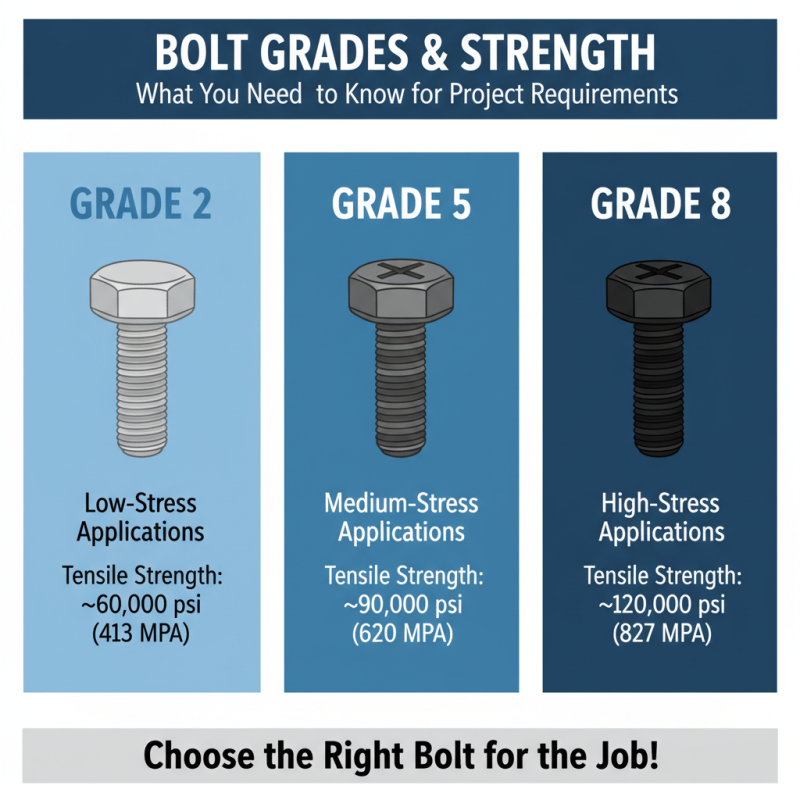
Bolt Grades and Strength: What You Need to Know for Project Requirements
When choosing bolts for your projects, understanding bolt grades and strength is crucial. Bolts are categorized into grades based on their tensile strength. Common grades include Grade 2, Grade 5, and Grade 8. Grade 2 bolts are suitable for low-stress applications. They have a tensile strength of about 60,000 psi. On the higher end, Grade 8 bolts can handle up to 120,000 psi. This significant difference affects their application and cost.
Tips: Always match the bolt grade to your project requirements. Check the specifications thoroughly. Misusing a lower-grade bolt where a higher grade is required can lead to failures.
Consider factors like shear strength and corrosion resistance. For instance, a Grade 5 bolt may suffice indoors but could corrode outdoors. The right choice often depends on the environment. Some bolts may look sturdy but fail under specific conditions. Understanding these nuances is key.
Tip: Don't overlook environmental factors. External conditions can dramatically affect bolt performance. Always choose materials that suit your project's location and demands. Testing bolt performance under real conditions is essential to avoid future issues.
Thread Types and Sizes: Matching Bolts to Nuts and Fastening Needs
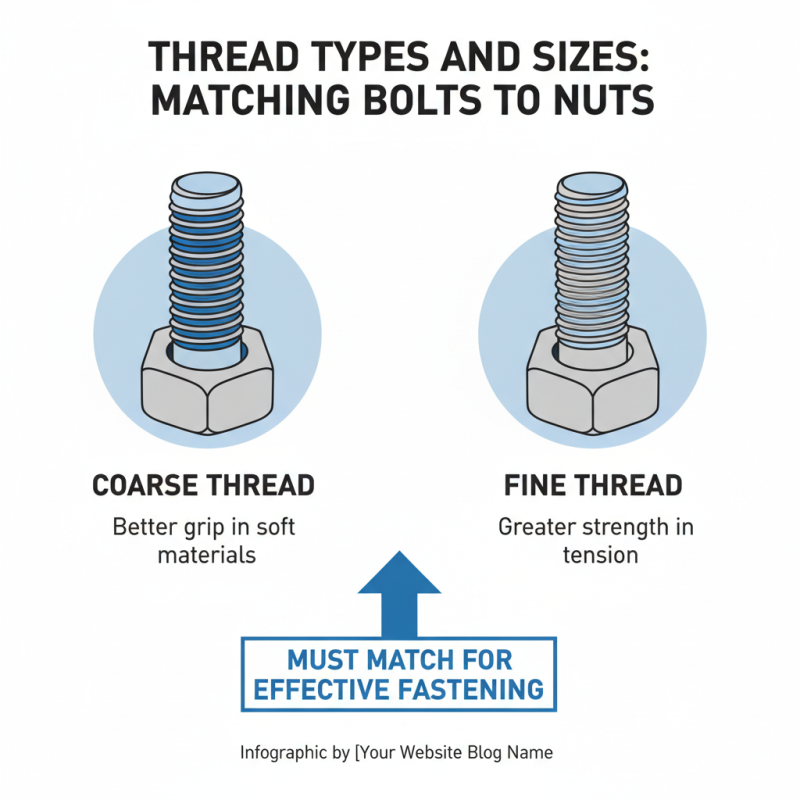
When it comes to selecting bolts for your project, understanding thread types and sizes is crucial. Bolts come with various thread profiles, including coarse and fine threads. Coarse threads provide better grip in soft materials. Fine threads offer greater strength in tension. You must match these threads with the appropriate nuts for effective fastening.
Additionally, consider the diameter of the bolts. Common sizes range from 1/4 inch to 1 inch. The size you choose affects the load capacity. Too small a bolt may fail under pressure. However, larger bolts might require more drilling and additional space. This decision can affect your project's design.
Sometimes, the choice isn't clear-cut. You may consider factors like material type and environmental conditions. For example, a stainless steel bolt might be ideal for exposure to moisture. Yet, that same bolt may corrode faster in certain acidic environments. Reflecting on your specific needs is crucial. There is no one-size-fits-all solution in bolting.
Industry Standards and Certification: Ensuring Quality in Bolt Selection
When selecting bolts for your projects, industry standards and certification are vital. They ensure that the bolts you choose meet specific quality benchmarks. Various organizations provide certifications. These require rigorous testing. Certified bolts can withstand strain and stress better. That reliability is key in construction and manufacturing.
Many users overlook certifications. They might favor the cheaper options without understanding risks. Uncertified bolts can lead to project failures. These failures cost time and money. It’s worth investing in quality. Look for clear markings on the bolts. These indicate adherence to reputable standards.
Understanding the grade of a bolt is essential. Different materials and treatments affect strength. Not all projects require the same quality. Some might need higher-grade bolts; others might not. Misjudging this can compromise safety. That’s why careful selection matters. Research thoroughly before making a purchase. Your project’s integrity depends on the bolts you choose.


 Phone
Phone Send Email
 whatsapp
 Facebook
 Youtube