What is China Fasteners and How Are They Used in Industry?
China Fasteners play a crucial role in various industries, including construction, automotive, and aerospace. These small yet essential components are used to join materials securely. Understanding China Fasteners is vital for anyone involved in manufacturing or assembling products.
The craftsmanship behind these fasteners reflects a blend of tradition and modern technology. They come in many forms, such as bolts, screws, and nuts, each serving a specific purpose. The choice of material and design often depends on the application to ensure reliability and strength. However, not all fasteners are created equal. Poor-quality fasteners can lead to failures and safety hazards.
In the realm of global trade, China Fasteners dominate the market. Their affordability and availability make them a popular choice worldwide. Yet, this accessibility brings challenges, like varying quality standards. Industries must remain vigilant in sourcing high-quality fasteners to avoid costly mistakes. Understanding these intricacies helps ensure that projects meet safety and performance requirements.
Definition and Overview of China Fasteners
China fasteners play a crucial role in various industries. These components, including nuts, bolts, screws, and anchors, are vital for assembling and securing different structures, machines, and equipment. In 2021, the global fastener market was valued at approximately $87 billion, with a significant portion coming from China, which produces nearly 50% of world fasteners. The manufacturing sector in China is known for its high efficiency and competitive pricing, making it a leading supplier.
The use of China fasteners spans automotive, aerospace, and construction industries. For example, the automotive sector requires precision fasteners that meet stringent safety standards. A report indicated that around 60% of fasteners are utilized in automotive applications. However, there are ongoing discussions about quality control in production processes. Some manufacturers may compromise quality for lower costs, leading to concerns about reliability in critical applications. The necessity for stringent testing and adherence to international standards is more important than ever.
In the construction industry, fasteners are essential for structural integrity. Reports highlight that inadequate fastener selection can lead to costly failures. The growth of smart buildings is increasing demand for advanced fastener solutions. Many manufacturers are now exploring innovative materials to improve strength and reduce weight. However, these innovations must be balanced with practical implementation, ensuring that industry standards are met.
Usage of Fasteners in Various Industries
Types of Fasteners Commonly Produced in China
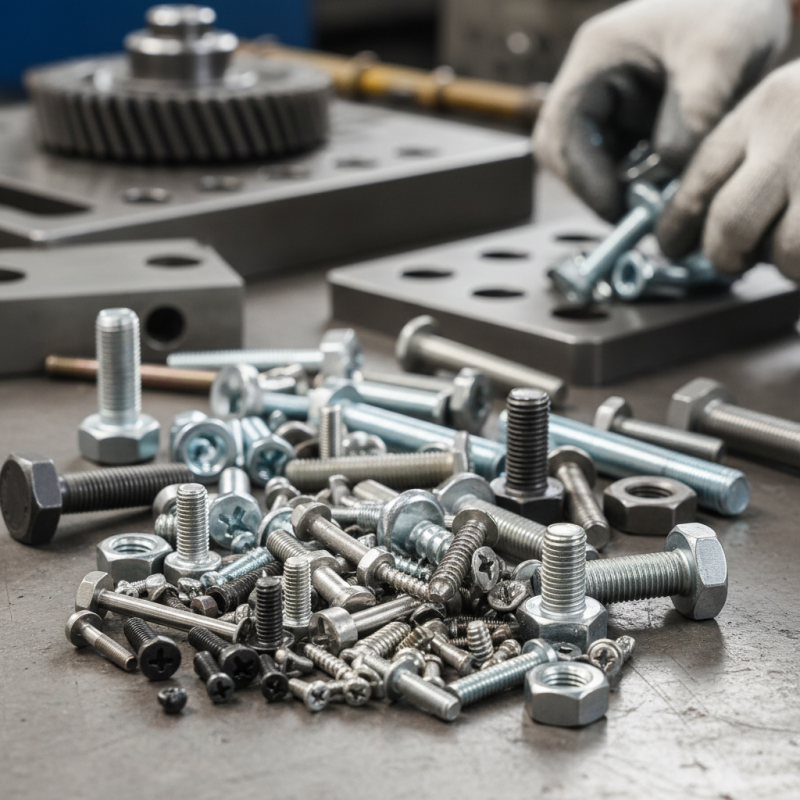
China is a major player in the fastener industry, producing a variety of products that serve essential functions across multiple sectors. Among the common types are bolts, screws, nuts, and washers. These items are crucial for assembly in automotive, aerospace, and construction fields. Each fastener type has specific applications that require precise engineering.
Bolts are typically used for heavy-duty applications. They provide strong joints and can withstand significant loads. Screws, on the other hand, are more versatile. They are ideal for lighter tasks and are often used in household items. Nuts complement these fasteners by securing them tightly, ensuring stability and strength in assemblies. Washers play a crucial role in distributing load. They also prevent damage to surfaces.
Despite their importance, fasteners can be overlooked in the design process. Engineers sometimes underestimate the quality required for specific applications. This can lead to failures and safety risks. The manufacturing processes in China are advanced, yet they require rigorous quality control to meet industry standards. Improper fasteners can have severe repercussions. Hence, understanding the nuances of each type is critical for industries relying on them.
Applications of Fasteners in Various Industries
Fasteners play a vital role across various industries, connecting components with precision. In construction, bolts and screws secure frameworks and machinery.
A report by the Global Fasteners Market indicates that by 2025, the market is expected to reach USD 113.4 billion, highlighting their importance.
In the automotive sector, fasteners ensure safety and performance. They hold together crucial elements like engines and chassis. According to industry data,
more than 200 billion fasteners are used each year in vehicles. This underscores the dependence on these small yet critical components.
Tip: Always choose the right fastener type for specific applications. Not all fasteners are suitable for every material or load.
The aerospace industry relies heavily on lightweight fasteners to minimize weight without compromising strength. Over time, fasteners can experience wear
or corrosion, impacting their reliability. Regular inspections and maintenance are essential for safety.
Tip: Consider using corrosion-resistant materials in environments prone to corrosion. This can enhance longevity and performance.
In the electronics industry, fasteners secure components in devices. A single malfunctioning fastener can lead to device failure. Therefore, quality control
is paramount. Developing a thorough understanding of fastener specifications can help industries improve efficiency.
Manufacturing Processes for China Fasteners
China fasteners are essential components used in various industries. Their manufacturing processes are diverse and intricate. Understanding these processes helps industries choose the right fasteners for specific applications.
The production of China fasteners typically begins with raw materials like steel and aluminum. These materials undergo processes like forging and machining. Forging shapes the metal by applying pressure. Machining adds precision through cutting or drilling. Each technique ensures fasteners meet stringent quality standards.
**Tips**: Always check the tensile strength of fasteners. This ensures they can withstand the forces they will encounter in use.
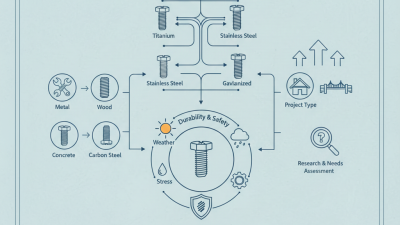
The finishing processes enhance durability and aesthetics. Common treatments include plating and coating. These protect against corrosion and wear. However, not all coatings are created equal. It’s vital to understand their suitability for different environments.
**Tips**: Research environmental factors that can affect fastener performance. This helps in selecting the right material and finish.
In some cases, inconsistencies in production can arise. Variations in material quality or manufacturing methods can lead to unreliable fasteners. It’s important to perform regular quality checks to mitigate these issues.
What is China Fasteners and How Are They Used in Industry?
| Type of Fastener |
Material |
Common Applications |
Industry Use |
| Bolt |
Carbon Steel |
Machinery, Construction |
Manufacturing, Heavy Industry |
| Nut |
Stainless Steel |
Automobiles, Electronics |
Automotive, Electronics |
| Screw |
Brass |
Furniture, Appliances |
Manufacturing, Retail |
| Washer |
Aluminum |
Piping, HVAC Systems |
Construction, HVAC |
| Rivet |
Steel |
Aerospace, Railways |
Aerospace, Transportation |
Quality Standards and Testing Methods for Fasteners
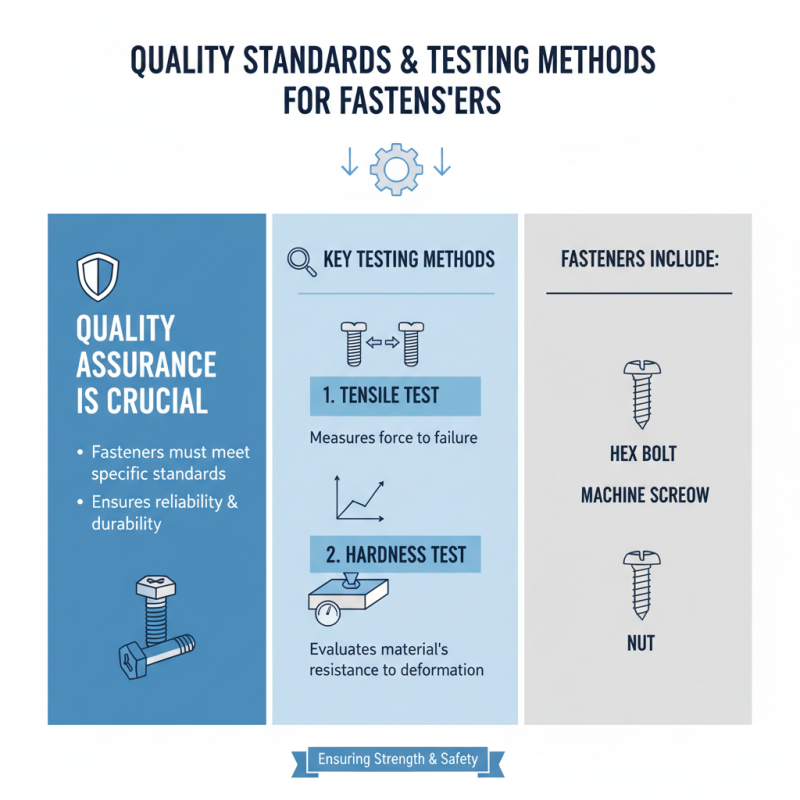
Quality assurance is crucial in the fastener industry. Fasteners, like bolts and screws, must meet specific standards to ensure reliability. Various testing methods validate their strength and durability. Tensile tests measure how much force a fastener can withstand before failing. Hardness tests evaluate the material's resistance to deformation.
In addition to strength tests, visual inspections are important. Inspectors look for surface flaws, such as rust or cracks. These issues can compromise the fastener's integrity. Manufacturers often implement regular audits to ensure consistent quality. Adhering to international standards is vital for market trust.
However, not all fasteners today meet expected quality benchmarks. Some producers may cut corners, leading to safety risks. It is essential for industries to partner with reputable suppliers. This promotes accountability and quality assurance. Failure to uphold standards can result in serious implications. A single faulty fastener can lead to catastrophic failures in applications. This highlights the need for ongoing improvement in inspection processes.





 Phone
Phone Send Email
 whatsapp
 Facebook
 Youtube