How to Choose the Right Fasteners for Your Projects?
When embarking on a new project, selecting the right fasteners can significantly impact the overall outcome. According to Susan Johnson, a renowned expert in the fasteners industry, “The right fasteners not only secure materials but also define project success.” Fasteners serve as the crucial link between various components, ensuring stability and durability.
However, choosing the right fasteners can be daunting. With numerous options available, it's easy to overlook important factors. Different materials may require specific fasteners for optimal results. For example, using steel fasteners with aluminum can lead to corrosion issues. It’s essential to consider the project’s environment and intended use.
Many people make mistakes by underestimating the importance of this choice. Fasteners are often seen as an afterthought, which can lead to project failures. Reflecting on your fastener choices can save time and money in the long run. Proper selection can enhance both the functionality and aesthetic appeal of your work. Take the time to research and understand which fasteners are best for your specific needs.
Types of Fasteners and Their Applications in Various Projects
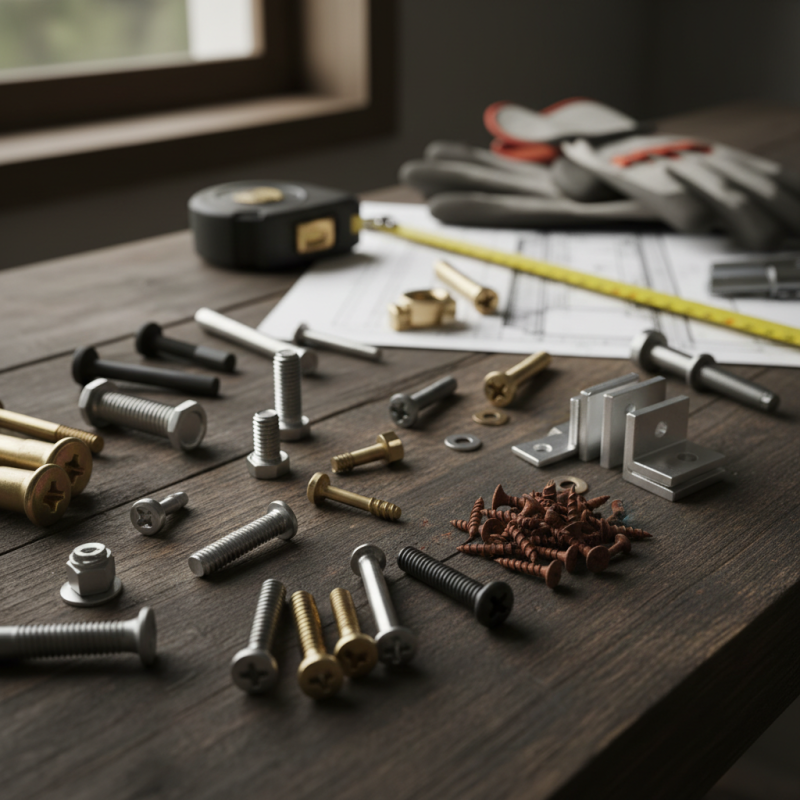
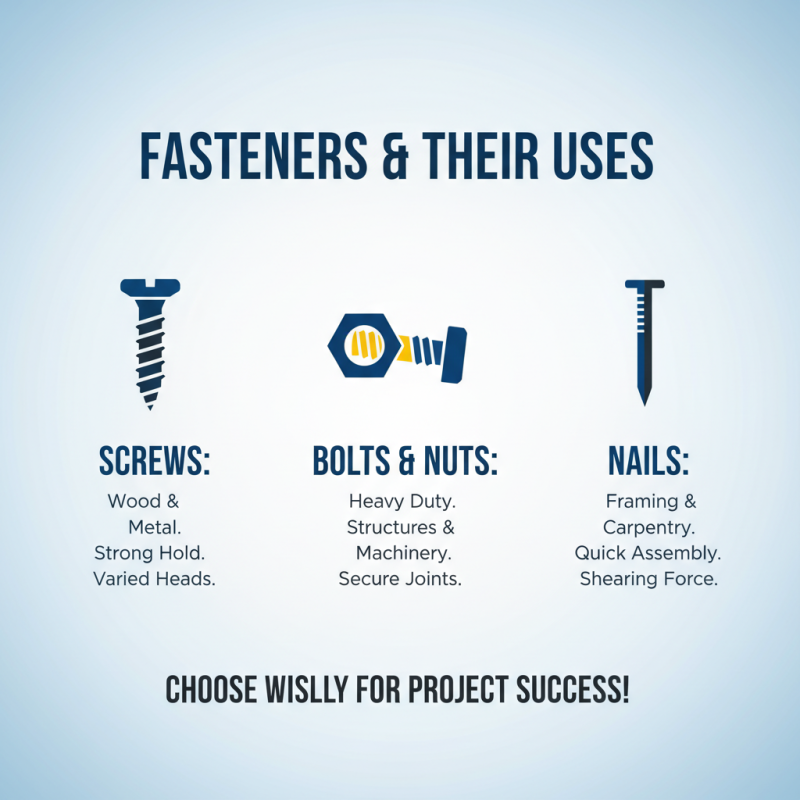
Choosing the right fasteners is crucial for any project. Various types of fasteners serve different purposes. Screws, for example, provide strong holding power for wood and metal applications. They come in various head shapes and lengths, which can affect their performance.
Nails are quick and efficient for framing, but they lack the strength of screws. They work well in applications where speed is essential. Bolts and nuts offer secure fastening in structural work. However, they require careful torque settings to avoid damage. Fasteners also vary in materials, impacting corrosion resistance. Stainless steel is ideal for outdoor projects, while plastic fasteners may suit lightweight indoor use.
Choosing improperly can lead to failures. It’s important to match the fastener type to the materials involved. Not all fasteners are visible once installed. It’s easy to overlook their importance in design and function. Understanding the specific requirements of your project will guide your selection process.
Factors to Consider When Selecting Fasteners for Your Project
When selecting fasteners for your projects, it’s crucial to consider several key factors.
Material is one of the most significant aspects.
Stainless steel offers corrosion resistance in outdoor settings, while carbon steel is stronger but less resistant to rust.
According to industry reports, over 70% of engineering failures relate to inappropriate fastener choices, highlighting the importance of material selection.
Next, consider the load requirements of your project.
Fasteners must handle the forces applied to them without failure.
A study by the American Society for Testing and Materials (ASTM) found that nearly 30% of fasteners fail due to inadequate load capacity.
This reflects how essential it is to match the fastener strength with the specific demands of your work.
Environmental conditions also play a critical role.
Fasteners exposed to moisture or extreme temperatures can corrode or lose strength over time.
In fact, approximately 40% of construction projects experience delays due to weather-related fastener failures.
This emphasizes the need for careful evaluation before making a selection.
Each project presents unique challenges that require thoughtful analysis.
Material Compatibility: Choosing Fasteners for Different Surfaces
Choosing the right fasteners involves understanding material compatibility. Different surfaces require suitable fasteners to ensure strength and longevity. For example, using stainless steel fasteners on aluminum surfaces can lead to galvanic corrosion, compromising the integrity of the assembly. A study by the Fastener Industry Coalition highlights that improper fastener choice can reduce structural reliability by up to 30%.
Wood, metal, and plastic each have unique properties that influence fastener selection. Wood requires screws with sharp points for easy penetration, while metal often needs bolts with high tensile strength. Plastic materials necessitate self-tapping screws designed to prevent cracking. Misalignment can occur if the wrong fasteners are used, causing issues long term.
Moreover, environmental factors also play a significant role in selecting fasteners. Fasteners used outdoors should be resistant to rust and corrosion. Choosing the wrong type can lead to inadequate performance. Industry reports indicate that nearly 25% of construction failures are attributed to fastener incompatibility. It's vital to weigh these factors carefully during selection.
Understanding Size and Strength Ratings for Fasteners
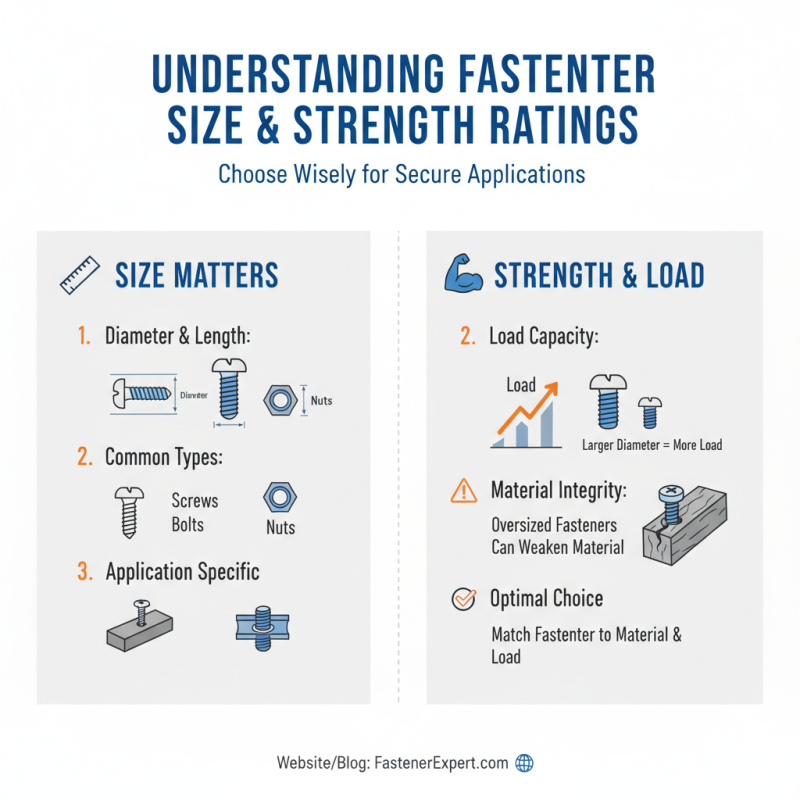
When choosing fasteners, understanding size and strength ratings is crucial. Size refers to the diameter and length of the fastener. Common options include screws, bolts, and nuts. Each has unique applications and strengths. For instance, larger diameters generally handle more load. However, opting for oversized fasteners can lead to complications. They might require larger holes that weaken the surrounding material.
Strength ratings, on the other hand, provide insight into a fastener's capability to withstand tension and shear forces. The tensile strength indicates how much pulling force a fastener can endure before failing. Meanwhile, shear strength tells you how much force it can resist when subjected to sideways pressure. Recognizing these metrics helps prevent under or over-engineering your projects.
Selecting the right fastener involves navigating these specifications. It’s easy to overlook details. Many realize too late that miscalculating the strength can compromise the entire structure. Always double-check specifications. This proactive approach enhances reliability and avoids costly mistakes. Ultimately, understanding these factors will guide better decisions for your projects.
Tips for Proper Installation and Maintenance of Fasteners
When it comes to fasteners, proper installation and maintenance are often overlooked yet critical to project success. According to the Fastener Industry Coalition, nearly 30% of fastener failures are due to improper installation. This highlights the importance of following correct procedures. Ensure that the fasteners are aligned properly before tightening. Misalignment can lead to strip threads or breakage, compromising the entire structure.
Regular maintenance is key in ensuring the longevity of fasteners. Environmental factors like moisture and temperature fluctuations can cause corrosion. A report from the National Association of Corrosion Engineers states that corrosion can reduce a fastener’s strength by up to 50% over time. Regular inspections are crucial. Look for signs of wear or corrosion and replace fasteners as necessary. Keeping a close watch can save both time and resources in the long run.
In many cases, best practices are not followed. Fasteners may be over-tightened, leading to fatigue cracks. Alternatively, under-tightening can result in loosening over time. Being aware of these pitfalls is essential. Pay attention to torque specifications provided in installation guides. They are there for a reason. Adhering to these guidelines not only enhances safety but also extends the lifespan of your project.





 Phone
Phone Send Email
 whatsapp
 Facebook
 Youtube