10 Essential Tips for Choosing the Right Nuts for Your Health?
Nuts are more than just a snack; they are nutritional powerhouses. Dr. Jane Smith, a renowned nutritionist, emphasizes, "Incorporating the right nuts into your diet can significantly boost your health." Understanding how to choose the right nuts is essential for maximizing their benefits.
Many people overlook the importance of variety when selecting nuts. Each type has unique health properties. For instance, almonds are known for their high vitamin E content, while walnuts provide omega-3 fatty acids. Yet, not everyone knows how to match nuts with their dietary needs.
It’s easy to feel overwhelmed by the choices available. The process of selecting nuts isn’t as straightforward as it seems. Often, people focus on taste rather than health benefits. This can lead to missed opportunities for better nutrition. Taking time to learn about the different types of nuts can make a significant difference in a person's overall well-being.
Understanding the Nutritional Benefits of Different Nuts
Nuts are a powerhouse of nutrients. They offer protein, healthy fats, and fiber. Each type of nut has unique benefits. For example, almonds are rich in vitamin E, which is great for skin health. Walnuts provide omega-3 fatty acids, supporting heart health. Knowing these nutritional profiles helps you choose wisely.
When selecting nuts, consider your specific health goals. If you're watching your weight, opt for lighter options like pistachios. Brazil nuts, while energy-dense, are rich in selenium, important for thyroid function. Remember that moderation is key. Eating too many nuts can lead to excessive calorie intake, which is a common pitfall.
Look for unsalted varieties to avoid added sodium. When possible, choose raw nuts to maximize nutritional benefits. However, not all nuts are created equal. Some may trigger allergies or digestive issues. Always listen to your body and adjust your choices accordingly. Making informed decisions will enhance your overall health.
Identifying Your Health Goals: What to Look For in Nuts
Choosing the right nuts involves clarity about your health goals. If you're aiming for heart health, consider almonds. Research indicates that they reduce LDL cholesterol by 10%. Walnuts, packed with omega-3s, are ideal for brain function and fighting inflammation. A study in the Journal of Nutrition highlights that just a handful of walnuts a day can significantly improve cognitive function.
If weight management is a goal, understand that not all nuts are equal. Brazil nuts are high in calories but also rich in selenium, which helps metabolism. Cashews, though lower in fat, can lead to overeating if portion sizes aren't controlled. The American Journal of Clinical Nutrition states that mindful eating of nuts can aid in weight loss when done correctly.
For those focusing on protein intake, peanuts and pistachios stand out. They offer substantial protein levels, contributing to muscle repair. However, the balance is crucial. Overconsumption can lead to excess caloric intake. Tracking portions while integrating nuts into your diet can ensure you meet your goals effectively.
Evaluating Allergies and Dietary Restrictions When Choosing Nuts
Choosing the right nuts for your health is not just about nutritional value. It requires careful consideration of allergies and dietary restrictions. Many people are allergic to specific nuts, such as peanuts or tree nuts. This can lead to severe reactions. Understanding your own allergies or those of loved ones is crucial. Always read labels carefully when purchasing nuts. Even cross-contamination can pose risks.
Dietary restrictions can further complicate nut choices. For instance, some individuals follow a vegan diet. Others may need to avoid nuts due to the ketogenic approach. It's essential to know which nuts fit your dietary needs. Many nuts are high in beneficial fats and protein. However, not all nuts are created equal. If you're unsure, consult a healthcare professional. They can provide valuable insights tailored to your situation.
Additionally, keep in mind that the way nuts are processed impacts their health benefits. Salted or roasted versions may not be as healthy as raw options. Consider the form of nuts you consume. Varieties like almond flour differ in health benefits compared to whole nuts. Reflecting on these details can improve your nut choices significantly.
The Role of Portion Control in Nut Consumption for Optimal Health
Nuts are nutritious, but moderation is key. They are calorie-dense and can lead to weight gain if consumed in excess. Understanding portion control is vital for harnessing their health benefits. A typical serving size of nuts is about a small handful, equivalent to 1 ounce. This amount provides essential fats, protein, and fiber without overwhelming your daily calorie needs.
Mindful eating practices can enhance your nut consumption experience. Try measuring out servings instead of eating straight from the bag. This simple step makes it easier to stay within healthy limits. Additionally, mixing different types of nuts can provide variety in taste and nutrients. Experimenting with flavors can also keep your diet interesting while supporting your health goals.
Listening to your body’s hunger signals is crucial. You might find that a smaller portion satisfies you more than you expect. Be aware of social settings where it’s easy to overdo it. Remember that just because nuts are healthy doesn’t mean you can consume them without thought. Reflecting on your eating habits can lead to better choices and a healthier relationship with food.
Exploring Sustainable and Ethical Sourcing of Nuts for Health Benefits
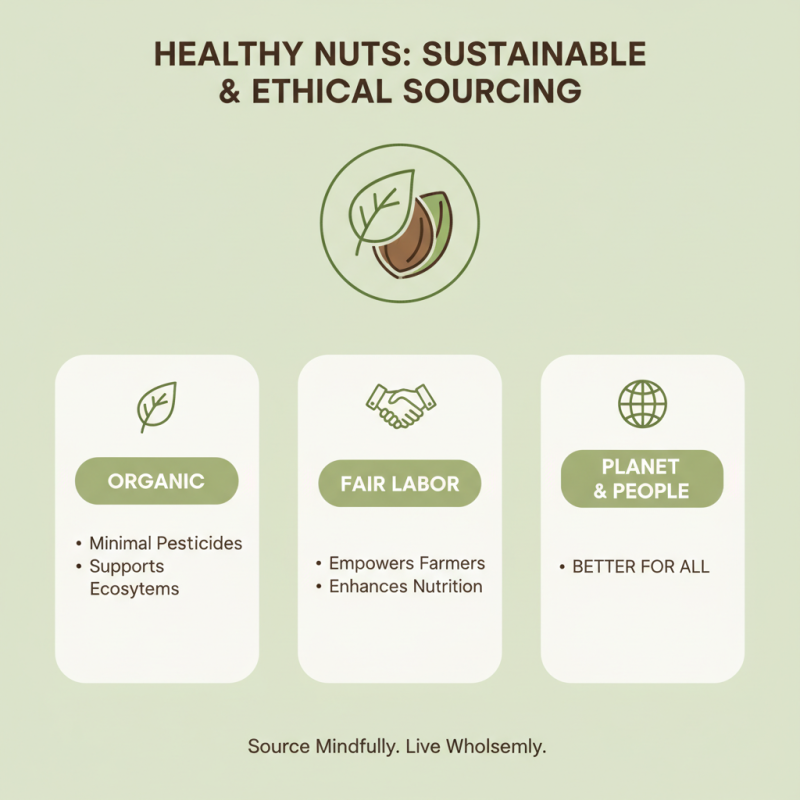
When selecting nuts for your health, consider their sourcing. Sustainable and ethical practices play a crucial role in the overall quality of nuts. Choosing organically sourced nuts ensures minimal pesticide exposure. This choice also supports farmers dedicated to conserving ecosystems. Look for nuts that come from farms with fair labor practices. This commitment not only helps the planet but also enhances the nutrition of the product.
Unfortunately, not all nuts are sourced ethically. Some suppliers may prioritize cost over sustainability. This raises concerns about environmental damage and workers' rights. Investigating brands helps uncover their sourcing methods. Certifications can guide your choices, but not all certifications carry equal weight. Transparency in sourcing is vital, but it can be difficult to find.
Supporting local farmers can make a difference. Local systems often have a smaller carbon footprint. They contribute to community well-being. However, local options may not always offer a variety of nuts. These challenges call for deeper reflection on our choices. By prioritizing ethical sourcing, we promote healthier lifestyles and a better world.








 Phone
Phone Send Email
 whatsapp
 Facebook
 Youtube