Why Are Nuts Essential for Global Procurement Success?
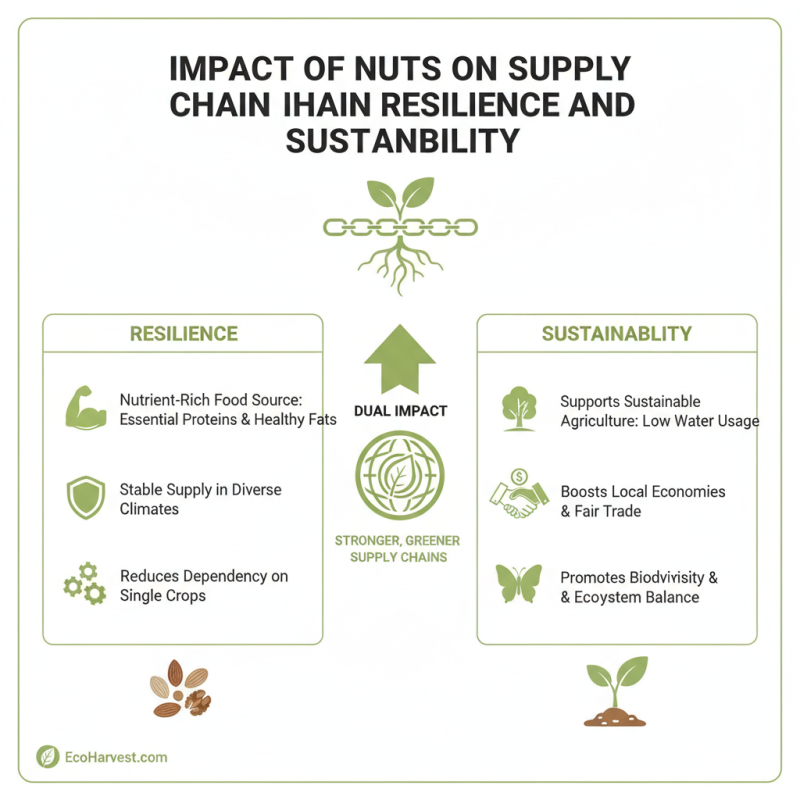
Nuts play a crucial role in global procurement success, connecting various markets and consumers worldwide. According to Dr. Emily Carter, a leading expert in the nuts industry, “Nuts are not just snacks; they are pivotal in supply chain strategies.” This statement highlights their importance beyond mere consumption.
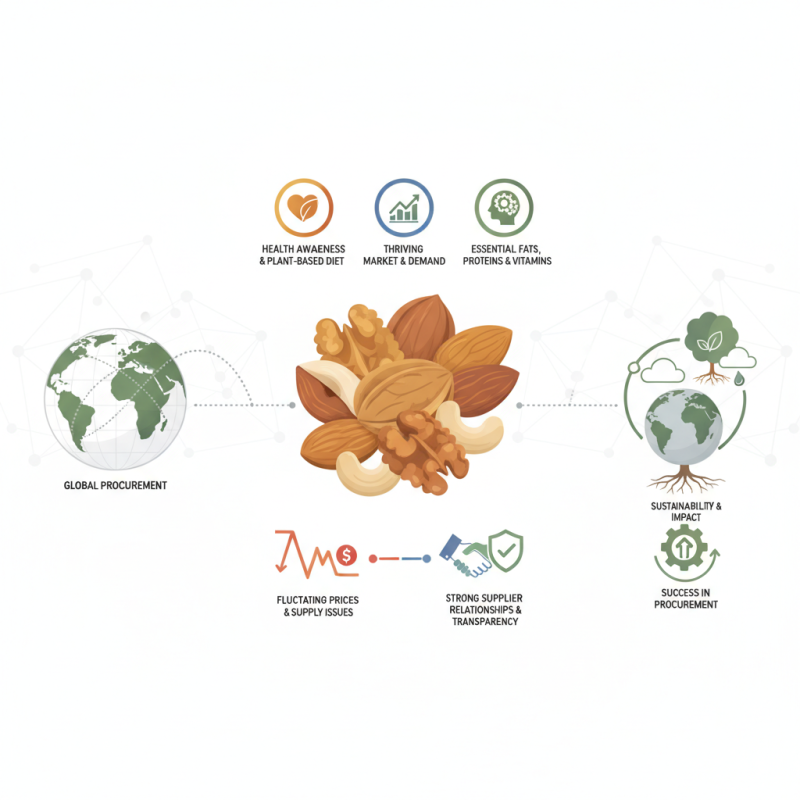
The global nuts market is thriving, driven by growing health awareness and demand for plant-based foods. Nut varieties, such as almonds, walnuts, and cashews, offer unique nutritional benefits. These benefits include essential fats, proteins, and vitamins, making nuts indispensable to a balanced diet. However, procuring these products poses challenges. Fluctuating prices and supply issues can disrupt stability.
Companies must navigate these complexities. Building strong relationships with suppliers is vital. Transparency in sourcing can enhance trust and reliability. The nuts industry is not without flaws. Issues like sustainability and environmental impact often arise. It's essential to address these concerns while striving for success in procurement.
The Nutritional Value of Nuts in Global Procurement Strategies
Nuts are not just tasty snacks; they play a crucial role in global procurement strategies. Their nutritional value is exceptional. Packed with proteins, healthy fats, and vitamins, they offer essential nutrients. These qualities make nuts a staple in various diets around the world. Including nuts in procurement strategies can enhance product offerings and meet consumer demands for healthier options.
Furthermore, nuts have a long shelf life, making them cost-effective for global supply chains. Their versatility is impressive. Nuts can be included in baked goods, salads, and even savory dishes. This adaptability attracts a wide range of consumers. However, sourcing nuts sustainably is essential. Over-exploitation can harm local ecosystems and communities. While profits are important, ethical considerations should not be overlooked.
The challenge lies in balancing cost, quality, and sustainability. Many processors aim for high standards, but not all succeed. This inconsistency can affect consumer trust. Companies need clear policies on sourcing practices. Communicating these efforts can establish credibility. Collaborating with local farmers can also ensure quality and support communities. Investing time in relationships leads to better procurement outcomes.
Nuts as a Key Commodity in International Trade Dynamics
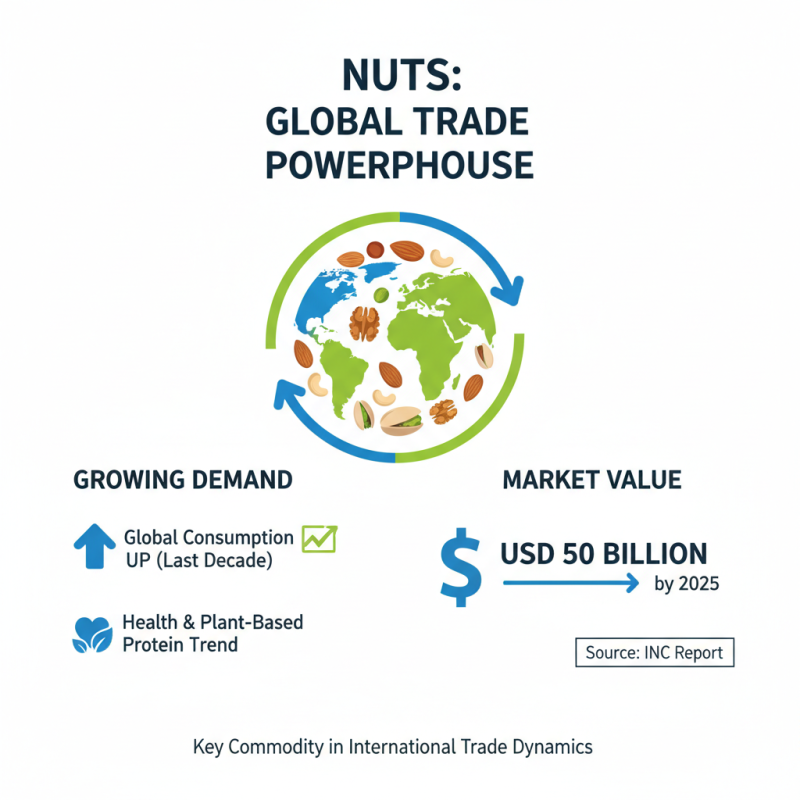
Nuts play a crucial role in international trade dynamics. Over the past decade, global nut consumption has surged. According to a report by the International Nut and Dried Fruit Council, the world's nut market is projected to reach USD 50 billion by 2025. This rapid growth is driven by health consciousness and demand for plant-based proteins.
Despite their importance, challenges exist. Supply chain disruptions, climate change, and fluctuating prices can impact availability. For instance, the price of almonds has varied significantly in recent years, influenced by droughts in key producing regions. Producers must adapt to these changes. Sustainability practices are now critical for long-term success.
Exporting regions, like California and Turkey, face competition from emerging markets. The need for quality assurance and stringent regulations complicates procurement. Yet, these challenges can spur innovation in farming and logistics. Identifying trustworthy suppliers and optimizing trade routes are essential for success. Adapting to the evolving market is vital for companies aiming to thrive in this sector.
Cultural Significance of Nuts in Global Markets
Nuts are more than just a healthy snack; they hold significant cultural value across various global markets. In many regions, nuts symbolize prosperity and hospitality. For instance, almonds are often featured in traditional Middle Eastern desserts during celebrations. They represent good fortune and are integral to festivities.
In Asian cultures, nuts frequently appear in rituals and ceremonies. Cashews and peanuts signify wealth and abundance, often gifted during Lunar New Year. This practice enhances not only personal relationships but also business connections, echoing the importance of trust in commerce. However, navigating these cultural nuances can be challenging for global procurement professionals. Misinterpreting the significance of a particular nut may lead to misunderstandings in negotiations.
Despite their positive symbolism, reliance on specific nuts can also raise ethical dilemmas. Sustainable sourcing practices must be considered to avoid depleting local resources. Communities that depend on nut farming risk losing their livelihoods if global demands shift. Thus, while nuts play a vital role in cultural context, it is essential to reflect on their broader impact. Balancing cultural appreciation with ethical responsibility creates a more sustainable path for global procurement.
Global Nut Consumption by Region (2022)
Strategies for Sourcing Nuts Efficiently in Global Procurement
Sourcing nuts efficiently is crucial for global procurement. It requires a deep understanding of regional markets. Each nut type has its own sourcing challenges. For example, almonds are predominantly grown in California, while cashews come mainly from tropical regions. These geographical specifics affect availability and pricing.
Establishing strong relationships with suppliers is vital. Engaging directly with local producers can yield better prices and quality. However, reliance on a single source can be risky. Diversifying suppliers can mitigate the impact of supply disruptions, which can occur due to climate events or political issues.
Technology plays an essential role in effective sourcing. Digital tools can streamline processes, from tracking shipments to analyzing market trends. Yet, not all suppliers may have access to advanced technology. This gap can lead to inefficiencies. Continuous evaluation of sourcing strategies is necessary. Regularly revisiting supplier performance can reveal opportunities for improvement.
Why Are Nuts Essential for Global Procurement Success? - Strategies for Sourcing Nuts Efficiently in Global Procurement
| Nuts Type |
Nutritional Value (per 100g) |
Sourcing Regions |
Average Global Price (USD) |
Sustainability Certifications |
| Almonds |
579 kcal, 21.15g protein, 49.93g fat |
USA, Spain, Australia |
$10.50 |
Organic, Fair Trade |
| Walnuts |
654 kcal, 15.23g protein, 65.21g fat |
USA, China, Turkey |
$8.00 |
Organic |
| Cashews |
553 kcal, 18.22g protein, 43.85g fat |
Vietnam, India, Nigeria |
$9.20 |
Fair Trade |
| Pistachios |
562 kcal, 20.27g protein, 45.32g fat |
USA, Iran, Turkey |
$12.00 |
Organic, Non-GMO |






 Phone
Phone Send Email
 whatsapp
 Facebook
 Youtube