Top Bolts for Global Sourcing What You Need to Know
In the world of manufacturing, understanding the intricacies of sourcing bolts is crucial. As Andrew Roberts, a renowned expert in fasteners, once said, "Choosing the right bolts can make or break your project." This statement highlights the importance of selecting high-quality materials in any assembly process. With the global market expanding, sourcing bolts has become more complex and competitive.
Companies are facing challenges in quality control, supply chain management, and compliance with international standards. Each bolt may seem minor, yet it plays a significant role in overall structural integrity. Improper sourcing can lead to supply disruptions and increased costs. The current environment requires a keen eye for detail and a thorough understanding of local and global suppliers.
Amidst the myriad of options, it’s essential to recognize the potential shortcomings in current sourcing strategies. Many businesses overlook the need for reliable partnerships. Investing time in researching suppliers can prevent costly mistakes. Without thorough knowledge, firms risk using subpar bolts that jeopardize their projects. The journey toward effective global sourcing starts with informed choices and robust relationships.

Understanding Global Sourcing in the Fastener Industry
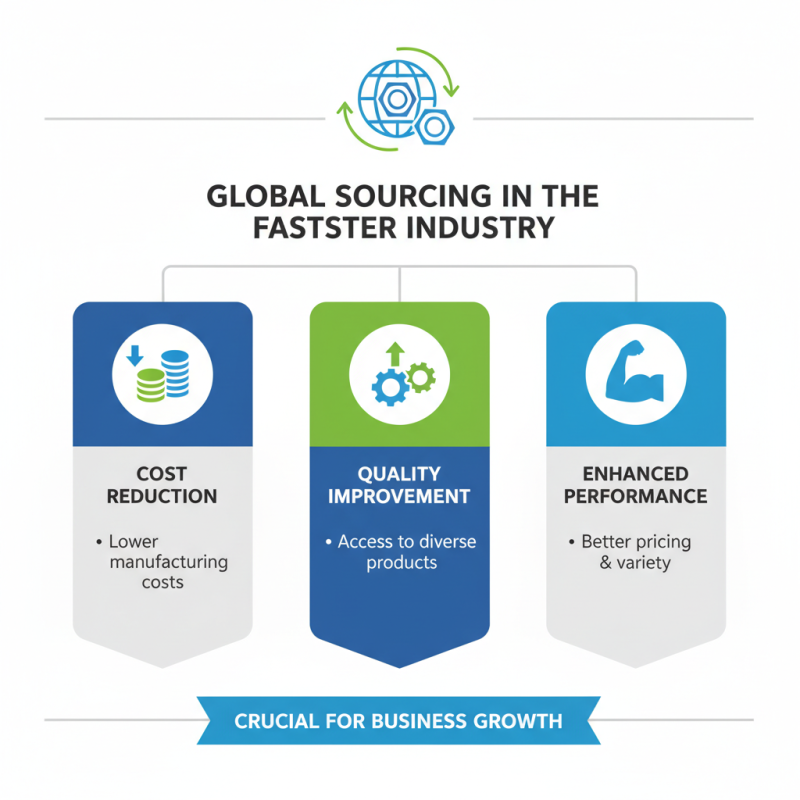
Understanding global sourcing in the fastener industry is crucial for businesses today. Companies are increasingly looking for ways to reduce costs and improve quality. Sourcing fasteners globally can provide access to a wider range of products. This can lead to better pricing and enhanced performance.
However, there are challenges to consider. Communication barriers may arise, especially when dealing with suppliers from different cultures. Time zone differences can lead to delays in decision-making and production. Maintaining consistent quality control becomes tricky when sourcing from multiple regions. It's vital to build strong relationships with suppliers to mitigate these issues.
Moreover, understanding local regulations is key in global sourcing. Different countries have various standards for fasteners, which can impact compliance. It's essential for companies to stay informed about these regulations. Failure to do so can result in costly mistakes. Reflecting on these challenges can help companies better prepare for the complexities of global sourcing.
Key Factors to Consider When Sourcing Bolts Globally
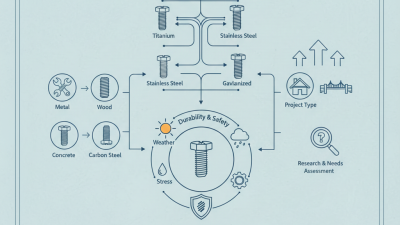
Sourcing bolts globally requires careful consideration of various factors to ensure quality and reliability. One of the most crucial aspects is understanding material specifications. Different applications demand specific materials, such as stainless steel or carbon steel. Knowing the grade and strengths can help you avoid unexpected failures.
When evaluating suppliers, communication is key. Not all manufacturers speak the same technical language. Misunderstandings can lead to costly errors. It’s essential to establish a clear and direct line of communication. This fosters collaboration and clarity on expectations.
**Tip:** Always request samples before bulk ordering. This helps you assess the quality and suitability of the bolts for your needs.
Additionally, consider the supplier's certifications and quality control processes. Reliable certifications indicate adherence to industry standards. Check for compliance with international safety regulations. This can significantly reduce risks in the supply chain.
**Tip:** Conduct regular audits of your suppliers. This helps ensure they maintain consistent quality over time.
Lastly, think about logistics and shipping. Excessive shipping times can delay projects. Choosing suppliers located closer to your operation can mitigate this issue, but may limit options. Striking a balance between cost, quality, and delivery time is essential.
Top Bolts for Global Sourcing - Key Factors to Consider When Sourcing Bolts Globally
| Bolt Type |
Material |
Diameter (mm) |
Length (mm) |
Strength Grade |
Finish Type |
| Hex Bolt |
Carbon Steel |
10 |
50 |
8.8 |
Zinc Plated |
| Carriage Bolt |
Stainless Steel |
12 |
70 |
A2-70 |
Plain |
| Lag Bolt |
Alloy Steel |
16 |
100 |
6.0 |
Hot-Dip Galvanized |
| Shoulder Bolt |
Brass |
8 |
30 |
B8 |
Nickel Plated |
| Eye Bolt |
Carbon Steel |
10 |
60 |
8.8 |
Powder Coated |
Top Countries for Bolt Manufacturing and Sourcing
When it comes to bolt manufacturing, several key countries stand out in the global sourcing landscape. The United States has a robust industry, known for its strict quality standards and advanced technology. Firms often prioritize reliability in their supply chains.
China's manufacturing capabilities are extensive, offering competitive pricing and flexibility in production. However, quality can vary significantly among suppliers, requiring due diligence.
Germany is renowned for its precision engineering. Here, manufacturers focus on producing high-quality fasteners, meeting stringent European Union regulations. This commitment to excellence translates into a reputation for durability and performance.
India is garnering attention as a rising player. Its growing infrastructure and skilled workforce provide opportunities for local and international partnerships.
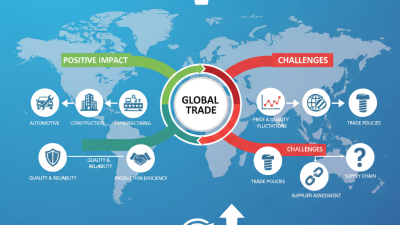
Despite the advantages, sourcing bolts from these countries isn't without challenges. Language barriers and cultural differences can complicate negotiations. Additionally, fluctuating tariffs and trade policies impact costs. Companies must remain vigilant to changes in the global market and the potential for supply chain disruptions. It's crucial to invest time in building relationships with suppliers to ensure quality and reliability.
Quality Standards and Certifications for Global Fasteners
When sourcing fasteners globally, understanding quality standards is crucial. Different regions have varied certifications. These certifications ensure that products meet specific safety and performance criteria. For instance, ISO certifications are prevalent. They indicate that a manufacturer follows recognized quality management principles. Buyers should be aware of these standards to avoid subpar products.
It's important to remember that not all manufacturers carry relevant certifications. Some may claim compliance without proper documentation. Relying solely on words can lead to costly mistakes. Always request proof of certification before making bulk purchases. Additionally, consider the source materials used in the fasteners. Low-quality steel can undermine even the best certifications. Testing samples can provide a clearer picture of what is being offered.
Ultimately, navigating global sourcing for fasteners requires diligence. Regularly update your knowledge of evolving standards. Engage with experts who understand the nuances of the industry. Building a reliable supplier network is essential. Not all suppliers will meet your expectations. Continuous improvement in the evaluation process can lead to better sourcing decisions.
Cost-Benefit Analysis of Global vs. Local Bolt Sourcing
When considering bolt sourcing, a cost-benefit analysis reveals significant differences between global and local options. A 2022 report by the Global Fasteners Alliance indicated that 70% of manufacturers faced rising local production costs. These costs can limit profitability, prompting them to explore international suppliers. Prices for bolts sourced globally may be lower, yet hidden expenses, such as shipping and tariffs, can complicate savings.
Local sourcing offers advantages, such as faster delivery times. A study by the Institute for Supply Management found that local sourcing can reduce lead times by 30%. This agility is critical for companies needing to adapt quickly to market demands. However, local suppliers may lack the variety or volume that larger global suppliers provide, which can affect project timelines.
Quality control is another area for reflection. While global suppliers may offer competitive rates, their quality can vary. A survey reported that 40% of companies experienced quality issues with imported fasteners. These circumstances emphasize the need for thorough evaluation. Making a decision requires weighing the benefits of lower costs against the potential risks of delays or poor quality. Each choice has trade-offs that must be thoughtfully considered.






 Phone
Phone Send Email
 whatsapp
 Facebook
 Youtube