How to Choose Custom Fasteners for Your Projects?
Choosing the right Custom Fasteners is vital for the success of any project. According to the Fastener Industry Report 2022, the demand for custom solutions is growing, with a market expansion rate of 7% annually. This surge highlights the importance of selecting fasteners that meet specific project needs.
Industry expert Dr. Emily Roberts, a recognized figure in fastener technology, emphasizes the significance of customization. She says, "Custom Fasteners enhance functionality and efficiency in projects, driving innovation." When choosing fasteners, considerations include material, design, and application. Understanding the project requirements can significantly affect both durability and performance.
Many users overlook the importance of precision in fastener selection. Poor choices can lead to project delays or failures. It's essential to evaluate the technical specifications thoroughly. This decision-making process is not always straightforward, requiring careful thought and reflection. Custom Fasteners play a pivotal role in the overall success of engineering and construction endeavors.
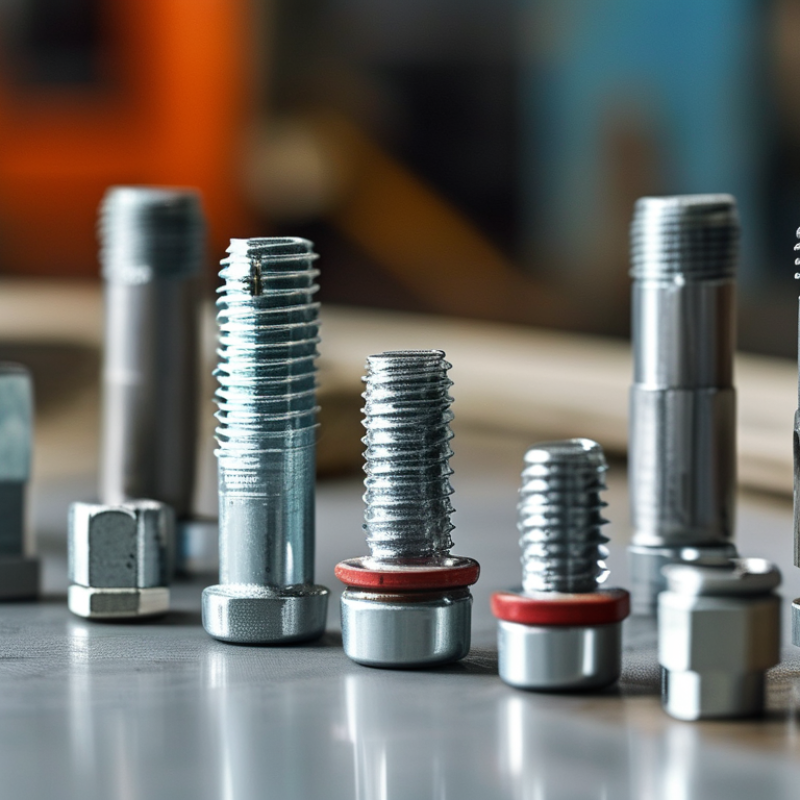
Factors to Consider When Selecting Custom Fasteners for Your Project
When selecting custom fasteners for your projects, several factors are crucial to consider. The material of the fastener plays a key role. Steel, aluminum, and plastics all have unique properties that affect performance. For instance, steel offers high strength, while aluminum is lightweight and resistant to corrosion. Think about the environment where your fastener will be used. If it's exposed to moisture, you might need a corrosion-resistant option like stainless steel.
Another important aspect is the size and thread specifications. A mismatch here can lead to installation issues. Ensure the dimensions fit perfectly with your components. Fasteners too small may strip or break, while those too large could damage the material. It's essential to measure accurately and double-check your specifications before placing an order.
Tips: Always consult with a fastener specialist for guidance. They can provide valuable insights based on your project requirements. Also, keep in mind the impact of cost on your choices. While it may be tempting to choose cheaper options, quality should never be sacrificed. A poor fastener can lead to project delays and additional costs in the long run.
Revisit your choices regularly. Designs evolve, and so do performance standards. Ensuring your fasteners match current project needs goes a long way in maintaining quality. Remember, the right fasteners can significantly impact overall project success.
Understanding Different Types of Custom Fasteners Available
Custom fasteners play a crucial role in the success of many projects. Understanding the various types available helps in making informed choices. For instance, bolts, screws, and rivets are among the most common custom fasteners. Each serves unique purposes. According to a recent market report by Industry Research, the global fasteners market is expected to reach $110 billion by 2027, indicating significant growth and demand.
Bolts are typically used in structural applications where high strength is necessary. They offer reliable stability. Screws, on the other hand, excel in lighter applications. They provide strong holding power with ease of installation. Rivets are ideal for permanent joints. They create sturdy connections that resist vibration and shock. Each type has its specific advantages and limitations, which should be weighed carefully.
A common mistake is overlooking material selection. Fastener material impacts durability and compatibility with project elements. For instance, stainless steel offers resistance to corrosion but may be more expensive. Aluminum fasteners are lightweight but weaker. Choosing wisely prevents failures and saves costs in the long run. Exploring options ensures effective results, but it is essential to revisit past decisions for continuous improvement.
How to Choose Custom Fasteners for Your Projects?
| Type of Fastener |
Material |
Common Uses |
Advantages |
Considerations |
| Bolts |
Steel |
Construction, Machinery |
High strength, Versatile |
Need nuts and washers |
| Screws |
Stainless Steel |
Wood, Metal, Plastic |
Easy to install, Various types |
May strip or break |
| Nails |
Galvanized Steel |
Construction, Carpentry |
Fast and economical |
Limited holding power |
| Washers |
Copper, Plastic |
Used with bolts and screws |
Distributes load evenly |
Material can corrode |
| Rivets |
Aluminum |
Aerospace, Automotive |
Permanent, Strong joints |
Difficult to remove |
Material Selection for Custom Fasteners: What to Know
Choosing the right materials for custom fasteners is crucial for project success. The selection process isn't just a matter of preference; it directly impacts durability and performance. According to industry reports, stainless steel and carbon steel account for over 70% of fastener usage due to their strength and corrosion resistance. However, materials like aluminum and plastics are gaining traction, especially in lightweight applications.
When selecting materials, consider the environment where the fasteners will be used. Factors like temperature, humidity, and exposure to chemicals can affect performance. For instance, high temperatures may weaken certain plastics. Conversely, stainless steel excels in corrosive environments due to its resistance to rust.
Tip: Always request detailed specifications from manufacturers. Also, check material certifications to ensure quality standards are met.
Another consideration is the fastener’s load-bearing capacity. Data indicates that improperly selected materials lead to failures in 30% of projects. It’s essential to balance strength with other factors, such as weight and cost.
Tip: Prototype with different materials before finalizing your choice. This helps identify potential issues early. By making informed decisions, you can enhance both the safety and efficiency of your projects.
Material Selection for Custom Fasteners: Key Properties
Design Specifications: Tailoring Fasteners to Meet Project Needs
Designing custom fasteners requires attention to specific project needs. Begin by assessing the materials used in your application. High-strength steel is often necessary for heavy machinery. In contrast, lighter materials like aluminum may suit electronic devices. The choice of material will significantly affect durability and performance.
Next, consider dimensions and thread types. Fasteners should fit precisely to ensure stability and safety. Metric and imperial threads serve different markets. Too loose a fit may lead to failures, while too tight can cause material damage. It’s important to test prototypes to identify potential issues early in the process.
Another crucial aspect is the surface finish. This can impact corrosion resistance and overall aesthetics. Powder coating might be suitable for outdoor equipment, while polished surfaces can enhance the appeal of visible fasteners. Reflecting on past projects can reveal what worked and what didn't. Understanding these specifications fosters better decision-making for future endeavors.
Cost Analysis: Balancing Quality and Budget for Custom Fasteners
When considering custom fasteners for any project, cost analysis is crucial. You aim to balance quality and budget effectively.
The materials you select impact both durability and expense. For instance, stainless steel fasteners may be more expensive than carbon steel. However, they offer superior resistance to corrosion. This can save money in the long run by reducing replacement costs.
Evaluate your project’s specific requirements. Do you need high-strength fasteners for heavy machinery? Or, simple fasteners for light applications? Understanding these needs helps refine your choices. Keep in mind that choosing cheaper options might seem appealing. Yet, they can lead to more failures and increased maintenance costs over time.
Consider sourcing materials locally. While international options can save money, shipping and import taxes add to expenses.
Also, think about the long-term implications of your choice. Fasteners that fail too soon can delay projects and increase labor costs. Reflecting on past experiences can guide better decision-making for the future. Quality shouldn't be sacrificed for budget constraints; finding the right balance is key.




 Phone
Phone Send Email
 whatsapp
 Facebook
 Youtube