2026 How to Choose the Best Nuts for Your Health and Diet?
Nuts are a popular choice for a healthy diet. They pack a powerful nutritional punch and offer various health benefits. Choosing the right nuts can enhance your overall well-being. With so many options, it might seem overwhelming. Almonds, walnuts, and pistachios are just a few examples. Each type of nut has unique properties. They provide healthy fats, protein, and essential vitamins.
Understanding the nutritional value of nuts is crucial for your health. Some nuts are better for heart health, while others aid in weight management. For instance, walnuts are rich in omega-3 fatty acids. Almonds may help with blood sugar control. It’s important to reflect on your dietary needs. While nuts are nutritious, moderation is key. Overeating can lead to excessive calorie intake.
Explore your options and experiment with different types. You might discover new favorites that fit your lifestyle. Learning how to incorporate nuts into your diet can be rewarding. They can be added to salads, smoothies, or enjoyed as snacks. Ultimately, your choices will impact your health journey. Remember, the perfect nut is the one that suits your personal goals.

Benefits of Nuts for Health and Nutrition
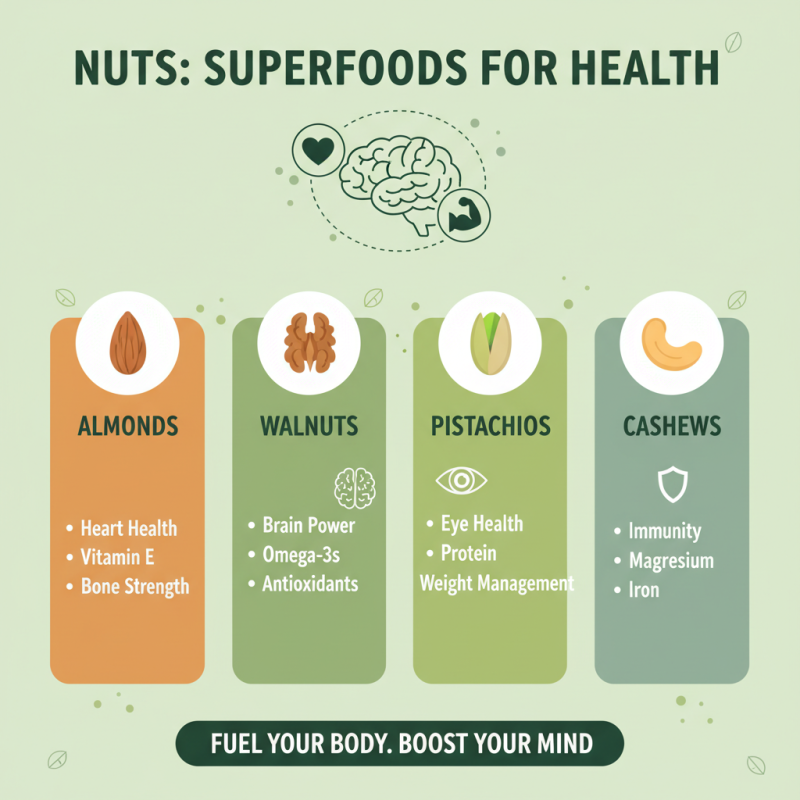
Nuts are often labeled as superfoods, and for good reason. They are packed with essential nutrients that can enhance your health. Almonds, walnuts, pistachios, and cashews each offer unique benefits. For instance, walnuts are rich in omega-3 fatty acids, which are vital for brain health.
Incorporating nuts into your diet can support heart health. Studies show that regular nut consumption can lower cholesterol levels. This heart-friendly benefit is largely due to their healthy fat content. Nuts also provide protein, making them a great addition for vegetarians. They can help manage hunger and curb cravings, which is important for weight control.
However, not all nuts fit every diet. Some individuals may experience allergies. Others might find nuts high in calories, which can lead to weight gain if consumed in excess. It’s crucial to measure portions and consider overall dietary needs. Despite their benefits, nuts should not be the only source of nutrition. Balancing them with other food groups is key for optimal health.
Types of Nuts and Their Nutritional Profiles
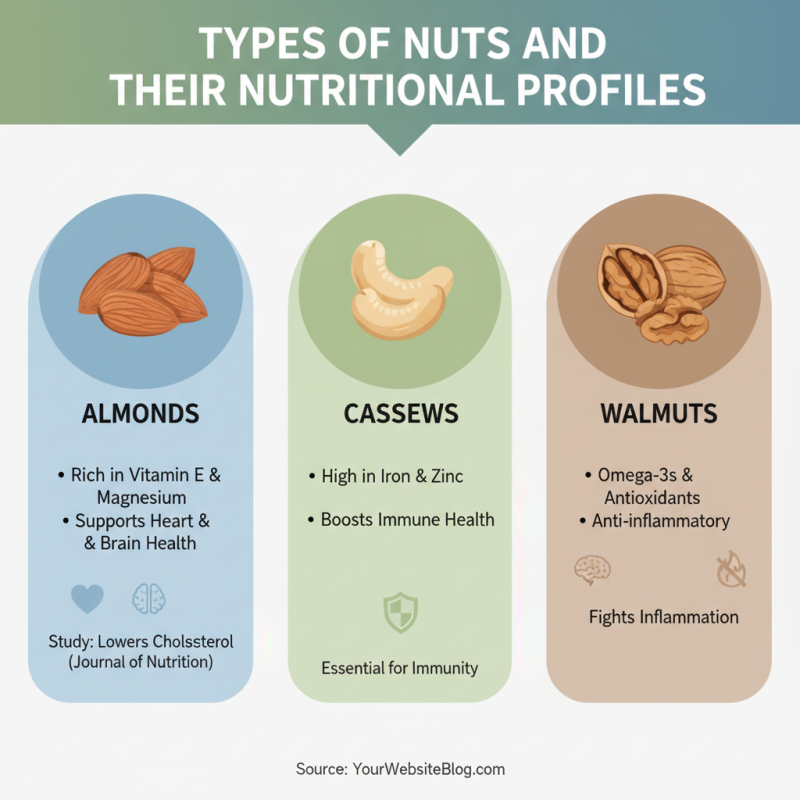
When choosing nuts for health, understanding their nutritional profiles is crucial. Almonds, for instance, are rich in vitamin E and magnesium. These nutrients support heart health and brain function. A study published in the Journal of Nutrition shows that regular almond consumption can lower cholesterol levels. Cashews are high in iron and zinc, making them essential for immune health.
Walnuts stand out for their omega-3 fatty acid content. Omega-3s are known for their anti-inflammatory properties. Research indicates that walnuts can reduce the risk of heart disease. On the other hand, peanuts, technically legumes, provide a good source of protein and fiber, helping in weight management.
**Tip:** Incorporate a variety of nuts into your diet to benefit from their unique properties.
Remember, moderation is key. Nuts are high in calories. Overeating can lead to unwanted weight gain. Aim for a handful a day.
**Tip:** Keep nuts handy for healthy snacking.
Choosing the right nuts can positively impact your diet. Assess your nutritional needs and preferences to make informed choices.
Factors to Consider When Choosing Nuts
Selecting the right nuts for your diet requires careful consideration of several factors. Nutrient density is the first aspect to examine. Nuts are rich in healthy fats, protein, fiber, vitamins, and minerals. For instance, almonds contain about 23 grams of protein and 12 grams of fiber per 100 grams. According to the USDA, they are an excellent source of vitamin E, which is crucial for maintaining healthy skin and eyes.
Another important factor is allergenicity. Tree nuts, such as walnuts and cashews, can cause severe allergic reactions in some individuals. Data from the American College of Allergy, Asthma, and Immunology indicate that approximately 1.2% of the U.S. population has tree nut allergies. Therefore, personal health history should guide your nut choices.
Consider your health goals as well. If you're focusing on heart health, walnuts are particularly beneficial due to their high omega-3 content. However, if you're watching your calorie intake, remember that nuts are calorie-dense. A handful of mixed nuts can contain over 200 calories.
Tips: Try to include a variety of nuts in your diet. Each nut offers a unique blend of nutrients. Be mindful of portion sizes to balance enjoyment and nutrition. Also, buying raw and unprocessed nuts can help maximize their health benefits.
Portion Control: How Much Nuts to Include in Your Diet
When it comes to portion control, many people overlook an important aspect of snacking. Nuts are nutritious, but they are also calorie-dense. A small handful, about 28 grams or roughly 1 ounce, is often a good serving size. This amount can provide healthy fats and protein without leading to excess calorie intake.
Overindulging in nuts can quickly add up. It’s easy to consume two or three servings in one sitting. Doing this regularly may lead to unintended weight gain. Being mindful of portion sizes helps ensure that nuts remain a beneficial part of your diet. Consider using portion control containers or measuring out snacks ahead of time.
Remember, the variety matters as well. Different nuts offer various nutrients and benefits. Almonds, for instance, are high in vitamin E. Walnuts contain omega-3 fatty acids. Offering variety helps maintain interest in your diet. However, it's essential to remain aware of how much you're consuming. This conscious eating habit promotes better health outcomes while allowing you to enjoy the benefits of nuts.
2026 How to Choose the Best Nuts for Your Health and Diet?
| Nut Type |
Calories (per 1 oz) |
Protein (g) |
Healthy Fats (g) |
Fiber (g) |
Recommended Serving Size (oz) |
| Almonds |
164 |
6 |
14 |
3.5 |
1.5 |
| Walnuts |
185 |
4.3 |
18.5 |
1.9 |
1.0 |
| Cashews |
157 |
5.2 |
12.4 |
0.9 |
1.0 |
| Pistachios |
159 |
5.8 |
12.5 |
3.0 |
1.5 |
| Hazelnuts |
178 |
4.2 |
17 |
2.7 |
1.0 |
Potential Allergies and Health Risks Associated with Nuts
Nuts are known for their health benefits, but potential allergies can be a concern for many individuals. Allergic reactions to nuts can range from mild rashes to severe anaphylactic shocks. These reactions often occur within minutes of consumption. Understanding these risks is crucial for anyone incorporating nuts into their diet.
Certain nuts, such as peanuts and tree nuts, are the most common allergens. Symptoms include itching, swelling, and difficulty breathing. It’s essential to know your own body's responses. Family history can also play a role. If allergies run in your family, you might need to exercise caution. Consulting with a healthcare provider is a wise move for safe dietary choices.
Considering health risks is important when selecting nuts. Some people experience oral allergy syndrome, resulting in itching or swelling in the mouth. This can be mistaken for a nut allergy. It’s also vital to be aware of cross-contamination. Nuts processed in the same facilities as allergens can pose risks. Always read labels and ask questions. Balancing health benefits with potential allergies helps in making informed choices.
2026 How to Choose the Best Nuts for Your Health and Diet?
This chart illustrates the caloric content of different types of nuts per 100 grams. Understanding these nutritional values can help you make informed choices when including nuts in your diet while being mindful of potential allergies and health risks.








 Phone
Phone Send Email
 whatsapp
 Facebook
 Youtube