How to Choose the Right Fastener Manufacturer for Your Project?
Choosing the right fastener manufacturer is essential for project success. In the fastener industry, the global market is projected to reach $105.6 billion by 2025. This growth underscores the importance of selecting a reliable supplier who understands your specific needs. A good fastener manufacturer should offer a variety of products, ensuring they meet industry standards and quality requirements.
When evaluating potential manufacturers, consider their experience and expertise. Manufacturers with a proven track record often prioritize quality control and adherence to specifications. According to experts, 75% of project delays stem from inadequate supply chains. Thus, a competent supplier can significantly reduce risks.
It's also crucial to ensure that the fastener manufacturer provides comprehensive support. This includes technical assistance and timely delivery. Without these, even the best designs can falter. Remember, not every manufacturer will align with your quality expectations. Careful selection can lead to better outcomes and improved project timelines.
Understanding Different Types of Fasteners and Their Applications
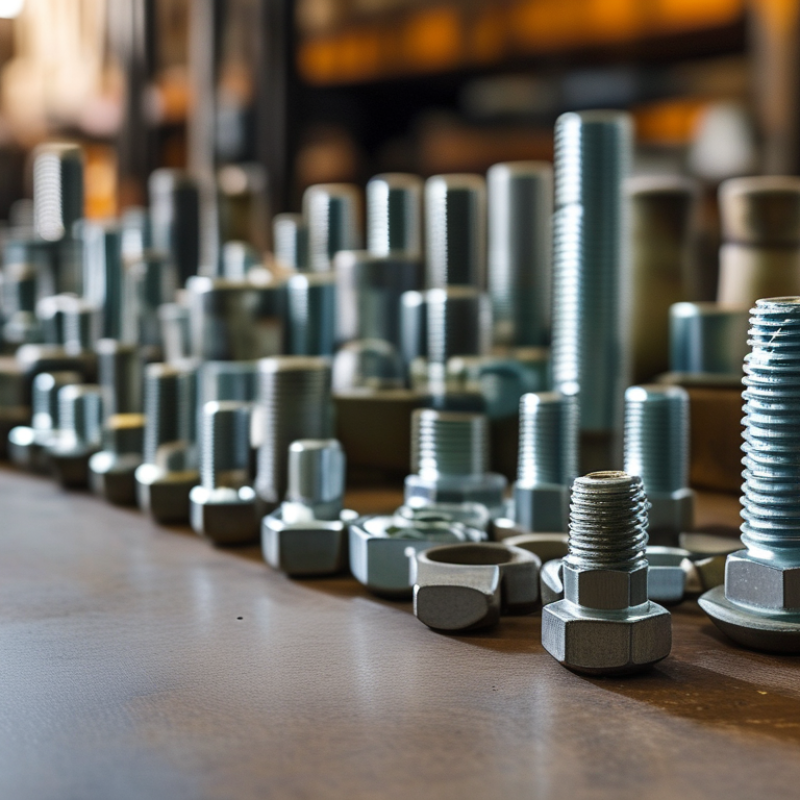
Choosing the right fastener involves understanding various types and their specific applications. Fasteners are critical in numerous industries, ranging from construction to manufacturing. According to a recent industry report, approximately 70% of all mechanical assemblies use some form of fastener. This highlights their importance in ensuring structural integrity and performance.
There are several types of fasteners, including bolts, nuts, screws, and rivets. Each has unique properties and uses. For example, bolts are ideal for heavy-duty applications, while screws work well for lighter loads. Rivets are often used in aerospace and automotive industries due to their strength and reliability. The mechanical properties of these fasteners can significantly impact project outcomes, as a mismatch can lead to safety risks and increased costs.
Despite their apparent simplicity, choosing the right fastener is not straightforward. Quality variations exist across manufacturers. A low-cost fastener may seem appealing but could lead to premature failure. Research indicates that around 15% of fastener failures occur due to improper selection or installation. Confusion about specifications can also arise, making it essential to consult reliable sources or experts when making decisions. This complexity necessitates a careful approach to ensure optimal outcomes for any project.
Identifying Key Factors in Choosing a Fastener Manufacturer
Choosing the right fastener manufacturer involves careful consideration of several key factors. One of the most important aspects is the manufacturer's experience in the industry. A company with years of expertise often produces more reliable fasteners. They usually understand the complexities of different materials and applications.
Quality control is another crucial element. Manufacturers should adhere to strict quality standards. This ensures that every product meets safety and durability requirements. Reviewing customer testimonials can provide insights into their track record. Pay attention to any recurring issues mentioned.
It’s also vital to evaluate the range of fasteners offered. Some manufacturers may specialize in specific types, limiting your options. A broad product line indicates versatility and preparedness to meet diverse project needs. Don't rush this process; a hasty decision could lead to future complications in your project. Consider if the manufacturer can accommodate custom orders. This flexibility is often a sign of a manufacturer's commitment to client satisfaction.
Evaluating the Quality Standards and Certifications of Manufacturers
When selecting a fastener manufacturer, quality standards and certifications are crucial. According to a recent report by the International Fastener Distributors Association, about 70% of manufacturing defects are linked to poor quality materials. Therefore, manufacturers should adhere to industry certifications such as ISO 9001 and ASTM standards. These certifications help ensure that products are produced consistently and meet specified safety and quality benchmarks.
Moreover, manufacturers should provide transparent documentation of their quality control processes. Engaging with a manufacturer that has third-party validation is essential. A supplier with a documented history of compliance helps mitigate risks related to sub-standard products. It's worth noting that a significant percentage of fasteners fail tests due to improper material usage. This often results in delays, increased costs, and damaged reputations. Before committing, ensure the manufacturer can demonstrate their quality assurance strategies effectively.
Choosing a manufacturer based solely on price can be misleading. Lower costs might indicate inadequate quality control practices. In the fastener industry, a compromised product can lead to catastrophic failures. Thus, evaluating quality standards may be the most critical aspect of decision-making. Always prioritize sound practices over mere affordability in your selection process.
Fastener Manufacturer Quality Standards Comparison
Assessing Manufacturing Capabilities and Production Techniques
When choosing a fastener manufacturer, evaluating their manufacturing capabilities is crucial. A reliable manufacturer should have a robust production setup. This includes advanced machinery and skilled personnel. You can assess their capacity by asking about their production volume and lead times. Understanding these factors can help ensure they meet your project deadlines.
Production techniques are equally important. Some manufacturers use traditional methods, while others embrace automation and modern processes. Automated production can increase efficiency and consistency. However, traditional techniques might offer tailored solutions. Digging deeper into their techniques can reveal their approach to quality control. Are they utilizing strict testing protocols? This can affect the overall reliability of the fasteners you receive.
Consider visiting their facility if possible. An on-site evaluation can provide insights into their operations. Pay attention to cleanliness and organization; these often reflect a company’s commitment to quality. Lastly, don’t hesitate to ask for references. Speaking to previous clients can shed light on their experiences and highlight potential red flags. Remember, finding the right manufacturer is not just about capabilities but also about their responsiveness and integrity in communication.
How to Choose the Right Fastener Manufacturer for Your Project?
| Criteria |
Rating (1-5) |
Comments |
| Manufacturing Capabilities |
4 |
Wide range of fasteners available |
| Production Techniques |
5 |
Utilizes advanced technology for precision |
| Quality Assurance |
5 |
Rigorous inspection and testing procedures |
| Lead Times |
4 |
Generally quick turnaround |
| Customer Support |
3 |
Responsive but could improve |
Comparing Pricing, Lead Times, and Customer Support Services
When selecting a fastener manufacturer, pricing is a critical factor. Manufacturers often have different pricing structures based on material, size, and order volume. A low price may indicate compromised quality. It's essential to analyze quotes carefully, considering the overall value, not just the cost. Look for manufacturers who provide transparent pricing. You want a supplier who can explain the cost breakdown clearly.
Lead times can dramatically impact your project. Some manufacturers offer quick turnaround times, while others may have longer schedules due to production capabilities. Ask about their average lead times and past performance. Delays can lead to increased costs and project setbacks. A reliable manufacturer should provide realistic estimates and keep you updated.
Customer support services vary across manufacturers. Good communication during the process is crucial. Manufacturers should respond promptly and be open to discuss any concerns. Test their support before placing a large order. A seamless experience with your supplier can prevent headaches later. Always trust your instincts. If something seems off, it’s worth seeking other options.






 Phone
Phone Send Email
 whatsapp
 Facebook
 Youtube