Top 10 Fastener Manufacturers in China You Should Know?
In the dynamic world of manufacturing, the role of a fastener manufacturer cannot be overstated. These companies provide essential components that hold various systems together, playing a critical part in numerous industries. John Smith, a renowned expert in the fastener production field, once stated, "Quality fasteners are the backbone of manufacturing." His words ring true as the reliability of finished products often depends on the integrity of these small yet vital parts.
China, as a leading hub for fastener manufacturing, boasts numerous companies that stand out for their innovation and production capacity. Understanding who the top players are can guide businesses in making informed decisions. Not all manufacturers deliver the same level of quality or customer service. Some may promise high volume but falter in quality assurance.
Evaluating fastener manufacturers from a practical standpoint is essential. Consider not just their output, but also their reputation and history. With the right knowledge, buyers can navigate this complex landscape and choose partners who align with their standards. A strategic approach is vital in this industry, where precision and quality often dictate success.
Top Fastener Manufacturers in China: An Overview of the Industry
China's fastener industry is a vital component of the global market. According to a report by Research and Markets, China accounts for approximately 40% of the world's fastener production. The growth trajectory is impressive, with an annual increase of around 5% over the last decade. However, challenges persist, such as fluctuating raw material prices and intense competition.
Quality control remains a critical focus for manufacturers. Many companies are adopting advanced technologies to enhance product quality. The International Organization for Standardization (ISO) certification is becoming essential for businesses aiming to compete internationally. A study from Transparency Market Research highlights that stricter quality standards could both limit and enhance the opportunities for growth.
Despite the progress, the industry faces issues related to sustainability. Manufacturers need to address environmental impacts and consider eco-friendly materials. As global demand continues to rise, balancing production efficiency with sustainable practices is crucial. Addressing these challenges could reshape the future of this significant industry.
Market Share Analysis of China's Fastener Manufacturers
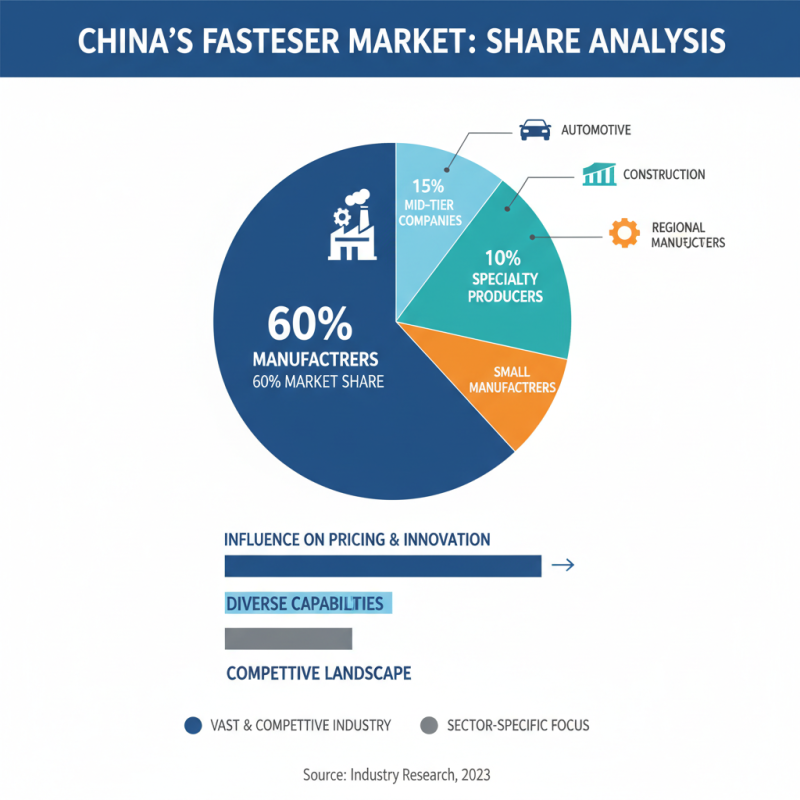
China's fastener industry is vast and competitive. The market consists of numerous manufacturers with varying capabilities and specialties. Many companies serve different sectors, such as automotive, construction, and machinery. Research shows that a handful of firms dominate the market. They hold significant shares, influencing pricing and innovation.
The leading manufacturers possess advanced technologies and efficient production methods. Their investment in R&D has set them apart. While some players enjoy a strong reputation, others struggle with quality control and customer service. This inconsistency can affect how clients perceive the entire industry. Understanding these dynamics helps businesses make informed decisions when selecting suppliers.
Market analysis reveals a trend toward consolidation. Smaller manufacturers face challenges in competing with larger firms. This shift can lead to fewer options for buyers in the long run. Innovation and sustainability practices are becoming critical for survival. Companies that fall behind on these fronts may find it hard to maintain their market share.
Key Technologies Utilized by Leading Fastener Companies
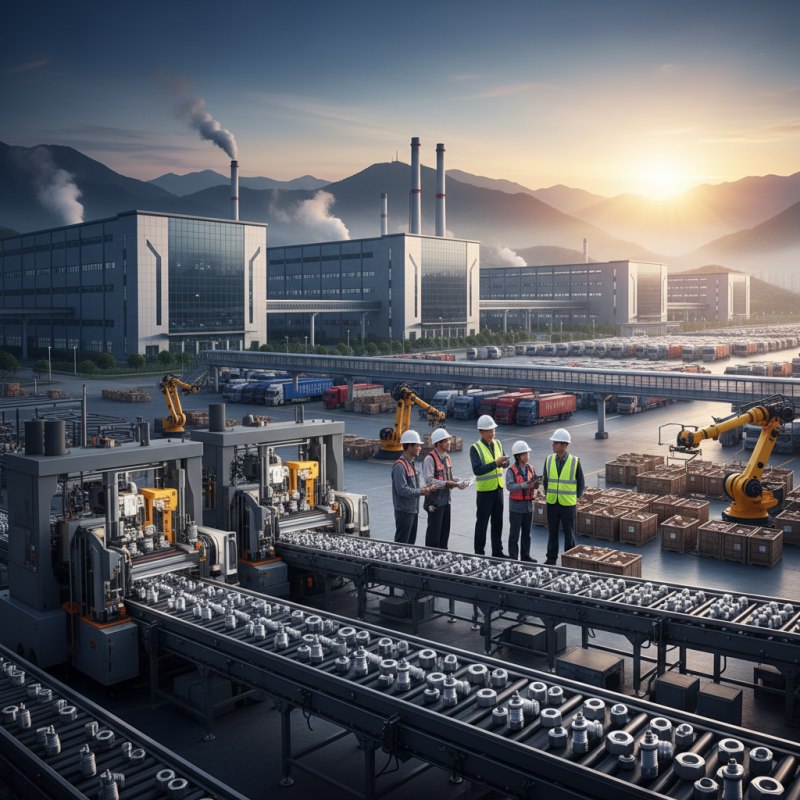
Fastener manufacturers in China leverage advanced technologies to enhance production efficiency. Automation plays a critical role in improving precision and reducing labor costs. The integration of robotics in manufacturing processes allows for rapid assembly and higher output rates. Industry reports indicate that automated systems can increase efficiency by up to 30% compared to manual methods.
Quality control is another vital aspect. Many top companies use non-destructive testing techniques to ensure product integrity. This includes methods like ultrasonic testing and magnetic particle inspection. According to a recent survey, 86% of manufacturers cite strict quality control as a key factor in maintaining competitiveness. However, achieving consistent quality is challenging; some manufacturers still struggle with variation in raw materials.
Furthermore, the adoption of data analytics helps in predicting maintenance needs. This proactive approach minimizes downtime and enhances overall productivity. A study found that data-driven decisions lead to a 25% reduction in operational costs. Despite these advancements, not all companies fully embrace these technologies. Some still rely on outdated practices, exposing them to inefficiencies. Continuous improvement is essential for staying relevant in this fast-evolving market.
Top 10 Fastener Manufacturers in China You Should Know
| Manufacturer Rank |
Annual Revenue (in millions) |
Employee Count |
Key Technologies |
Product Range |
| 1 |
500 |
1200 |
Automated Assembly, 3D Printing |
Bolts, Nuts, Screws |
| 2 |
400 |
800 |
Cold Heading, Surface Treatment |
Washers, Clips, Rivets |
| 3 |
300 |
600 |
CNC Machining, Smart Manufacturing |
Anchors, Spacers, Connectors |
| 4 |
250 |
500 |
Robotics, IoT Integration |
Studs, Bolts, Fasteners |
| 5 |
200 |
400 |
Laser Cutting, Quality Control |
Nuts, Screws, Pins |
| 6 |
150 |
300 |
Heat Treatment, Surface Finishing |
Brackets, Screws, Clips |
| 7 |
100 |
250 |
Quality Assurance, R&D |
Specialty Fasteners, Structural Bolts |
| 8 |
80 |
200 |
Innovative Joining Solutions |
Nuts, Rivets, Anchors |
| 9 |
60 |
150 |
Custom Manufacturing, CAD Design |
Fasteners for Automotive, Aerospace |
| 10 |
50 |
100 |
Sustainability Practices, Automation |
General Purpose Fasteners |
Impact of Global Trade on China's Fastener Industry
Global trade significantly impacts China's fastener industry. As one of the largest producers, China plays a crucial role in international markets. Trade policies and tariffs directly affect production costs and prices. Fluctuations in demand from global markets challenge manufacturers.
In recent years, supply chain disruptions have tested China's resilience. The COVID-19 pandemic revealed vulnerabilities. Companies faced delays and increased raw material costs. Some manufacturers missed contracts due to these unforeseen challenges. This brings attention to the importance of diversification in sourcing materials and markets.
Sustainability is another growing concern in the fastener sector. Companies are increasingly pressured to adopt eco-friendly practices. Meeting global environmental standards is critical. Yet, some businesses struggle to balance efficiency and sustainability. This struggle reflects the broader conflict between profit and responsibility in the global marketplace.
Top 10 Fastener Manufacturers in China - Market Share Overview
Sustainability Practices Among Top Fastener Manufacturers in China
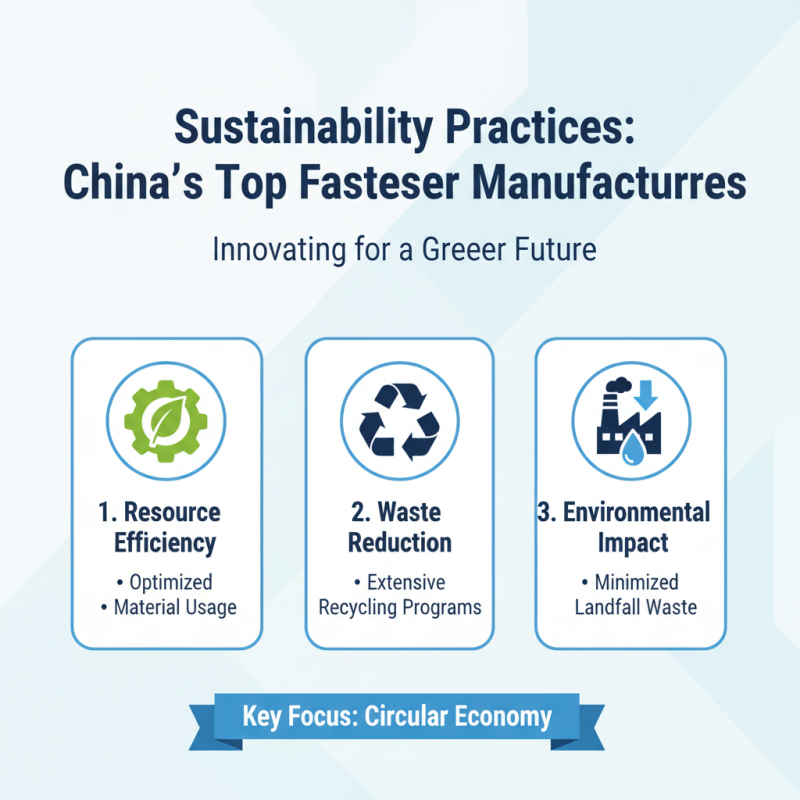
Sustainability is increasingly critical in the fastener manufacturing industry in China. Many manufacturers are re-evaluating production processes to minimize environmental impact. They focus on resource efficiency and waste reduction. For instance, companies often implement recycling programs to reclaim materials, ensuring less waste in landfills.
Some manufacturers invest in clean energy solutions. This includes using solar power for their operations. However, not all are making the same strides. The commitment to sustainability varies significantly across the industry. Some businesses only adopt green practices superficially, not fully integrating them into their operations. This approach raises questions about their true dedication to environmental responsibility.
Additionally, many manufacturers struggle with transparency. Customers demand information about sourcing and manufacturing processes. Yet, some companies provide limited details, making it hard to verify their sustainability claims. To gain consumer trust, greater transparency and accountability are crucial. As the industry continues to evolve, these challenges must be addressed for genuine sustainability to be achieved.





 Phone
Phone Send Email
 whatsapp
 Facebook
 Youtube