Top Fastener Manufacturer Trends and Innovations in 2026?
In the ever-evolving landscape of fastener manufacturing, innovation stands at the forefront. As we look toward 2026, the insights from leading industry experts become essential. John Smith, a renowned fastener manufacturer consultant, states, "Innovation is the heartbeat of our industry, driving efficiency and sustainability." His perspective highlights the emphasis on adopting new technologies and practices.
Fastener manufacturers are increasingly focusing on automation and smart manufacturing. These advancements enhance productivity and reduce waste. Additionally, sustainability is becoming a key trend. Manufacturers strive to reduce their carbon footprint and utilize eco-friendly materials. This shift reflects broader industry commitments to responsible production.
However, the road to innovation is not without its challenges. Many manufacturers face obstacles in adopting new technologies. Integrating modern solutions often requires significant investments and training. Failure to adapt could leave companies behind. The fastener industry must navigate these complexities while embracing change to thrive in 2026 and beyond.
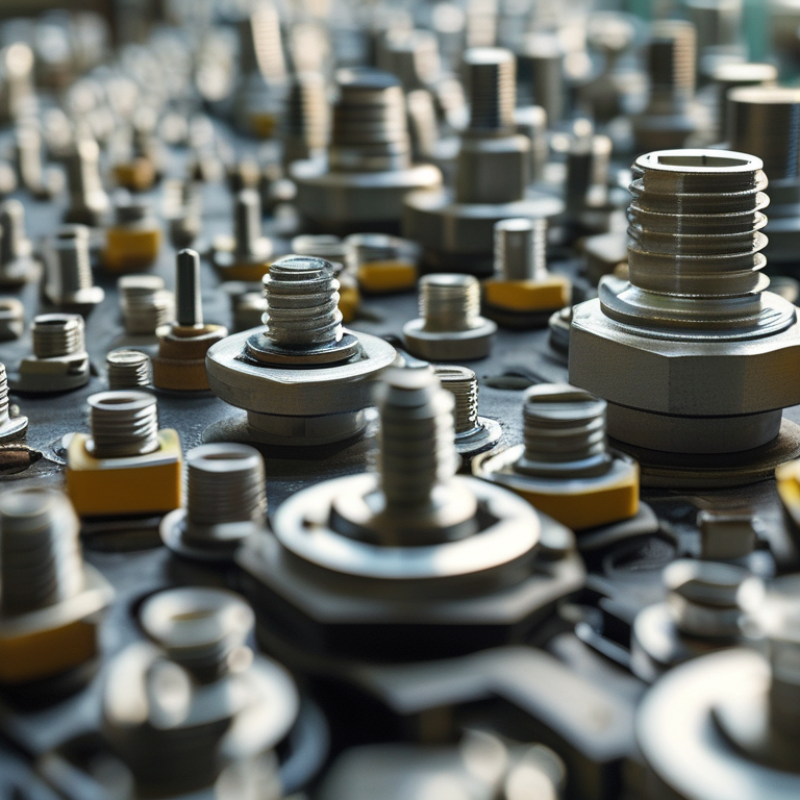
Emerging Materials in Fastener Production for 2026
In 2026, the fastener manufacturing industry is expected to embrace several innovative materials that will redefine production standards. A recent industry report highlights an anticipated growth rate of 4.5% in the fastener market, driven by the demand for lighter and stronger materials. Manufacturers are focusing on advanced composites, which offer improved tensile strength and resistance to corrosion. These materials enhance the performance of fasteners in various applications, particularly in automotive and aerospace sectors.
New alloys, such as titanium and high-strength stainless steel, are gaining popularity. These materials not only reduce weight but also extend the lifespan of fasteners. According to industry experts, around 30% of fasteners used in high-performance applications will switch to these advanced materials by 2026. However, sourcing these materials can be challenging due to market fluctuations and availability.
Tip: Always consider the application requirements when selecting materials. Not every innovation suits every use case. Analyze the environment where the fasteners will be exposed.
The shift toward sustainable materials is also noteworthy. Biodegradable composites are being explored. They promise a reduction in environmental impact. Yet, the durability question remains. Manufacturers will need to balance sustainability with performance.
Tip: Engage in collaboration and research partnerships. This approach can help businesses stay ahead in material innovations and respond to emerging challenges effectively.
Automation and Robotics in Fastener Manufacturing Processes
Automation and robotics are revolutionizing fastener manufacturing processes. In 2026, these technologies will dominate the landscape of this industry. By integrating robotic systems, manufacturers can achieve higher precision and reduced production times. Automation minimizes human error, enhancing quality control in fastener production.
Tips: Consider investing in training for your team. Familiarity with robotic systems can lead to smoother integration. Regular updates on technology can keep you competitive.
As companies implement these innovations, challenges may arise. Initial costs can be significant. Adapting existing workflows to new technologies requires careful planning. The speed of change can be overwhelming, and not all teams may adapt swiftly. Continuous assessment of the impact of these technologies is essential.
Incorporating IoT into fastener manufacturing can enhance efficiency. Real-time data collection improves process monitoring. However, understanding how to interpret this data remains a hurdle for many. Balancing innovation with practical application is critical for long-term success.
Top Fastener Manufacturing Innovations in 2026
Sustainability Trends Impacting the Fastener Industry
The fastener industry is experiencing a pivotal shift as sustainability trends take center stage. In 2026, the demand for eco-friendly materials is predicted to rise significantly. According to recent industry reports, over 55% of manufacturers are expected to prioritize sustainable sourcing. This transformation comes in response to increasing regulatory pressures and consumer preferences for greener products.
Moreover, innovations such as recyclable fasteners and bio-based materials are gaining traction. These advancements not only reduce environmental impact but also open new market opportunities. A survey indicated that 68% of manufacturers believe sustainable practices enhance their brand reputation. However, challenges remain. Sourcing sustainable materials often poses logistical hurdles. Many companies struggle to balance cost with eco-friendly options.
Tip: Start small by assessing your current material suppliers. Look for partners who prioritize sustainability. This change can set a precedent for your entire supply chain.
As the industry moves forward, collaboration will be essential. Companies must share knowledge and resources. Engaging with partners who focus on sustainability can lead to innovative solutions. Yet, some manufacturers still hesitate to shift away from conventional methods. This reluctance could limit growth in an evolving market landscape.
Tip: Regularly review your sustainability goals. Adjust strategies based on industry trends and peer insights. Staying flexible will help your business thrive in this changing environment.
Smart Fasteners: Integration of IoT and Connectivity Solutions
The fastener industry is witnessing a transformative shift with the integration of smart technology.
IoT-enabled fasteners are at the forefront of this change, bringing enhanced monitoring capabilities. As reported in recent industry research, over 40% of manufacturers are exploring smart fasteners to improve operational efficiency.
These innovative solutions facilitate real-time data collection and analysis, allowing for predictive maintenance and reducing downtime.
Smart fasteners can communicate with other devices, enabling seamless connectivity within manufacturing processes. This level of integration can lead to significant cost savings.
For instance, companies could save up to 20% on maintenance costs through early detection of issues. Furthermore, the ability to track fastener conditions ensures a higher level of quality control, significantly reducing failures in critical applications.
However, adopting this technology presents challenges. Many businesses struggle with data security and integration with existing systems.
These factors necessitate careful planning and investment in security protocols. As the industry evolves, a balance between innovation and addressing these concerns is essential for maximizing the benefits of smart fasteners.
Market Dynamics and Consumer Preferences Shaping Fastener Innovations
Consumer preferences in 2026 are significantly influencing fastener innovations. Industries now prioritize sustainability and eco-friendly materials. Many manufacturers are exploring biodegradable options. This shift reflects a deeper commitment to environmental concerns. As consumers adopt greener lifestyles, manufacturers must adapt. The demand for recyclable fasteners is on the rise.
Advanced technology plays a crucial role in shaping these trends. Smart fasteners equipped with sensors are emerging. These innovations allow better tracking and monitoring of fastening integrity. However, integrating technology into traditional manufacturing processes poses challenges. Companies often struggle with balancing performance and cost-efficiency.
Additionally, customization is gaining traction. Consumers prefer tailored solutions that fit specific applications. This demand complicates production but fosters creativity. Many manufacturers must rethink their design processes. Quality and durability remain paramount, but flexibility is key. Striking this balance can be difficult but essential for future success.




 Phone
Phone Send Email
 whatsapp
 Facebook
 Youtube