Top 10 China Fasteners You Should Know About?
In the realm of manufacturing, "China Fasteners" have garnered attention for their significance and versatility. Renowned industry expert, Dr. Li Wei, emphasizes, "The quality of fasteners can make or break a project." This highlights the vital role that fasteners play in various sectors, from construction to electronics.
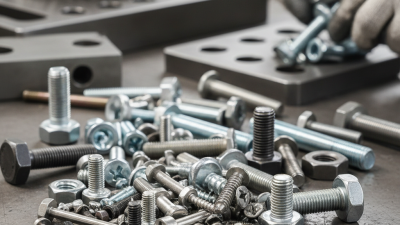
Understanding what to look for in fasteners is essential. China is the world's largest producer, offering an array of products, from bolts and screws to nuts and washers. Their innovations and manufacturing capabilities have influenced global markets. Each fastener type serves a unique function, with specific requirements for strength, corrosion resistance, and size.
Yet, challenges persist. Issues like quality control can lead to setbacks. As the demand for China's fasteners continues to rise, scrutiny over standards must increase. Making informed choices in this expanding market is crucial. Exploration of the top ten fasteners unveils opportunities and pitfalls that every buyer must consider.
Understanding Fasteners: Definition and Importance in China
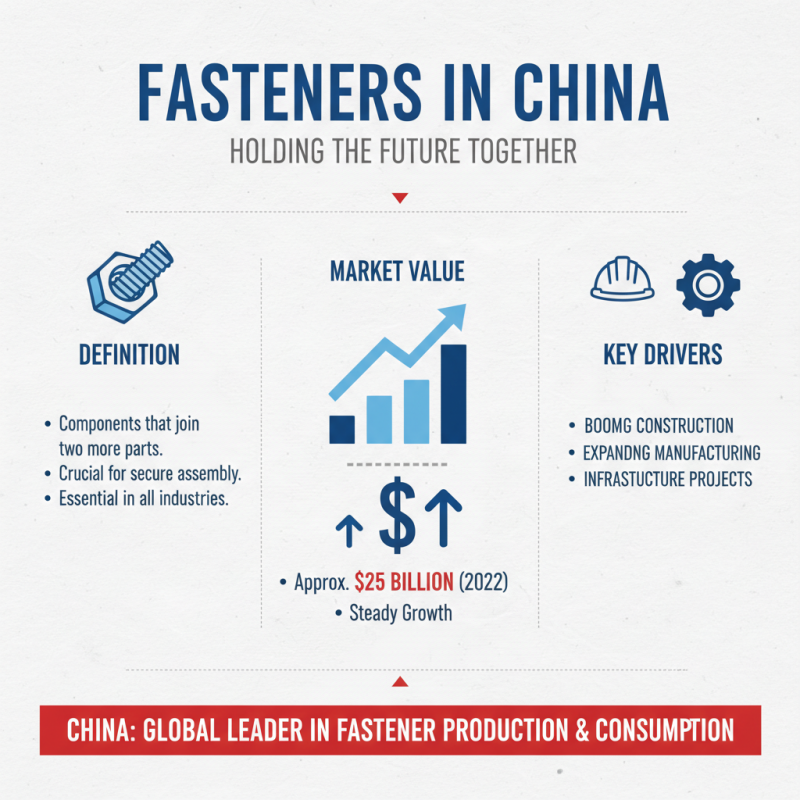
Fasteners play a crucial role in various industries across China. They help to hold structures, equipment, and products together securely. The fastener market in China is significant, with growth driven by the booming construction and manufacturing sectors. According to a report by Research and Markets, the Chinese fastener market was valued at approximately $25 billion in 2022, reflecting a steady increase attributed to infrastructure projects.
Understanding the specifications of fasteners is essential. These components come in various shapes, sizes, and materials. When selecting fasteners, consider their load capacity and environmental resistance. The choice directly impacts durability and safety. For instance, stainless steel fasteners are preferred for their corrosion resistance. However, they can be more expensive.
Tip: Always consider the environment where the fasteners will be used. External conditions can influence performance over time.
Not all fasteners are created equal. Quality can vary significantly between suppliers. Some manufacturers may cut corners, leading to failures or safety concerns. It's vital to vet suppliers and choose those with proven track records. Look for certifications and adherence to international standards to assure quality.
Tip: Regularly assess the performance of fasteners in critical applications. This can help identify potential issues before they pose risks.
Types of Fasteners Commonly Used in China: An Overview
Fasteners play a crucial role in various industries in China. Understanding the types commonly used can enhance your knowledge of manufacturing and assembly processes. The most prevalent types include bolts, nuts, screws, and washers. Each serves a unique purpose, contributing to structural integrity and functionality.
Bolts are often used in heavy machinery. They can handle significant loads and are available in various grades. Screws, on the other hand, are more commonly found in woodworking and light applications. They provide ease of use and allow for quick assembly. Nuts serve as a companion to bolts, enabling secure fastening. Washers help distribute load and prevent damage to surfaces.
Tip: Always check the material and grade of the fasteners for your project. Choosing the right type can significantly impact durability.
One should also be cautious about quality. Cheap fasteners may seem appealing but can lead to failures. Inspect fasteners for consistency and reliability during procurement.
Tip: Keep a diverse range of fasteners on hand. Having different sizes and types can save time and reduce delays in projects.
Top 10 Fasteners Manufactured in China: Key Players and Products
China is a leading player in the global fastener manufacturing industry. The country produces a vast variety of fasteners, from screws and bolts to nuts and washers. These products are essential across many sectors, including automotive, construction, and electronics. The quality of these fasteners can vary greatly. Some manufacturers use advanced technology, ensuring that their products meet international standards. Others may compromise on quality to reduce costs.
Understanding the key players in this market can be challenging. Various companies produce fasteners but not all have the same reputation. Some focus on high-volume production. Others specialize in high-tech, precision fasteners. When sourcing fasteners from China, organizations should pay attention to the certification of products. Certifications can help ensure reliability and safety. Many manufacturers also offer customization options, allowing for specific sizes and materials. This can be beneficial for unique projects.
While there is a wealth of choice in China, buyers must remain cautious. A thorough assessment of suppliers is necessary. Reviews and ratings can provide insight into a company's reliability. However, it is not foolproof. Some suppliers may present glowing testimonials that do not reflect the actual quality. Ongoing communication with manufacturers is crucial to ensure expectations align. Understanding the fastener landscape in China requires diligence and careful consideration.
Quality Standards and Certifications for Chinese Fasteners
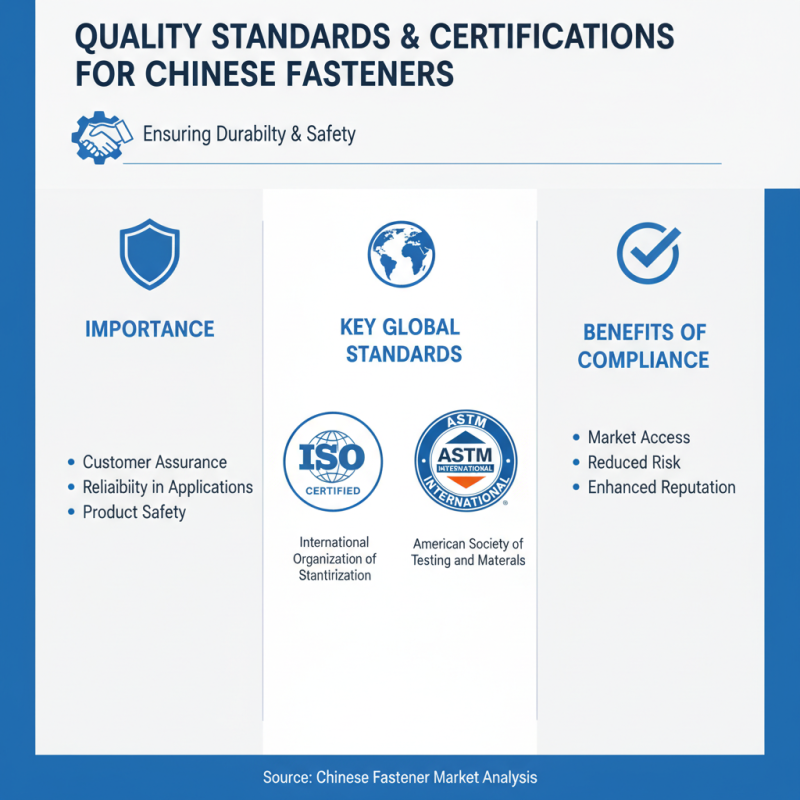
When considering the fastener market in China, understanding quality standards and certifications is essential. Various international standards exist, such as ISO and ASTM, which play a crucial role in ensuring that fasteners meet specific quality criteria. Compliance with these standards assures customers of their durability and safety in various applications.
Chinese manufacturers often pursue certifications like CE marking and RoHS compliance. These certifications indicate adherence to European safety regulations and environmental directives. However, not all manufacturers achieve these certifications. Some may lack transparency in their quality assurance practices. Therefore, customers should be vigilant. It's wise to request documentation that verifies compliance with relevant standards.
Quality control processes also vary widely. Some factories uphold rigorous testing protocols, while others might cut corners to reduce costs. Simple visual inspections or tests for tensile strength may not be enough. Thorough assessments are necessary to ensure a reliable product. Engaging third-party inspectors can provide added reassurance. Their expertise can help identify potential red flags in manufacturing practices. This layered approach improves the likelihood of sourcing quality fasteners in China.
Trends in the Chinese Fastener Industry: Innovations and Future Outlook
The Chinese fastener industry is undergoing significant transformation. With advancements in technology, manufacturers are adopting automated processes. This shift enhances production efficiency and reduces labor costs. According to a report by the China Fastener Industry Association, the market is projected to grow at a CAGR of 6.5% over the next five years. This indicates a strong demand for high-quality fasteners.
Innovations in materials are also driving change. The introduction of corrosion-resistant coatings is becoming standard. These coatings improve the durability of fasteners used in harsh environments. Additionally, recent developments in lightweight materials are opening new markets. However, the rapid pace of innovation poses challenges. Companies must invest in research and development to stay competitive.
The future outlook remains optimistic but requires adaptability. As the global market shifts, Chinese manufacturers face increasing competition. Regulations around quality and safety are tightening. Companies must navigate these changes carefully. While growth is expected, not all manufacturers will thrive in this evolving landscape. It's crucial for them to assess their strategies and align with market demands continuously. The road ahead is promising yet complicated.





 Phone
Phone Send Email
 whatsapp
 Facebook
 Youtube