Top Washers for Global Buyers Why Quality Matters
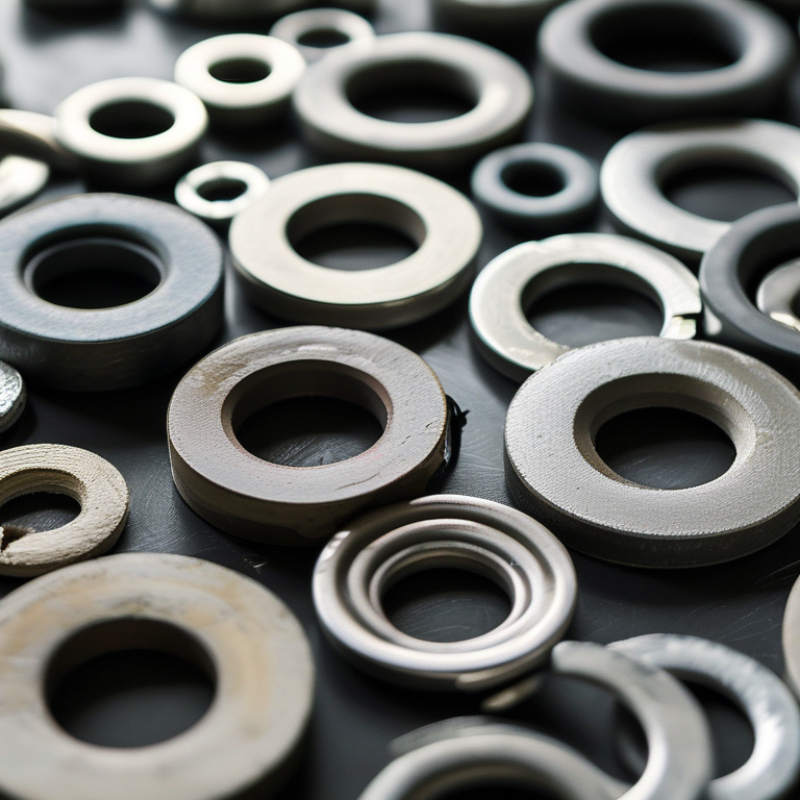
In the world of manufacturing and construction, the importance of quality washers cannot be overstated. Washers serve a crucial role in ensuring that fasteners create a secure and tight connection. They help distribute the load of a fastener, prevent leakage, and reduce wear. However, not all washers are created equal. Some may not withstand pressure or temperature extremes, leading to failures.
Global buyers face numerous challenges in sourcing reliable washers. The market offers a variety of materials and designs. Stainless steel, rubber, and nylon washers each serve different purposes. Yet, low-quality options can compromise safety and integrity. This emphasizes the need for expertise in choosing washers that fit specific applications.
Investing in high-quality washers pays off in the long run. A reliable washer can significantly enhance performance and durability. It can prevent costly mistakes and repairs that arise from using inferior products. Therefore, understanding the significance of quality is crucial for buyers in any industry.
Top Global Washer Brands: A Comparative Analysis of Quality Standards
Choosing the right washing machine is crucial for global buyers. Quality standards vary significantly across different brands. Inspecting how these brands set their quality benchmarks helps consumers make informed decisions.
Manufacturers often focus on durability, efficiency, and performance. Some machines are energy-efficient but might compromise on washing power. It's essential to evaluate how these features impact daily use. Many brands claim superior cleaning results but do not provide adequate data to back these claims.
Testing machines under real-life conditions can yield mixed results. Some users experience excellent performance, while others may face issues. Researching customer feedback helps gauge the reliability of different models. Quality is not just about the machine lifespan; it encompasses overall user experience and satisfaction.
Key Factors Influencing Washer Quality: Performance, Durability, and Efficiency
When it comes to selecting the right washer, several key factors determine its quality. Performance is paramount. A washer should efficiently handle a variety of fabrics and stains. It must have settings tailored for heavy-duty cleaning as well as gentle cycles. Depending on your laundry needs, the right features can make a significant difference.
Durability is another essential aspect to consider. Quality washers are built to last through years of use. They often feature robust materials and advanced engineering that minimize wear and tear. Yet, even high-quality models can develop issues over time. Regular maintenance plays a critical role in prolonging their lifespan.
Efficiency is crucial in today’s eco-conscious market. Energy-efficient washers save on utility bills and reduce environmental impact. Consumers often overlook this aspect, favoring features over functionality. However, investing in a washer that balances efficiency and performance can lead to better long-term satisfaction. It's important to reflect on personal usage patterns and needs, as every buyer's situation is unique.
Top Washers for Global Buyers - Why Quality Matters
| Washer Type |
Performance (kg) |
Durability (years) |
Energy Efficiency Rating |
Price (USD) |
| Front-Loading Washer |
8 |
10 |
A+++ |
699 |
| Top-Loading Washer |
6 |
8 |
A++ |
499 |
| Portable Washer |
3 |
5 |
A+ |
249 |
| High-Efficiency Washer |
7 |
12 |
A+++ |
799 |
Consumer Preferences: Trends Affecting Global Washer Purchases in 2023
In 2023, consumer preferences in the washer market reveal significant trends impacting purchase decisions. Eco-friendliness is a priority for many buyers. They seek machines that minimize water and energy consumption. Features like quick wash cycles appeal to busy lifestyles and reflect modern needs. A growing number of consumers prefer smart technology, allowing them to control washers remotely.
Price sensitivity continues to shape the market. Many buyers are cautious, searching for value and durability over flashy features. Consumers wish for appliances that last, reducing the frequency of replacements. However, it’s important to note that some may compromise on quality in favor of a lower price tag. This often leads to dissatisfaction and a need for repairs.
Aesthetic appeal also plays a role in washer selection. Buyers want machines that fit their home decor. However, this can lead to impulsive purchases, which might not meet practical needs. Overall, understanding these trends is crucial for manufacturers and consumers alike. Quality and practicality should guide smarter purchases.
Top Washers Preferences Among Global Buyers in 2023
Impact of Quality on Long-term Costs: Analyzing Total Cost of Ownership
Quality is a crucial factor in evaluating washers for global buyers. When assessing long-term ownership, a focus on quality impacts operational costs significantly. According to industry reports, investing in high-quality equipment can reduce maintenance costs by up to 30%. Buyers often overlook these savings in favor of lower initial prices.
Moreover, the total cost of ownership (TCO) extends beyond the purchase price. A study conducted by a leading industry analyst revealed that quality washers save energy and water, resulting in a reduction of utility expenses by 20% over five years. This finding emphasizes that quality leads to better performance and lower operational costs. Ignoring these insights may lead to regrettable financial decisions.
Additionally, high-quality washers tend to have longer lifespans. Reports indicate that a robust washer can last 15 years or more with proper care. In contrast, cheaper models may require replacement in half that time. This discrepancy illustrates the importance of viewing washer purchases as long-term investments, not just immediate expenses. A careful analysis reveals that prioritizing quality yields substantial financial benefits over time.
Innovation in Washer Technology: Enhancements in Efficiency and Eco-Friendliness
The evolution of washer technology has brought significant advancements in efficiency and eco-friendliness. Modern washers now utilize smart sensors, which adjust water levels based on load size. This not only conserves water but also enhances cleaning performance. Users can enjoy higher energy savings with less electricity used per cycle.
Many consumers seek washers that reduce their carbon footprint. Innovations such as heat pump technologies and eco-friendly detergents are becoming more widespread. Yet, some machines still struggle with effective cleaning in cold water settings. This is a critical area needing improvement. Manufacturers must focus on balancing energy efficiency with performance to meet users' needs.
The demand for sustainability is reshaping the washer market. Buyers want products that not only perform well but also align with their values. However, as new technologies emerge, the complexity may intimidate some users. It's essential to simplify features for better user experience. Reflecting on these challenges can lead to more accessible and effective washing solutions.




 Phone
Phone Send Email
 whatsapp
 Facebook
 Youtube