Leave Your Message

2026 Best Custom Fasteners for Global Buyers to Consider?

In the dynamic world of manufacturing, Custom Fasteners play a pivotal role. These specialized components are essential for various industries. Selecting the right fasteners can significantly impact product durability and performance.

As global buyers seek the best options in 2026, understanding the nuances of Custom Fasteners is vital. Innovative materials and advanced designs are emerging, enhancing their functionality. However, the vast market can be overwhelming. Many buyers struggle to identify which fasteners suit their specific needs.

This article aims to clarify these complexities and highlight top choices for 2026. Recognizing the interplay between quality and cost is crucial. Buyers must also reflect on their unique applications. Custom Fasteners are not just a commodity; they are a necessary investment in safety and efficiency.
2026 Best Custom Fasteners for Global Buyers to Consider?

Overview of Custom Fasteners in 2026 Market Trends

The custom fastener market in 2026 shows intriguing trends. Businesses need to adapt quickly to changing demands. Customization remains a significant factor driving growth. Buyers are looking for specific designs and materials tailored to their unique needs. This shift requires manufacturers to enhance their production capabilities.

Sustainability is increasingly important. Buyers prefer fasteners that minimize environmental impact. Companies that embrace eco-friendly practices gain a competitive edge. Not everyone is making this shift effectively; some still overlook sustainable options. Evaluating production methods can reveal areas for improvement.

Investing in advanced technology can streamline processes. Automation helps in reducing lead times. However, it is essential to balance innovation with craftsmanship. Some manufacturers focus too much on speed and lose quality. Constantly re-evaluating production techniques can foster growth and customer satisfaction. Aligning with market trends might not come easy, but it is crucial for future success.

2026 Best Custom Fasteners for Global Buyers to Consider

Type of Fastener Material Size Range (mm) Strength (MPa) Market Trends
Bolts Steel M8 - M20 600 - 1200 Increasing demand in construction sector
Nuts Alloy M6 - M16 400 - 1000 Growth in automotive industry
Washers Stainless Steel 32 - 63 300 - 800 High demand in electronics
Screws Brass M2 - M10 500 - 1100 Adoption in home appliances

Key Types of Fasteners and Their Applications

Fasteners are essential components in various industries. Understanding their types is crucial for any buyer. Key among them are bolts, screws, and nuts. Each serves a unique purpose, whether in construction or manufacturing.

Bolts are renowned for their strength. They connect heavy materials, like steel beams. Screws, on the other hand, are versatile. They secure components together in furniture or electronics. Nuts, paired with bolts, help maintain stability. These fasteners create essential connections that withstand tension and pressure.

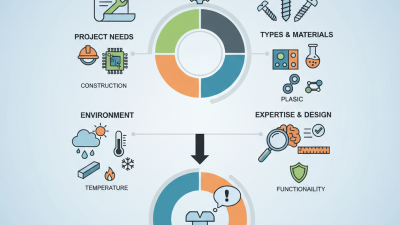
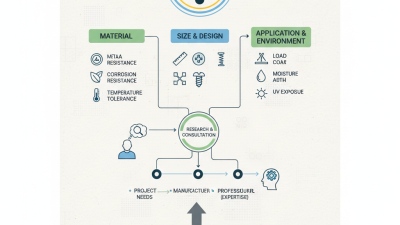
Selecting the right fastener requires knowledge. Consider factors like material, size, and application. Some fasteners may not perform optimally in specific environments. It's vital to test and evaluate different options. This prevents costly mistakes down the line. Fastener choices impact durability and safety in projects, so careful consideration is essential.

Factors Influencing Buyer Decisions for Custom Fasteners

When selecting custom fasteners, buyers face a myriad of factors shaping their decisions. One significant aspect is the material selection. The longevity and performance of fasteners depend heavily on the materials used. Buyers must consider environmental factors, such as corrosion resistance and temperature endurance. Understanding the application environment can be challenging for some, leading to potential missteps.

Another essential factor is the design complexity of fasteners. Depending on the specific application, a simple design may suffice, while others require intricate specifications. Misjudgments in design can result in inadequate performance. Buyers need to ensure collaboration with experienced engineers. This partnership can refine their understanding of functional requirements and prevent costly errors.

Quality assurance also plays a critical role in decision-making. Buyers often look for detailed certifications and testing procedures. Establishing a reliable supply chain is necessary yet complex. Trusting a supplier without thorough vetting can lead to subpar outcomes. Reflecting on these elements is crucial as the stakes in choosing fasteners can significantly impact project success. Understanding the balance between cost and quality is essential, yet not always clear-cut.

Top Manufacturers and Suppliers in the Global Fastener Industry

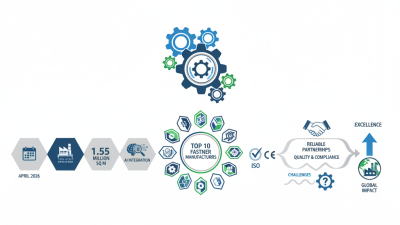
The global fastener industry is evolving rapidly. Manufacturers and suppliers are adapting to meet diverse buyer needs. Quality and reliability remain paramount. As buyers, understanding the landscape of top manufacturers can help make informed choices.


When considering custom fasteners, look for manufacturers with extensive experience. They should offer a range of materials and specifications. This helps ensure the products meet specific project requirements. Don't overlook the importance of certifications too. They reflect a commitment to quality and safety, which can prevent costly mistakes.


Inspecting production facilities can provide insights into a supplier’s capabilities. A visit allows evaluation of their technological advancements and quality control processes. Some suppliers might not adhere strictly to quality standards. This can lead to inconsistencies in products. Researching reviews and seeking feedback from previous clients can help mitigate risks. Staying ahead in this competitive market means partnering with trusted sources.

Future Innovations and Advancements in Fastener Technologies

The fastener industry is evolving rapidly, driven by innovations in materials and manufacturing processes. Advanced materials like titanium and carbon fiber are gaining traction. These materials provide superior strength and reduced weight, leading to improved performance in aerospace and automotive applications. According to a recent report, the demand for lightweight fasteners is expected to grow by over 15% annually until 2026.

Technological advancements are reshaping how fasteners are produced. 3D printing technology, for example, has significantly reduced production times and costs. Customization options are also increasing, allowing manufacturers to create fasteners tailored to specific requirements. In fact, around 40% of fasteners produced today are custom designs, reflecting a shift toward personalized solutions.

However, challenges remain. The industry must address issues like quality control and material consistency. As manufacturers adopt new technologies, ensuring reliability is crucial. Many companies are investing in R&D to tackle these obstacles. It's clear that while the future holds promise, continual reflection and adaptation are needed to keep pace with these advancements in fastener technologies.