Why Fasteners are Essential for Construction and Manufacturing Success?
Fasteners play a critical role in construction and manufacturing. They ensure structural integrity and reliability. According to a recent report from the Freedonia Group, the fastener market is projected to reach $108 billion by 2026, reflecting a strong demand across various industries.
Expert James Donovan, a seasoned fastener specialist, emphasizes, "The right fasteners can make or break a project." His insight highlights the importance of selecting appropriate fasteners for durability and performance. Fasteners are not merely connectors; they are integral to safety and efficiency.
Despite their importance, many professionals overlook fastener quality, leading to potential risks and failures. As projects become more complex, the need for high-quality fasteners increases. The industry must prioritize education on fastener selection to prevent costly mistakes. The future of construction and manufacturing hinges on this often underestimated component.
The Role of Fasteners in Construction and Manufacturing
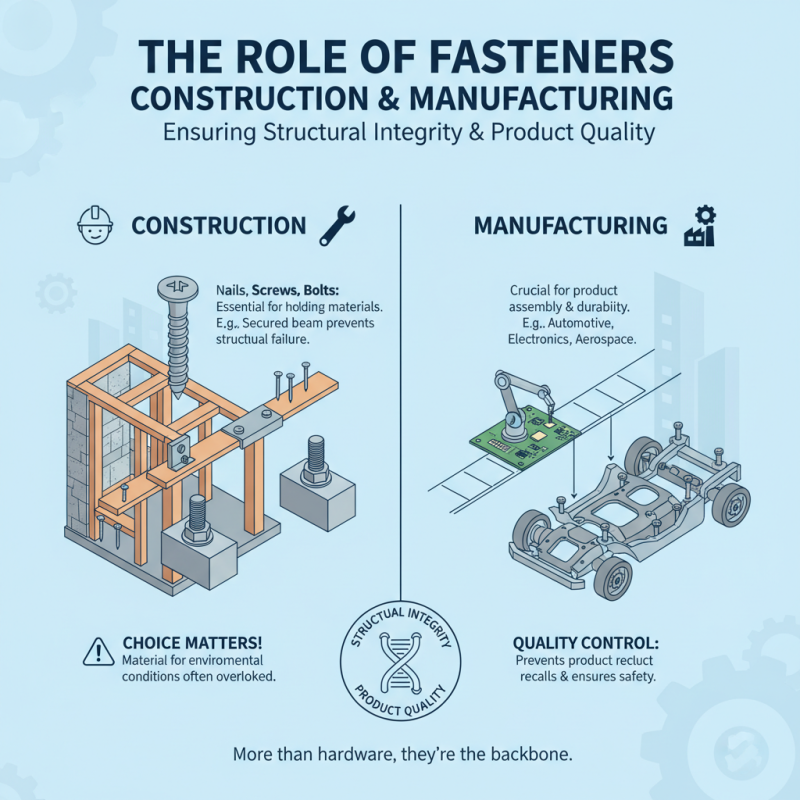
Fasteners play a crucial role in both construction and manufacturing. They are not just small pieces of hardware; they ensure structural integrity and product quality. In construction, nails, screws, and bolts are essential for holding materials together. For instance, a well-secured beam can prevent structural failures and potential safety hazards. However, the choice of fasteners often lacks scrutiny. Some may overlook the importance of selecting the right material for varying environmental conditions.
In manufacturing, fasteners are key for assembly lines. They allow for quick assembly and easy disassembly of components. This efficiency is vital in meeting production targets. Nevertheless, manufacturers must avoid common pitfalls, such as using incompatible fasteners. Such errors can lead to delays and increased costs. Additionally, ongoing training is essential for workers to ensure they understand the right applications for each type of fastener. Improper usage can lead to product failures, which erodes trust with clients. Understanding the full scope of fasteners' impact in these industries is crucial for long-term success.
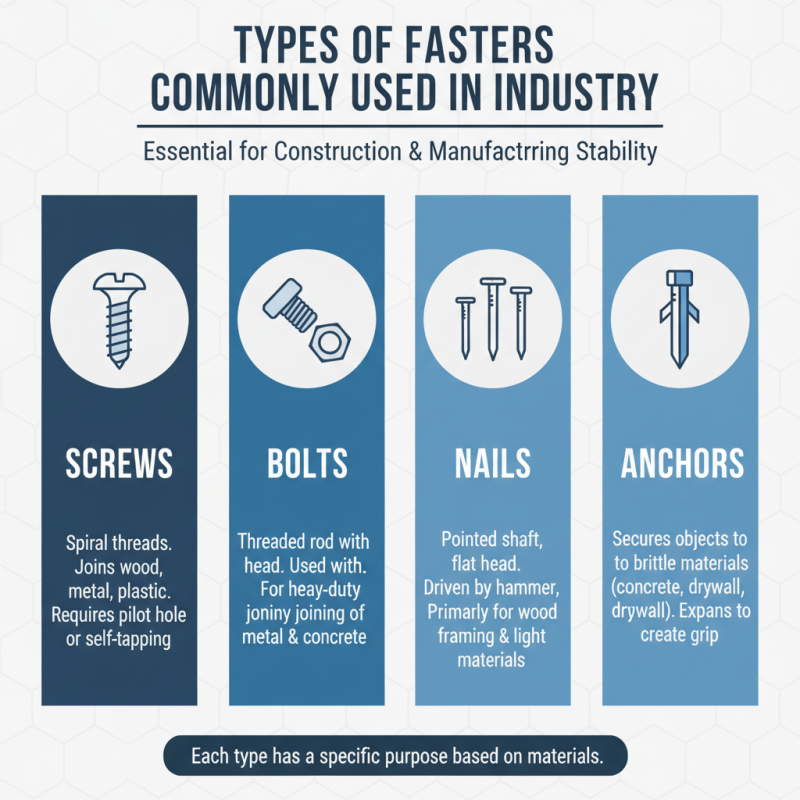
Types of Fasteners Commonly Used in Industry
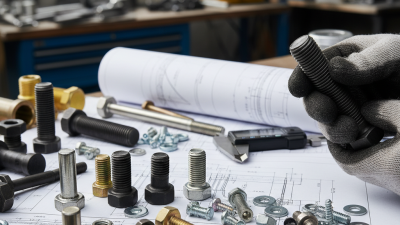
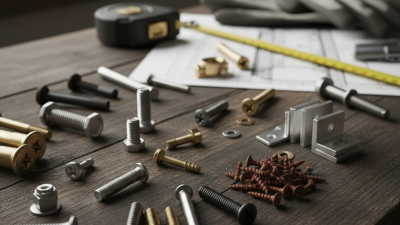
Fasteners play a crucial role in construction and manufacturing. They ensure stability and safety in countless applications. The most common types include screws, bolts, nails, and anchors. Each fastener type has its specific purpose, often determined by the materials being joined.
Screws are versatile and provide strong connections. They create friction when driven in, making them ideal for wood and metal. Bolts, on the other hand, are heavy-duty fasteners. They require nuts to secure parts together. This combination makes them suitable for structural applications. Nails are simple and quick to use, best for light assemblies and framing. Anchors are used in concrete or masonry. They're essential for securing items that require extra support.
Choosing the right fastener can be challenging. Each project has unique demands. Sometimes, using the incorrect fastener leads to failures, which can be costly. It’s crucial to consider load requirements, material compatibility, and environmental factors. Regularly assessing your fastener choices can improve project outcomes over time.
Factors Influencing Fastener Selection for Projects
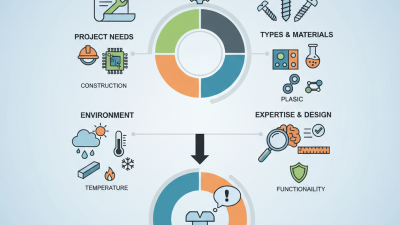
Fasteners play a critical role in both construction and manufacturing. Selection of the right fasteners can significantly affect project success. According to a recent industry report, over 70% of construction failures can be traced back to improper fastener choice. This emphasizes the importance of considering the specific requirements of each project.
When selecting fasteners, several factors must be considered. Material compatibility is crucial; different environments can lead to corrosion or fatigue. For instance, stainless steel fasteners are often favored for their durability in outdoor applications. Additionally, load capacity and tensile strength should align with the project’s needs. More than 60% of professionals reported that understanding these parameters directly impacts project efficiency and safety.
Tips: Always consider the environment where fasteners will be used. If moisture is a factor, opt for corrosion-resistant materials. It’s also wise to reference industry guidelines for load specifications and safety standards before finalizing your choices. Remember, overlooking the small details can lead to significant cost overruns or safety hazards in the long run. Regularly review your fastener inventory to ensure you have the right types on hand for various projects.
Impact of Fasteners on Structural Integrity and Longevity
Fasteners are critical to construction and manufacturing. Their role in structural integrity cannot be overstated. They hold various components together, ensuring stability and safety. A building or machine lacking the right fasteners risks collapse or failure. Every bolt, screw, and rivet counts.
Consider the effects of inadequate fastening. A loose connection can lead to costly repairs or even accidents. Engineers must choose appropriate materials and designs. This choice affects longevity and performance significantly. For example, corrosion-resistant fasteners can enhance durability in harsh environments. The wrong fastener may shorten a structure's lifespan.
The impact on structural integrity is profound. Each fastener must be installed correctly. Over-tightening can strip threads. Under-tightening can allow movement. Both situations can lead to failures. Monitoring and maintaining these connections is essential. Regular inspections can prevent costly disasters. Fasteners are small but mighty elements that deserve attention in any construction or manufacturing process.
Why Fasteners are Essential for Construction and Manufacturing Success? - Impact of Fasteners on Structural Integrity and Longevity
| Fastener Type |
Material |
Typical Use |
Load Capacity (lbs) |
Corrosion Resistance |
Longevity (Years) |
| Bolt |
Steel |
Structural connections |
5,000 |
Moderate |
15 |
| Screw |
Stainless Steel |
Wood and metal joining |
1,200 |
High |
20 |
| Nail |
Galvanized Steel |
Framing and finishing |
800 |
Moderate |
10 |
| Anchor |
Plastic/Metal |
Concrete and masonry |
2,500 |
High |
15 |
| Nut |
Steel |
Socket joint tightening |
Varies |
Moderate |
15 |
Advancements in Fastener Technology and Their Benefits
Advancements in fastener technology have transformed the construction and manufacturing sectors. Innovative materials and designs have not only improved strength but also enhanced efficiency. For instance, lightweight composites can reduce labor costs by easing installation. Corrosion-resistant fasteners are now widely available, extending the lifespan of structures. These advancements ensure that projects are durable and maintain their integrity over time.
Tips: Choose fasteners suitable for your project's environment. Consider factors like moisture and temperature. Evaluate the specific load requirements; this can prevent costly failures.
While technology elevates fasteners, it also presents challenges. Adapting to new standards may require training and adjustments. Often, traditional practices face scrutiny against modern methods. Embracing change is crucial, yet it could lead to mistakes if rushed. Continual learning in this field keeps professionals updated on best practices.
Tips: Regularly review your fastener choices. Stay informed about new products and technologies. An informed decision can prevent future issues.


 Phone
Phone Send Email
 whatsapp
 Facebook
 Youtube