China Best Rivets for Quality and Performance in Manufacturing?
Rivets play a crucial role in manufacturing, providing strong and reliable fastening solutions. In recent years, the global rivet market has expanded significantly, with a projected value reaching USD 3 billion by 2027. This growth is mainly driven by the aerospace, automotive, and construction sectors, which demand high-quality rivets for enhanced performance.
China stands out as a leading manufacturer of rivets, catering to various industries with advanced production techniques. According to industry reports, over 40% of the world’s rivet production occurs in China. However, while many manufacturers offer cost-effective options, quality varies widely. It’s essential for companies to evaluate their suppliers carefully, considering both reliability and performance.
Despite the advantages of using rivets, challenges exist. Some manufacturers struggle to maintain consistent quality standards. Furthermore, environmental concerns over materials and production processes have come under scrutiny. Addressing these issues is vital for long-term sustainability in the rivet industry. As companies seek durable and efficient fastening solutions, the importance of selecting quality rivets remains paramount.

China's Leading Rivet Manufacturers: An Overview of Industry Leaders
In the manufacturing sector, rivets are essential components for creating durable and reliable structures. Many companies in China are leading the charge in rivet production. They focus on delivering quality and performance to meet global standards. Some manufacturers use advanced techniques and materials for their rivets, targeting diverse industries, from automotive to construction.
The competitive landscape includes both established players and emerging innovators. Each manufacturer brings unique strengths to the table. Some excel in specialized rivets for specific applications. Others prioritize large-scale production, offering cost-effective solutions. The commitment to quality often means rigorous testing and adherence to safety regulations, which can vary across regions. However, not all manufacturers may maintain consistent quality, prompting industry reflection on sourcing practices.
As the market evolves, customer expectations continue to rise. Manufacturers must adapt quickly to maintain relevance. Innovations in materials and processes are crucial for staying competitive. With the demand for sustainable practices, exploring eco-friendly rivet options is becoming important. However, balancing cost, performance, and sustainability remains a challenge for many companies.
Key Material Properties of Rivets: Strength, Durability, and Corrosion Resistance
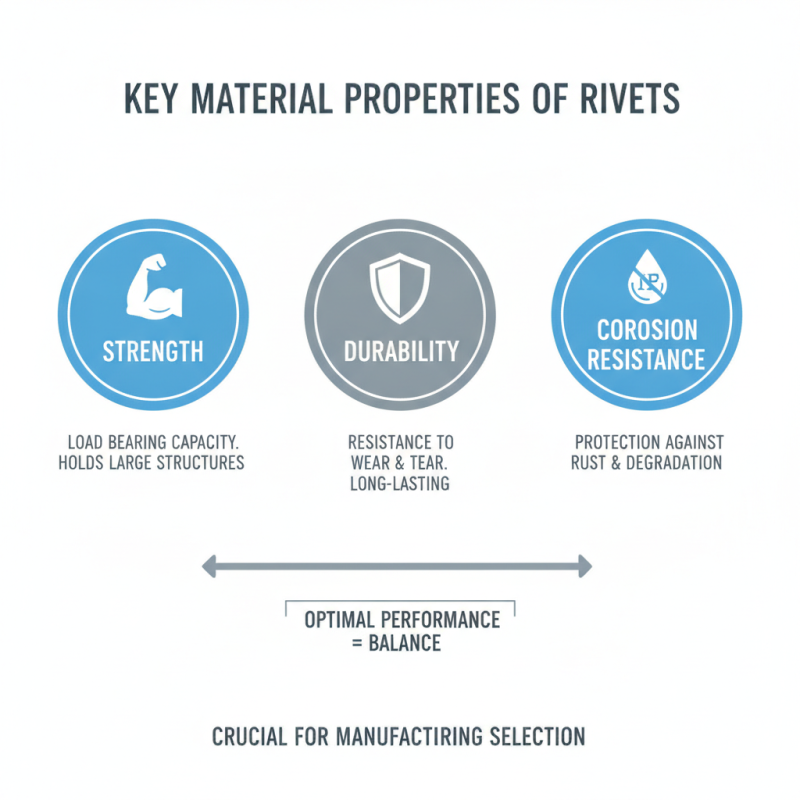
When selecting rivets for manufacturing, material properties are crucial. The strength of a rivet determines how much load it can bear. Stronger rivets can hold larger structures together effectively. However, strength should not compromise other properties.
Durability is another essential factor. Rivets must endure harsh conditions over time. If a rivet fails, it can lead to structural damage. Corrosion resistance plays a key role in maintaining durability. Many metals can corrode when exposed to moisture or chemicals. Choosing the right material helps ensure longevity.
Tip: Always consider the environment where the rivets will be used. For outdoor applications, choose corrosion-resistant options.
Rivets can vary significantly in performance. Testing different materials may reveal unexpected outcomes. It is wise to analyze failure cases in past projects. Learning from errors can lead to better choices in the future.
Tip: Regularly inspect rivets in existing structures. Early detection of wear can prevent larger issues.
Making informed choices about rivets greatly impacts manufacturing quality. Balancing strength, durability, and corrosion resistance is key for success.
Comparative Analysis: Rivet Types Used in Automotive vs Aerospace Industries
When comparing rivet types used in automotive and aerospace industries, notable differences emerge. The automotive sector predominantly utilizes blind rivets, which simplify assembly processes. According to a 2022 report, 68% of automotive manufacturers prefer these rivets for their efficiency in high-volume production. These rivets provide a strong hold while allowing for quicker application. However, they often fall short in extreme conditions, raising concerns about reliability.
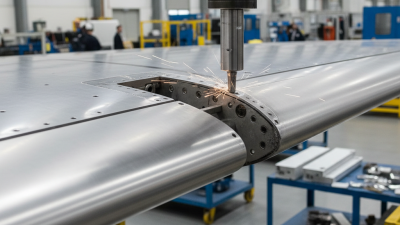
In contrast, aerospace industries favor solid rivets due to their superior strength and durability. A recent survey revealed that 72% of aerospace experts choose solid rivets for critical applications. These rivets withstand extreme temperatures and forces. Nonetheless, their installation requires skilled labor, leading to increased costs and longer assembly times. This reflects a trade-off between quality and efficiency, challenging manufacturers to find the right balance.
Overall, the choice of rivets shows how industrial needs dictate material selection. Automotive manufacturers focus on speed, while aerospace sectors prioritize strength. Each choice comes with its own set of challenges and considerations, highlighting the complexity of modern manufacturing demands. These insights underscore the importance of ongoing evaluations in rivet technology for evolving industry requirements.
China Best Rivets for Quality and Performance in Manufacturing? - Comparative Analysis: Rivet Types Used in Automotive vs Aerospace Industries
| Rivet Type |
Material |
Typical Use |
Strength (MPa) |
Weight (g) |
| Solid Rivet |
Aluminum |
Aerospace |
300 |
2.5 |
| Blind Rivet |
Steel |
Automotive |
450 |
3.0 |
| Fracture-Load Rivet |
Titanium |
Aerospace |
700 |
4.0 |
| Multi-Grip Rivet |
Aluminum |
Automotive |
350 |
1.8 |
| Countersunk Rivet |
Steel |
Aerospace |
400 |
3.5 |
Market Trends: Demand and Innovations in China's Rivet Industry
In recent years, China's rivet industry has experienced significant transformation. Manufacturers are increasingly focusing on automation and precision. This shift improves production efficiency and minimizes waste. The demand for high-quality rivets has surged, driven by expanding sectors like automotive and aerospace.
Innovations in materials are also noteworthy. Companies are investing in advanced materials that enhance strength and durability. These innovations meet strict industry standards and ensure long-lasting performance. However, not all manufacturers adapt equally to these changes. Some still rely on outdated methods, which may hinder their competitiveness in the global market.
The market is dynamic, with fluctuating demand patterns. Companies must stay informed on emerging technologies and consumer preferences. Continuous adaptation is essential. Addressing quality control challenges remains critical. As the industry evolves, balancing innovation with traditional practices will be a key challenge for many manufacturers.
China's Rivet Industry: Market Trends, Demand, and Innovations
Quality Control Standards: Ensuring Performance and Reliability of Rivets
In manufacturing, the quality of rivets is crucial for the integrity of structures. Quality control standards play a significant role in ensuring rivets meet specific performance criteria. Manufacturers must implement rigorous testing methods to verify the tensile strength and durability of their rivets. These tests often include bending, tension, and corrosion resistance assessments.
Performance issues in rivets can lead to severe safety concerns. If a rivet fails, the entire assembly may collapse. Manufacturers sometimes overlook defects due to tight timelines or cost-cutting measures. This negligence can compromise the quality and reliability of products. It’s essential to adopt comprehensive quality assurance protocols to address these risks.
Regular audits and inspections can enhance the reliability of rivets used in various applications. Incorporating feedback from end-users helps identify recurring issues. Continuous improvement should be part of any manufacturing process. Reliable rivets ensure safety and performance, but it requires commitment and vigilance to maintain these standards.






 Phone
Phone Send Email
 whatsapp
 Facebook
 Youtube