How to Choose the Best Anchors for Your Procurement Needs?
When it comes to procurement needs, choosing the best anchors is crucial. As expert John Smith, a leading figure in the anchoring industry, once said, “The right anchors make all the difference in outcomes.” This highlights the importance of selecting quality anchors that fit specific requirements.
Equipped with experience and knowledge, procurement professionals must evaluate each option carefully. Anchors affect not only stability but also safety in various applications. A poor choice can lead to detrimental results. Understanding the unique characteristics of different anchors is essential for making informed decisions. The field offers a variety of materials, sizes, and types, all suited for distinct purposes.
Without a doubt, the anchoring process requires careful consideration. It's not just about grabbing the first option available. The stakes are high, and every detail matters. The right anchors can enhance a project, while the wrong ones can hinder it. Reflecting on these choices can improve future procurement strategies, ensuring reliable outcomes.
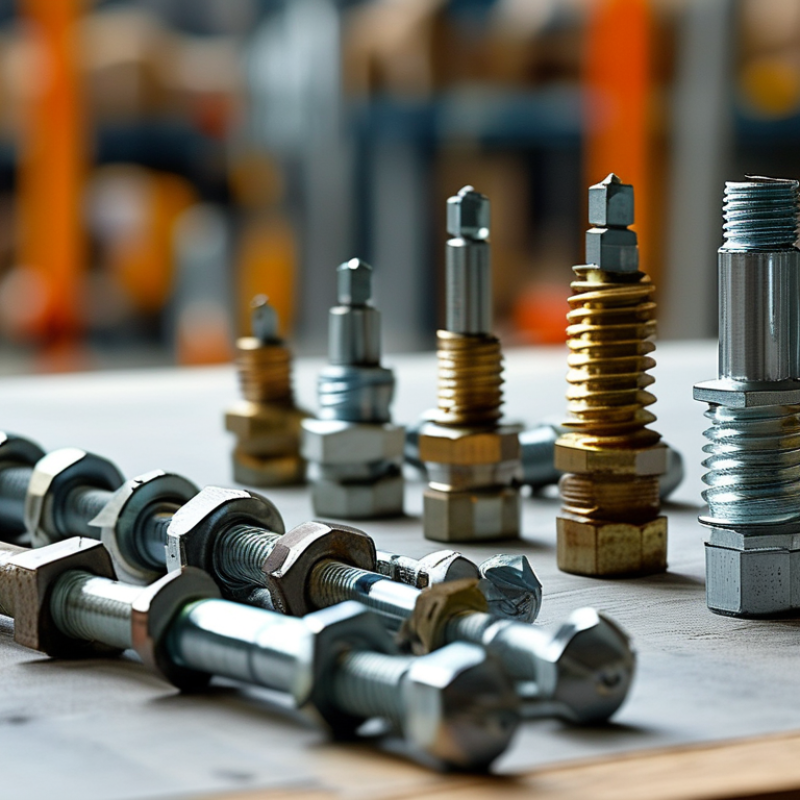
Understanding Different Types of Anchors for Procurement
Selecting the right anchors for procurement is essential for project success. Different types of anchors serve unique purposes within the supply chain. According to a recent report by the Institute for Supply Management, 67% of procurement professionals face challenges in aligning anchor strategies with overall business goals. Understanding these various options can help streamline operations.
Standard anchors like Kraljic's Matrix offer a framework for categorizing suppliers based on risk and impact. This tool is effective for prioritizing supplier relationships but may oversimplify complex procurement scenarios. Anchors focused on sustainability have become increasingly relevant. A 2022 survey revealed that 58% of companies now integrate environmentally friendly criteria into their supplier evaluation process. However, not all organizations are ready to adapt to these standards.
Another emerging anchor type is digital procurement solutions. These platforms provide data analytics and improve supplier communication, leading to better decision-making. Yet, reports suggest that 42% of companies still lack digital maturity in their procurement processes. This gap can inhibit efficiency and responsiveness in a rapidly changing market. Understanding these different anchor types equips professionals to make informed decisions, yet the journey to effective procurement continues to require reflection and adjustment.
Evaluating Anchor Strength and Durability for Specific Needs
When selecting anchors for procurement needs, evaluating their strength and durability is crucial. The right choice can greatly impact safety and effectiveness in various applications. According to the International Association of Anchoring Technology, the right anchor must meet specific load requirements. For instance, anchors designed for concrete often need to withstand a tensile strength of at least 1,800 pounds.
Durability is another critical factor. Many anchors are made from steel, which offers high strength. However, exposure to elements can lead to rust and decay. The American Concrete Institute estimates that corrosion can reduce the anchor's effectiveness by up to 50% over time. Some anchors incorporate protective coatings, but their longevity can vary widely. Testing under real-world conditions is essential to ensure they meet the expected standards.
Despite the availability of different anchor types, widespread misunderstandings persist. For instance, some may assume that heavier anchors are always more durable. However, durability depends on material quality and environmental conditions, not just weight. Procurement experts should be wary of common misconceptions and remain informed about advancements in anchoring technologies to make the best choices.
Anchor Strength Comparison for Procurement Needs
Assessing Cost vs. Quality in Anchor Selection
Selecting the right anchors for procurement involves a careful evaluation of cost versus quality. High-quality anchors often come at a premium price but can save costs in the long run. When an anchor fails due to poor quality, additional expenses arise. Understanding the balance is crucial for effective procurement.
Many buyers often overlook the hidden costs of cheap anchors. Lower initial costs may lead to frequent replacements or repairs. This can disrupt operations and even lead to safety hazards. Evaluating durability and performance is essential before making a decision.
Tips: Always assess the material of the anchor. Steel anchors offer strong support for heavy loads, while plastic anchors are suitable for lighter applications. Don’t ignore user reviews or case studies; they can provide real-world insights. Testing a small batch first might be wise to evaluate their performance.
Consider the weight capacity required for your specific situation. It’s important to ensure that the chosen anchors can handle the expected loads without compromising safety. This may require rejecting some lower-quality options, even if they seem appealing. Reflect on your project's long-term goals and not just immediate savings. Quality should be a priority in your selection process.
How to Choose the Best Anchors for Your Procurement Needs? - Assessing Cost vs. Quality in Anchor Selection
| Anchor Type |
Cost per Unit |
Quality Rating (1-10) |
Material |
Durability (Years) |
| Expansion Bolt |
$0.50 |
7 |
Steel |
5 |
| Sleeve Anchor |
$1.00 |
8 |
Zinc Coated |
7 |
| Concrete Screw |
$0.75 |
6 |
Carbide |
6 |
| Lag Shield |
$0.80 |
7 |
Aluminum |
8 |
| Toggle Bolt |
$1.20 |
9 |
Steel |
4 |
Considerations for Environmental Impact and Sustainability
When considering procurement anchors, evaluating their environmental impact is crucial. Many industries increasingly prioritize sustainability in their sourcing decisions. According to a report by the Global Supply Chain Council, about 75% of procurement professionals now view sustainability as a key factor in supplier selection. This shift highlights the importance of making informed choices that benefit both the business and the environment.
Sustainable anchors often include recycled materials or environmentally friendly options. However, the supply chain's complexity can obscure the ecological footprint of these products. A recent study showed that nearly 30% of companies underestimate their carbon emissions due to lack of transparency from suppliers. Procurement teams must engage in rigorous assessments to ensure their anchors align with sustainability goals without compromising quality.
Furthermore, operational challenges remain evident. Many organizations struggle with incorporating sustainability into their procurement framework. Insufficient data and unclear guidelines can hinder effective decision-making. Companies should consider investing in training for staff to bridge knowledge gaps. Engaging stakeholders can foster a culture of environmental awareness. This effort ensures that sustainability becomes a priority throughout the procurement process.
Choosing the Right Anchor for Various Applications and Materials
Choosing the right anchor for various applications and materials is crucial. Each project demands different types of anchors based on the surface and load requirements. For instance, concrete requires heavy-duty anchors that can withstand significant weight. Expansion anchors are ideal for this, offering strength and reliability.
On the other hand, drywall needs lighter anchors. Plastic expansion anchors can be effective, but toggles provide more support for heavier items. A common mistake is using the wrong anchor type, which can lead to failures. Always consider what the material is and the weight it needs to hold.
Reflection on past projects often reveals the importance of thorough planning. Anchoring mistakes can be costly and time-consuming. Researching specific anchor types based on application context is key. Holding a variety of anchors in your toolkit can prevent last-minute issues. Trust experience and detailed assessments to determine the best anchors for your projects.





 Phone
Phone Send Email
 whatsapp
 Facebook
 Youtube