Why Bolts Are Essential for Construction and Engineering Projects?
Bolts are fundamental components in construction and engineering. They ensure stability and integrity in various structures. According to the Construction Industry Institute, nearly 80% of construction failures can be traced back to fastener issues, including bolts. This statistic highlights their importance in any project.
In 2021, the global bolts market was valued at approximately $23 billion, demonstrating their widespread use. As structures become more complex, the demand for high-quality bolts grows. Engineers rely on bolts for critical connections and load-bearing capacities. However, choosing the right type can be daunting.
Many bolts are designed for specific applications. Using an inappropriate bolt can lead to failures. Despite advancements, there is still room for improvement in manufacturing processes and standards. Each project requires careful consideration of bolt specifications to prevent future issues. As a result, the continuous assessment of bolt performance remains essential in the construction industry.

Importance of Bolts in Structural Integrity of Buildings
Bolts play a crucial role in the structural integrity of buildings. These seemingly simple fasteners connect various elements, ensuring stability and durability. A well-designed structure depends on the right type of bolts to bear loads and resist environmental stresses. They offer reliable connections that are essential for safety.
In large construction projects, bolts are often subjected to significant forces. Their performance can affect the entire structure’s safety. For instance, improper bolt selection can lead to failures. Rusting or corrosion can weaken bolts over time, posing serious risks. Regular inspections and maintenance are vital to ensure their effectiveness.
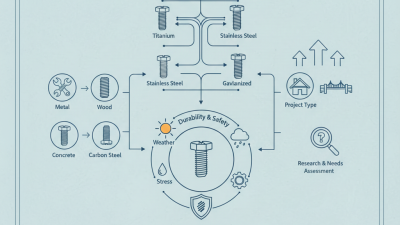
Engineers must consider factors like material, size, and grade when choosing bolts. Each application requires specific qualities to meet performance standards. However, relying solely on standard solutions may overlook unique project needs. Innovations in bolt design are continually developing, which offers exciting possibilities. Balancing these innovations with time-tested practices is essential for construction success.
Types of Bolts Used in Construction and Engineering Applications
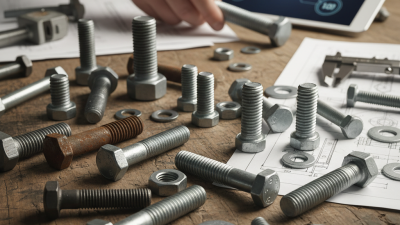
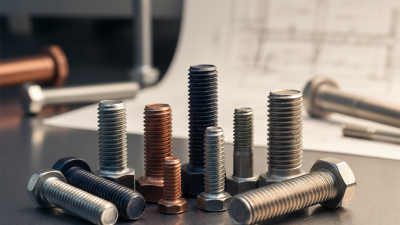
Bolts are vital in construction and engineering. Different types of bolts serve specific functions. Common categories include hex bolts, lag bolts, and anchor bolts. Each has unique properties that cater to various construction needs.
Hex bolts are widely used due to their strength and versatility. According to industry reports, they are ideal for heavy-duty applications. Their hexagonal head allows for easy tightening, ensuring robust connections. In contrast, lag bolts are designed for wood projects. They provide a stronger grip and are essential for supporting heavy loads.
Anchor bolts are critical for securing structures to concrete. They prevent movement and instability, which can lead to structural failure. A report from the Structural Engineering Institute indicates that improper use of anchor bolts can compromise safety. Understanding each bolt's application is crucial. While choosing the right bolt seems straightforward, many overlook factors like load capacity and environmental conditions. This oversight can lead to dire consequences in engineering projects.
Manufacturing Process and Material Composition of Bolts
Bolts play a vital role in construction and engineering. Their manufacturing process and material composition significantly influence their performance. Typically, bolts are made from carbon steel, stainless steel, or alloy steel. Each material has unique properties, which cater to various applications. For instance, carbon steel, with a tensile strength of up to 300 MPa, is often used for general construction.
The manufacturing process begins with selecting the right raw material. The steel is heated and forged to create the desired shape. Heat treatment follows to enhance strength and durability. Processes like cold heading shape the bolt while maintaining material integrity. These steps ensure that bolts can withstand high loads and stress without failure. In fact, data from the ASTM standards indicate that quality bolts meet specific tensile and yield strength requirements, ensuring reliability in critical applications.
Tip: Always verify the material specifications of bolts for your project. Each project has unique demands. Choosing the wrong material can lead to catastrophic failure.
It's essential to consider that not all bolts are created equal. Variations in the manufacturing process can lead to inconsistencies. In some cases, flaws occur during forging or heat treatment. Regular inspections are crucial to catch these issues early. By being proactive, engineers can prevent costly mistakes down the line.
Tip: Establish a routine inspection protocol for bolts in your projects. This ensures adherence to safety and quality standards.
Why Bolts Are Essential for Construction and Engineering Projects
| Bolt Type |
Material Composition |
Manufacturing Process |
Common Applications |
Strength Rating |
| Hex Bolt |
Carbon Steel |
Cold Forging |
Construction, Machinery |
Grade 5 |
| Lag Bolt |
Stainless Steel |
Machining |
Woodworking, Heavy Equipment |
Grade 2 |
| Carriage Bolt |
Alloy Steel |
Hot Forging |
Furniture, Construction |
Grade 8 |
| Shoulder Bolt |
Chromoly Steel |
CNC Machining |
Precision Applications |
Grade 10.9 |
| Shoulder Bolt |
Corrosion-Resistant Alloy |
Cold Heading |
Marine, Aerospace |
Grade 12.9 |
Common Applications of Bolts in Various Engineering Projects
Bolts play a critical role in construction and engineering projects, serving as key components that provide stability and strength. Their applications are diverse, spanning from residential buildings to complex infrastructure. In bridges, bolts connect beams and trusses, ensuring structural integrity. According to a report by the American Institute of Steel Construction, over 90% of steel structures utilize bolts for key connections.
In mechanical engineering, bolts secure machinery components. They are essential in maintaining the performance and reliability of machines. In fact, the International Organization for Standardization estimates that improperly installed bolts contribute to 20% of mechanical failures. This highlights the importance of proper installation techniques.
Tip: Always use the right torque settings when fastening bolts. This practice helps prevent loosening and failure. Regular inspections can also identify wear or damage. Maintaining a checklist during these inspections can ensure none of this critical work is overlooked. The investment in quality bolts and proper installation pays off with longevity and safety in projects.
Best Practices for Bolt Installation and Maintenance in Construction
When it comes to construction, proper bolt installation is vital. According to the American Institute of Steel Construction, nearly 30% of structural failures are attributed to improper bolt maintenance and installation. This statistic highlights the need for adherence to established guidelines. An example of best practice includes ensuring the correct tension is applied during installation. Over-tightening can lead to bolt failure, while too little tension can result in joint looseness.
Regular inspections should also be part of maintenance protocols. The National Association of Corrosion Engineers emphasizes that bolt corrosion can significantly impact structural integrity. Implementing a schedule for inspections can mitigate this risk. It's also important to use appropriate coatings to enhance longevity and prevent rust.
Training workers on bolt installation techniques is crucial. A well-informed team can identify issues early. For instance, a recent construction site survey reported that 15% of workers felt unprepared to handle specific bolt types. This gap in knowledge can lead to costly mistakes. Investing in education fosters a culture of excellence in safety and quality.
Importance of Bolt Types in Construction
This chart illustrates the different types of bolts used in construction and their applications. Steel bolts dominate the market due to their strength and versatility, while stainless steel bolts are chosen for their corrosion resistance. High strength bolts, anchor bolts, and glass fiber bolts serve specialized purposes with lower overall market shares.




 Phone
Phone Send Email
 whatsapp
 Facebook
 Youtube