Top Fasteners in China Best Options for Quality and Durability?
The fastener industry in China is experiencing significant growth, driven by demand across various sectors. According to a recent report by MarketsandMarkets, the global fasteners market is projected to reach $105.4 billion by 2027, with China being a key player. Understanding the factors contributing to quality and durability in fasteners is essential for manufacturers and consumers alike.
Expert insights further highlight this importance. Dr. John Parker, a leading authority in fastener technology, stated, "Quality fasteners not only ensure safety but also enhance product longevity." His perspective emphasizes the need to focus on sourcing high-quality fasteners to meet industry standards.
Despite the growth, challenges remain. Some manufacturers struggle to balance cost and quality, leading to potential reliability issues. As firms seek high-performance fasteners, identifying the best options in China becomes crucial, encouraging a thorough evaluation of available products.
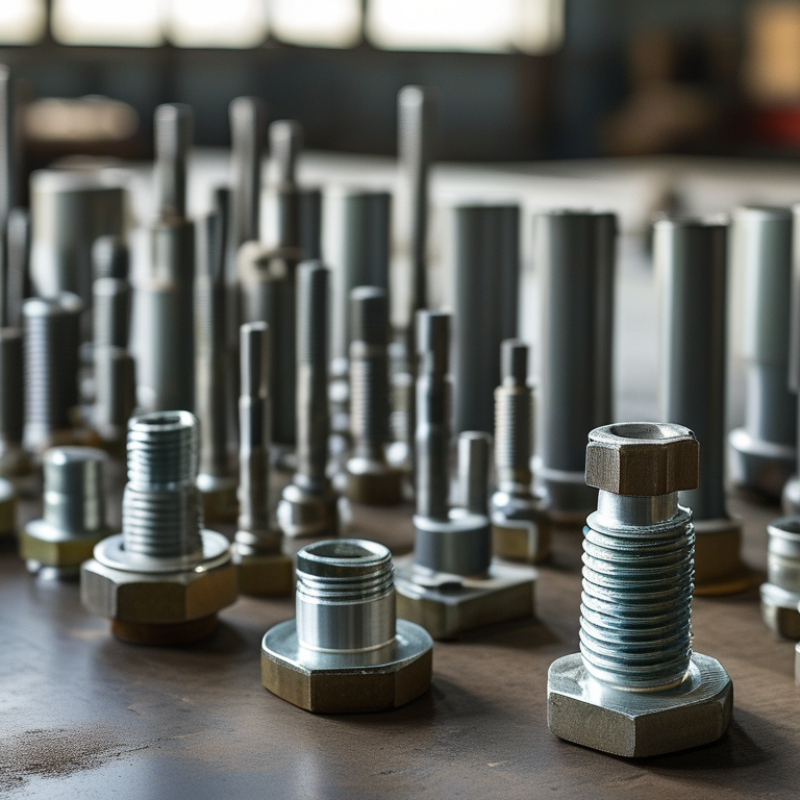
Overview of Fasteners Used in China
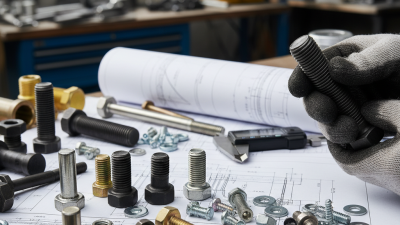
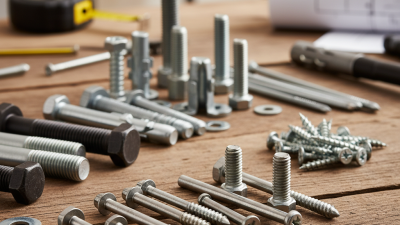
Fasteners play a crucial role in various industries in China. They are vital for construction, manufacturing, and even automotive sectors. Common fasteners include screws, bolts, nuts, and washers. Each type serves a specific purpose, contributing to the overall functionality of products and structures. The selection often depends on material, size, and strength requirements.
When discussing fasteners, we should consider their quality and durability. Some fasteners corrode over time, especially in harsh environments. This can lead to failures, which are costly. China produces both high-quality and low-quality options. Therefore, choosing reliable sources for fasteners is essential. Many companies still overlook this aspect, which can result in severe repercussions.
By focusing on quality materials, users can prevent premature wear and failure. However, the market is flooded with choices, making it challenging to navigate. A professional understanding of the materials used in fasteners can lead to better decision-making. It’s crucial to weigh options carefully. Users must ask questions and address uncertainties in their choices to ensure safety and efficiency in their projects.
Factors Influencing Quality and Durability in Fasteners
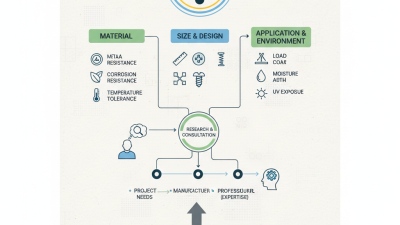
When choosing fasteners, several factors affect their quality and durability. The material used is critical. For example, stainless steel is known for its resistance to corrosion, while carbon steel offers strength. The manufacturing process also plays a significant role. Precision in machining and surface treatment enhances performance and longevity.
Environmental conditions impact fastener longevity. Exposure to moisture, salt, or extreme temperatures can lead to degradation. Assessing the application site is essential. Workers must ensure that fasteners are chosen based on their operational context. Inadequate attention to this might result in premature failure.
Testing standards are vital in assessing fastener quality. Different tests measure tensile strength and fatigue resistance. Manufacturers who skip this stage might deliver subpar products. End-users should inquire about certifications and testing processes. Continuous improvement in material sciences is necessary, allowing for innovations in fastener technology, balancing cost and performance.
Top Manufacturers of Fasteners in China
China has emerged as a key player in the global fastener industry. Many manufacturers are known for their expertise in producing high-quality fasteners. These products are crucial in construction, automotive, and aerospace sectors. Each manufacturer may specialize in different fasteners, ensuring a wide selection for clients.
While many companies offer durable options, not all maintain consistent quality. Some fasteners may not meet international standards. It's essential for buyers to research and choose a manufacturer with proven reliability. Check certifications and customer reviews to gauge quality. Engaging with industry experts can also provide valuable insights into the best manufacturers.
Quality control remains a challenge for some manufacturers. Flaws in production can lead to weakened fasteners. This emphasizes the importance of thorough inspections and testing. It is advisable to develop a relationship with trustworthy suppliers. This can help ensure the fasteners used meet the highest durability standards. A cautious approach can yield the best outcomes in the long run.
Top Fasteners in China: Best Options for Quality and Durability
Comparison of Different Types of Fasteners
When comparing different types of fasteners, it's essential to consider the material and design. Screws, bolts, and rivets serve distinct purposes in construction and manufacturing. Screws typically provide strong holding power, while bolts excel in high-stress applications. Rivets, on the other hand, are invaluable in sectors like aviation for their durability.
Material choice significantly impacts performance and longevity. Stainless steel fasteners resist corrosion, making them ideal for outdoor use. Conversely, plastic fasteners may offer lightweight solutions but often lack the strength needed for critical applications. Furthermore, the finish on these fasteners can influence their effectiveness. For example, zinc plating enhances resistance to rust yet may not withstand extreme environments.
The manufacturing process also plays a role in quality. Many fasteners are mass-produced, leading to potential inconsistencies. It's crucial to scrutinize suppliers for their quality control practices. Some manufacturers may have outstanding reputations, but others might not meet the industry's stringent standards. Ultimately, making an informed choice about fasteners requires careful evaluation of these factors.
Top Fasteners in China Best Options for Quality and Durability
| Type of Fastener |
Material |
Strength (MPa) |
Corrosion Resistance |
Typical Applications |
| Bolt |
Carbon Steel |
400 |
Moderate |
Construction, Machinery |
| Screw |
Stainless Steel |
600 |
High |
Automotive, Consumer Products |
| Nut |
Alloy Steel |
450 |
Moderate |
Heavy Machinery, Construction |
| Washer |
Plastic |
N/A |
Low |
Electronics, Light Fixtures |
| Rivet |
Aluminum |
300 |
Moderate |
Aerospace, HVAC |
Market Trends and Innovations in the Chinese Fastener Industry
The Chinese fastener industry is experiencing notable growth, driven by evolving market demands and technological innovations. Key trends indicate a shift towards high-performance materials, enhancing durability and reliability. Manufacturers are increasingly adopting advanced manufacturing techniques to improve production efficiency. This focus on innovation is vital in a highly competitive market, where quality is paramount.
Recent developments include an emphasis on sustainable practices. Many producers are exploring eco-friendly materials and processes to meet environmental standards. While these initiatives are promising, some companies face challenges integrating sustainability with cost-effective production. As the market evolves, balancing these aspects will be crucial for sustained success.
Moreover, automated solutions are gaining traction. Automation enhances precision and reduces labor costs. However, transitioning to fully automated systems can be complex and expensive. The industry must carefully assess this shift's return on investment. Overall, the trends in the fastener sector reflect a dynamic landscape, poised for both opportunities and challenges in the coming years.


 Phone
Phone Send Email
 whatsapp
 Facebook
 Youtube