2026 Best Fasteners for Every Project Need and Application?
In any project, the choice of fasteners can greatly influence the outcome. From woodworking to metalwork, the right fasteners ensure durability and functionality. This guide explores the best fasteners for diverse applications in 2026.
Different tasks require different types of fasteners. Screws, nails, bolts, and anchors each serve unique purposes. Selecting the correct one may seem straightforward, yet many overlook this vital choice. Quality fasteners can enhance structure and safety. Conversely, poor choices lead to failures.
Understanding the nuances of fasteners is crucial. Material, size, and tensile strength matter significantly. For instance, stainless steel fasteners offer corrosion resistance in outdoor projects. The wrong type can compromise long-term integrity. Selecting fasteners requires both knowledge and careful consideration. This guide aims to illuminate those decisions.
Overview of Fasteners and Their Importance in Projects
Fasteners play an essential role in various projects, often overlooked yet critical. They ensure structural integrity and stability in everything from furniture assembly to construction. Nail, bolt, and screw types offer distinct advantages depending on the application. Knowing which fastener to use can significantly affect a project’s success.
Choosing the appropriate fastener can sometimes be confusing. Factors include material, size, and load-bearing capacity. Misalignment or improper selection can lead to failure. For instance, using a metal bolt in a wooden surface without pre-drilling can split the wood. These small missteps can have larger consequences.
Understanding fasteners’ importance requires both practical experience and technical knowledge. Designers often spend years refining their approach to fastening techniques. Every detail matters. Failing to analyze the intended load or environmental conditions can render a project ineffective. Continuous evaluation and learning are crucial for improvement.
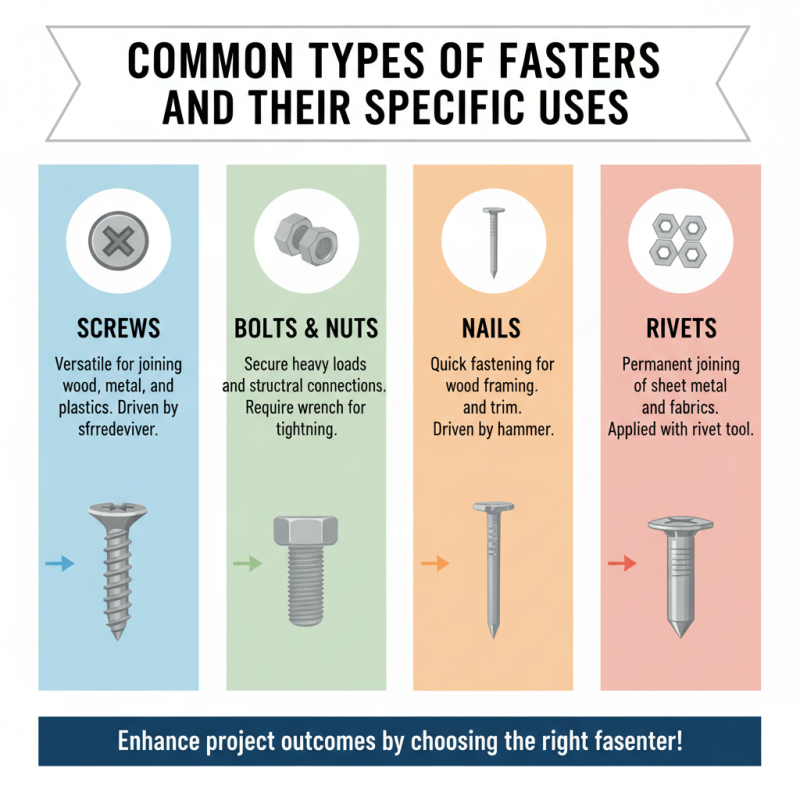
Common Types of Fasteners and Their Specific Uses
Fasteners play a critical role in construction and repairs. Various types serve specific functions in diverse applications. Understanding these can enhance project outcomes significantly.
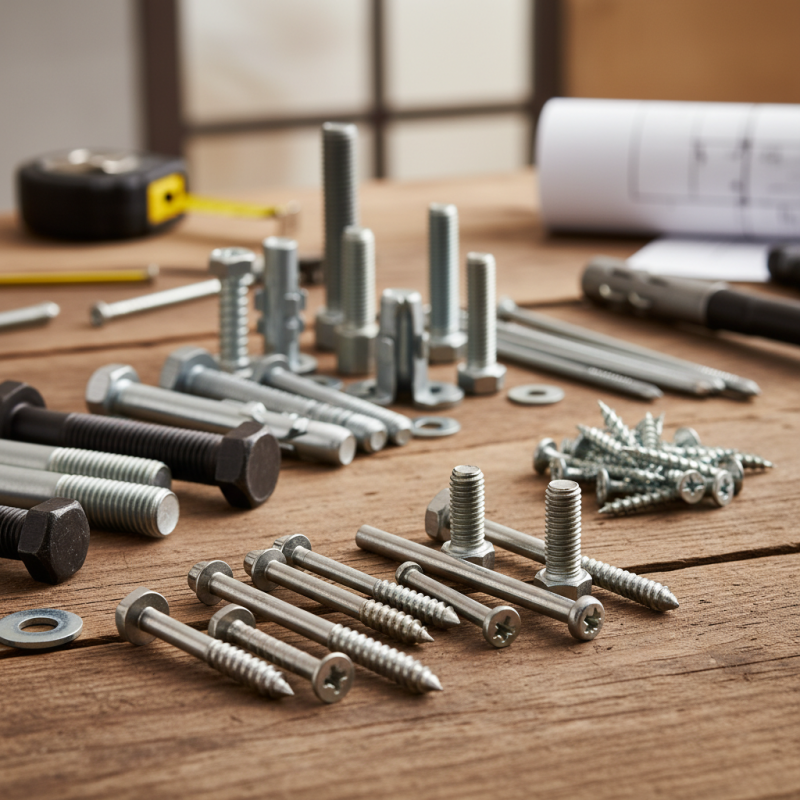
Common fasteners include screws, bolts, and nails. Screws provide a secure hold in wood and other materials. They come in numerous sizes and types, catering to different projects. Bolts, often used with nuts, offer strength in fastening heavy structures. They’re essential in metalworking and larger constructions. Nails, while simple, can be surprisingly versatile. Their quick application makes them ideal for temporary fixes.
It's important to consider material choices too. Stainless steel is resistant to rust, while carbon steel is strong but may corrode. Each choice should reflect the project’s environment and longevity requirements. Often, people overlook the necessity of proper fasteners. This oversight can lead to structural failures or costly repairs. Careful selection and understanding of fasteners can prevent these pitfalls.
Factors to Consider When Choosing Fasteners for Projects
When selecting fasteners for a project, several factors come into play. The material type is crucial. Steel, brass, and plastic each offer different strengths and weaknesses. Steel may be strong but can corrode without proper treatment. Plastic fasteners resist rust but might not handle heavy loads effectively.
The environment also impacts your choice. If the fasteners will be exposed to moisture, corrosion-resistant options are vital. Consider the temperature and exposure to chemicals as well. Every project has unique requirements that influence the effectiveness of the fasteners used.
Another factor is load-bearing capacity. Small fasteners work for light tasks, but heavy-duty applications demand stronger alternatives. Installation ease is worth pondering, too. Some fasteners require special tools. Reflect on the project specifics. Every detail matters. Ultimately, the goal is to ensure safety and durability in your construction efforts.
2026 Best Fasteners for Every Project Need and Application
| Fastener Type |
Best Material |
Typical Use |
Key Features |
| Screws |
Steel |
Wood and Metal Assembly |
High tensile strength, versatile |
| Nails |
Galvanized Steel |
Framing and Carpentry |
Quick installation, cost-effective |
| Bolts |
Stainless Steel |
Heavy-duty applications |
Strong and reliable fastening |
| Anchors |
Polymer |
Concrete and Masonry |
Ideal for heavy loads, corrosion-resistant |
| Rivets |
Aluminum |
Sheet Metal Assembly |
Permanent fastening, no threaded holes needed |
| Washers |
Steel |
Support for screws and bolts |
Distributes load, prevents loosening |
Top 2026 Fastener Brands and Products for Various Applications
In 2026, the fastener industry continues to evolve, catering to diverse applications across various sectors. According to a report from Grand View Research, the global fasteners market is expected to reach $120 billion by 2027. This growth underscores the increasing demand for innovative and reliable fastening solutions.
Construction, automotive, and electronics industries are the major consumers, emphasizing the need for quality fasteners that enhance safety and performance.
Top brands compete in this market by introducing specialized fasteners that serve specific needs. For instance, corrosion-resistant fasteners are critical for outdoor construction projects. The report highlights that nearly 30% of end-users cite durability as a key decision factor. Yet, not all fasteners deliver the promised performance. Some users report premature failures, leading to costly downtime. Understanding materials and specifications becomes essential for making informed choices.
Moreover, sustainability is becoming a pivotal concern. More manufacturers are focusing on eco-friendly materials. However, the transition can lead to inconsistencies in quality. A selective approach is required to ensure that performance does not compromise. Industry professionals must remain vigilant and continuously seek improvements in both product quality and application techniques.
Tips for Proper Fastener Installation and Maintenance
When it comes to fasteners, proper installation is crucial for performance. A misaligned screw or a loose bolt can lead to structural failures. Always ensure that you select the right fastener for your specific project. The material and size impact how well the fastener will hold. For instance, using a stainless steel fastener is often an excellent choice for outdoor applications. However, make sure to avoid over-tightening, which can strip threads and weaken connections.
Maintaining fasteners is just as important as installation. Regularly inspect your fasteners for signs of wear or corrosion. If you notice any damage, replace them promptly. Lubrication can improve performance and reduce wear. Always consider environmental factors that might affect your fasteners, such as moisture or temperature changes.
One tip for installation is to pre-drill holes when necessary. This technique can prevent wood from splitting and ensure a snug fit. Using the correct tools can also drastically improve the outcome, as a power drill works better than manual methods for large projects. Remember, an improper installation can lead to costly rework. Taking time to do it right the first time saves effort later.
2026 Best Fasteners for Every Project Need and Application



 Phone
Phone Send Email
 whatsapp
 Facebook
 Youtube