2026 Best China Fasteners for Quality and Reliability in Construction
In the construction industry, the choice of fasteners is crucial. 2026 has brought a new wave of innovations in China fasteners. These products are essential for ensuring the safety and durability of structures. With quality and reliability at the forefront, engineers must understand their options.
China fasteners have gained a reputation for both performance and cost-effectiveness. However, the market is vast. Not every supplier maintains the same standards. Therefore, stakeholders need to do thorough research. Some brands promise high quality but fail to deliver. Prioritizing quality over price is vital for long-term success.
As we explore the best China fasteners for 2026, we must consider various factors. Material composition, corrosion resistance, and tensile strength are key elements. Understanding these aspects helps in making informed decisions. Yet, it is also important to remain critical of claims made by manufacturers. Quality assurance processes should never be overlooked.
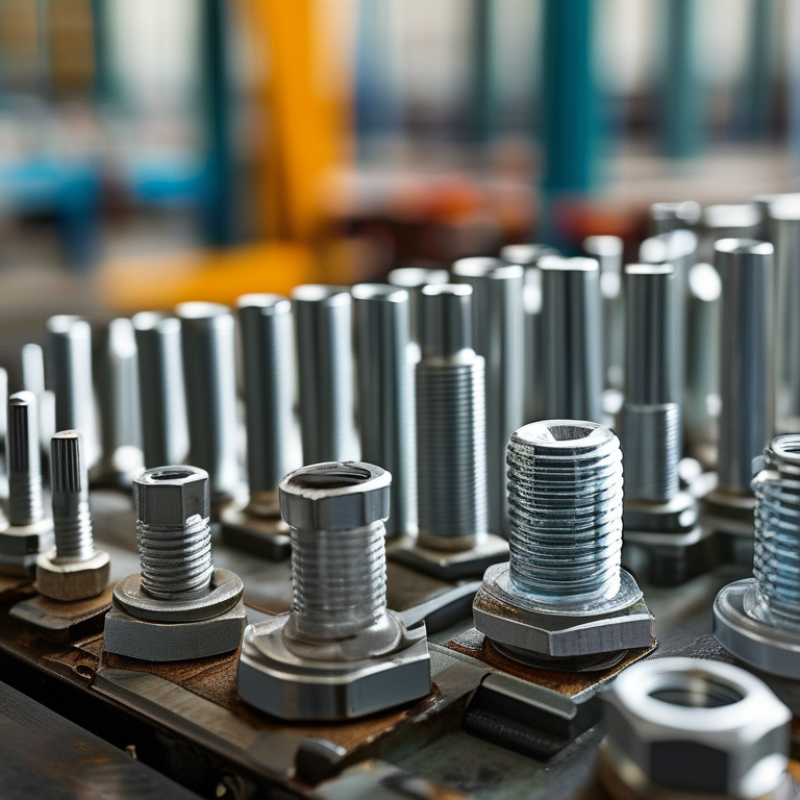
Overview of Fasteners Used in Construction Industry
The construction industry relies heavily on fasteners for structural integrity and safety.
In 2021, the global fastener market was valued at approximately $90 billion. This demand reflects the pivotal role of fasteners in everything from residential builds to large infrastructures. Fasteners, including screws, bolts, and anchors, are essential for securing various materials together. Proper selection based on load requirements, environment, and material compatibility is crucial.
Quality fasteners must withstand various stresses. For instance, in seismic regions, fasteners must endure high levels of tension and shear forces. Even minor failures can lead to catastrophic results, highlighting the need for rigorous testing and compliance with standards such as ISO and ASTM. Many manufacturers are expanding their product ranges to meet these specifications. However, issues still arise with counterfeit products infiltrating the market, raising concerns about reliability.
A recent study indicated that nearly 25% of construction defects relate to poor fastener performance. This points to the necessity for better education on fastener selection and usage among construction professionals. The industry must address these vulnerabilities to improve site safety and construction quality. Craftsmanship combined with reliable fasteners sets a strong foundation for lasting structures.
Key Characteristics of Quality Fasteners
When it comes to construction, the right fasteners are essential. Quality fasteners must meet specific criteria. One characteristic is material strength. Fasteners made from high-quality steel offer durability. They resist deformation under heavy loads. Corrosion resistance is another vital factor. Fasteners used outdoors need to withstand the elements. Coatings like zinc plating can enhance their longevity.
Moreover, precision in manufacturing matters significantly. Well-made fasteners fit perfectly with other components. This ensures structural integrity and safety. The threading on bolts should be consistent for reliable performance. Third-party testing can provide reassurance of quality. It’s important to check certifications indicating adherence to safety standards. Choosing products based on these characteristics leads to better outcomes.
However, not all fasteners are created equal. Some may look good but fail in real-world applications. A thorough examination of specifications is necessary. This requires experience and expertise in the field. Relying on unverified suppliers can lead to costly mistakes. Quality should always come before price. A small oversight can result in serious issues on site.
Top Manufacturers of Fasteners in China
When it comes to construction, fasteners play a crucial role. In China, the manufacturing industry offers a variety of fasteners known for their quality and reliability. Top manufacturers focus on precision engineering. They use advanced technology in production. This ensures each fastener meets strict standards.
Many manufacturers emphasize quality control. They implement rigorous testing processes. However, some may still struggle with consistency. This can lead to occasional quality issues. Yet, numerous reliable options exist. Look for producers with a solid reputation in the industry. They often have certifications that verify their claims and reassure buyers.
The array of fasteners available is impressive. You can find options for every construction need. From screws to bolts, the variety speaks to the innovative spirit of the industry. However, navigating this landscape can be challenging. It's essential to weigh options carefully. As construction demands evolve, manufacturers continually adapt. They strive to improve and respond to changing market needs.
2026 Best China Fasteners for Quality and Reliability in Construction
| Type of Fastener |
Material |
Size Range (mm) |
Coating Type |
Tensile Strength (MPa) |
Applications |
| Bolt |
Carbon Steel |
8-30 |
Zinc Plated |
400 |
Construction, Machinery |
| Nut |
Stainless Steel |
5-20 |
Black Oxide |
600 |
Automotive, Electrical |
| Screw |
Alloy Steel |
3-50 |
Galvanized |
500 |
Furniture, Electronics |
| Washer |
Copper |
6-30 |
None |
300 |
Plumbing, Construction |
| Anchor |
Concrete |
10-40 |
None |
700 |
Construction, Heavy Duty |
Evaluation of Fastener Reliability in Construction Projects
In construction, fasteners are crucial for ensuring structural integrity. Reliable fasteners can withstand various stresses. They connect elements, keeping everything together and secure. However, not all fasteners are created equal. Their performance varies depending on materials, coatings, and even manufacturing processes.
Evaluating fastener reliability involves several factors, including tensile strength, corrosion resistance, and fatigue life. Fasteners must endure environmental changes and construction stresses. For instance, exposure to moisture can lead to rust. This can weaken fasteners over time, risking the entire structure. It is surprising how often inadequate fasteners lead to costly repairs.
Construction professionals often overlook the importance of thorough testing. Relying on generic specifications can be misleading. Custom evaluations based on project needs are essential. More research is needed to understand how different fasteners perform in specific situations. Ignoring these factors could lead to safety issues down the road. Ultimately, making informed decisions is key for reliable constructions.
Emerging Trends in Fastener Technology for Future Use
Emerging trends in fastener technology are reshaping the construction industry. Innovations focus on enhanced durability and sustainability. Many manufacturers explore new materials that boast greater strength. These materials often reduce the need for frequent replacements. Customers are more aware of their environmental impact today.
4D printing is gaining traction in fastener production. This technology offers customization options not possible with traditional methods. With 4D printing, fasteners can adapt to changing environmental conditions. However, this technology is still in its infancy, requiring further research.
Smart fasteners are another exciting trend. They integrate sensors to monitor structural integrity in real time. These fasteners can alert builders to potential issues. While promising, the cost and complexity of these systems pose challenges. Despite these hurdles, the construction industry recognizes their potential for improving safety and reliability.





 Phone
Phone Send Email
 whatsapp
 Facebook
 Youtube