China Best Screws for Global Buyers What Should You Look For
When considering the best screws from China, it is crucial to understand the diverse options available. James Stevens, a seasoned expert in the fastener industry, once said, "Quality screws are the backbone of any successful project." His insight highlights the importance of selecting the right materials and designs.
For global buyers, the sheer variety of screws can be overwhelming. Different projects require different specifications. Corrosion resistance, material strength, and thread design are just a few factors to consider. Additionally, manufacturing processes vary. Chinese manufacturers often utilize advanced technologies, ensuring high precision and durability. However, not all suppliers meet these high standards. Unfortunately, some may compromise on quality to reduce costs.
Ensuring that your chosen screws align with your project requirements demands careful research. Engage with suppliers who provide transparent information about their products. Assessing their certifications and customer reviews can help buyers make informed decisions. Quality control should not be an afterthought; it’s vital for lasting impact and safety in construction and manufacturing.
Understanding the Types of Screws Available in China
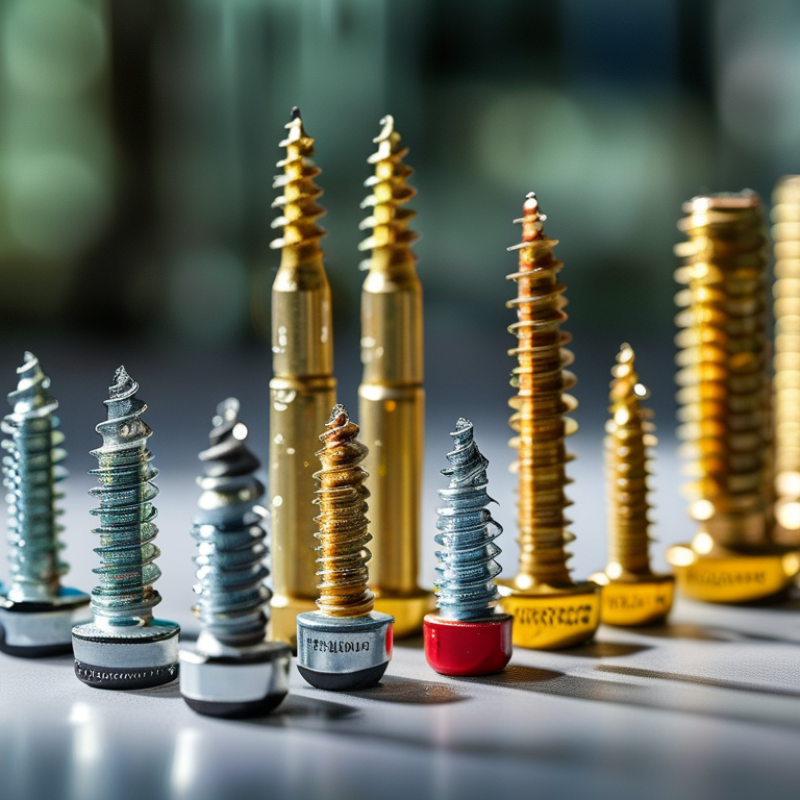
When considering screws sourced from China, it's essential to understand the different types available in the market. There are various materials, such as stainless steel, carbon steel, and plastic. Each material offers unique properties, affecting durability and corrosion resistance. For instance, stainless steel screws resist rust, making them ideal for humid or marine environments.
Screw types are diverse. Wood screws feature sharp threads for easy penetration in wood. Machine screws have uniform threads suited for coupling with nuts. Self-tapping screws create their own hole, simplifying installation. Many buyers might overlook the importance of screw heads as well. Choices like Phillips, flat, or hex heads can influence the ease of use and tool compatibility. A well-informed buyer should evaluate these aspects carefully.
While sourcing screws, remember that not all products meet international quality standards. Some manufacturers may cut corners, compromising safety. It's vital to ask for certifications and test reports. Inspect samples when possible. Quality assurance should be a priority. Engaging with knowledgeable suppliers can lead to better decisions. Researching thoroughly will enhance your sourcing experience.
China Best Screws for Global Buyers
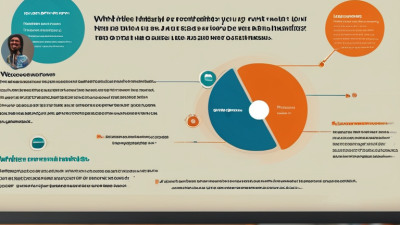
This chart illustrates the distribution of different types of screws manufactured in China, highlighting their popularity among global buyers.
Key Factors to Consider When Sourcing Screws from China
When sourcing screws from China, there are several key factors to consider. Quality assurance is vital. Ensure that manufacturers follow strict quality control measures. Look for certifications that validate their manufacturing processes. These might include ISO standards or other relevant quality marks. This helps in choosing reliable suppliers.
Pricing is another important factor. While competitive pricing is tempting, it’s essential not to compromise quality. Sometimes, the cheapest option can lead to higher costs later due to product failure. Evaluate the price against quality and service. Understanding the material used in the screws is crucial as well. Stainless steel, carbon steel, and other materials each have their advantages and limitations. Consider the specific application for which you are sourcing screws.
Communication with suppliers is critical. Clear and open dialogue can help avoid misunderstandings. Request samples before placing large orders. This step provides tangible insight into what to expect. Moreover, be wary of suppliers that promise quick turnaround times without explanations. It might lead to potential issues. Balancing quality, price, and reliable communication is key to sourcing screws effectively from China.
Quality Standards and Certifications for Chinese Screws
When sourcing screws from China, understanding quality standards is crucial. Many manufacturing facilities follow strict guidelines to ensure product reliability. Certifications like ISO 9001 play a significant role. They indicate that a manufacturer adheres to international quality management principles. Look for screws with these certifications to ensure assurance in quality.
In addition, be aware of regional standards. Different countries have varied requirements for screws, impacting their performance. For instance, the British Standard (BS) and the American National Standards Institute (ANSI) set specific criteria for materials and testing. Choosing suppliers familiar with these standards can enhance the sourcing experience.
However, not all manufacturers openly share their certifications. Some may lack transparency about their processes. This can lead to potential risks in product quality. When negotiating with suppliers, ask for documentation. A thorough vetting process can mitigate risks and build trust. Always remember that due diligence is key in sourcing.
Evaluating Suppliers: Reliable Manufacturers in China
When evaluating screw manufacturers in China, reliability is paramount. Numerous reports indicate that over 70% of global screws are sourced from Asia, with China leading this market. The expertise of these manufacturers can significantly affect your procurement efficiency.
Look for certifications that indicate quality standards, such as ISO 9001. These standards ensure that manufacturers adhere to rigorous quality control processes. However, it isn't uncommon to encounter documents that seem authentic but are misleading. Diligently verify these certifications to avoid potential pitfalls.
Communication is another critical factor. Suppliers should be responsive and transparent during negotiations. A recent survey revealed that 52% of buyers faced challenges due to lack of clarity in communication. Establishing relationships based on trust can mitigate risks associated with misunderstandings. Additionally, consider visiting factories if feasible. First-hand observations can reveal operational capabilities that documents might not fully capture. Trust your instincts if something feels off.
Cost Considerations and Negotiation Tips for Global Buyers
When sourcing screws from China, understanding cost considerations is crucial. Price variations can stem from materials, manufacturing processes, and order volumes. Buyers should request detailed quotes from multiple suppliers to make informed decisions. Transparency about pricing can often lead to better deals.
Negotiation plays a vital role in securing the best price. Start by establishing a good rapport with suppliers. This can pave the way for more favorable terms. Don't hesitate to discuss your budget openly. Suppliers may offer discounts for bulk orders or long-term partnerships.
However, it's essential to be cautious during negotiations. Overly aggressive tactics can damage relationships and affect future transactions. Be clear about your expectations, but also be ready to compromise. Not every deal will be perfect, and reflecting on past negotiations can help refine your approach. This blend of assertiveness and flexibility can lead to successful partnerships in the long run.



 Phone
Phone Send Email
 whatsapp
 Facebook
 Youtube