China Best Fasteners Guide for Quality and Durability?
Fasteners play a crucial role in construction and manufacturing industries. In China, the demand for quality fasteners has surged. Businesses seek reliable fasteners for their projects. Choosing the right fasteners can greatly influence the durability and safety of structures.
China’s fastener market is vast. Many manufacturers offer a variety of options. However, not all fasteners are created equal. The complexity of materials and manufacturing processes adds to the challenge. With so many choices, selecting durable fasteners can be overwhelming.
It is essential to consider factors like material strength and corrosion resistance. High-quality fasteners contribute to overall project longevity. Yet, even reputable brands may sometimes fall short. Understanding specifications and performance ratings is key. Investing time in research can lead to better decision-making. A well-informed choice leads to improved outcomes in any application.
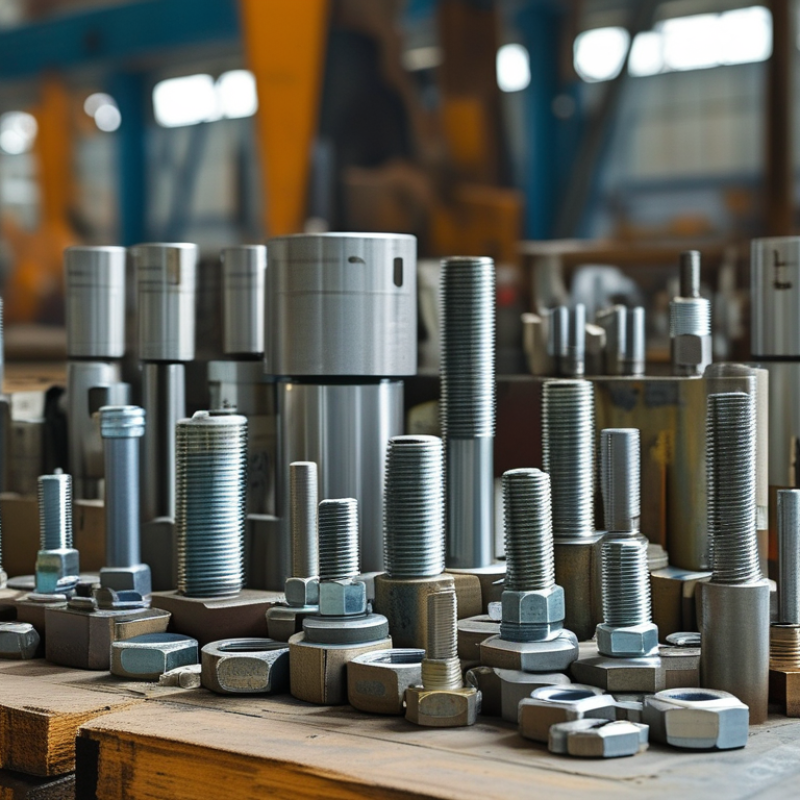
China's Fastener Industry Overview: Market Trends and Statistics
China's fastener industry plays a vital role in global manufacturing. The country produces a significant portion of the world's fasteners, creating a massive market. Recent statistics highlight the growth trend, showing an increasing demand for high-quality products. This growth is driven by various sectors, including automotive, construction, and electronics. As industries evolve, the need for durable and reliable fasteners has become paramount.
While the industry thrives, challenges persist. Quality control remains a pressing issue. Not all manufacturers prioritize reliability, leading to inconsistent product performance. Buyers must be cautious and conduct thorough research. Understanding market trends can help discern which companies adhere to high standards. Statistics show that a sizeable portion of fasteners fail to meet expectations, emphasizing the need for diligence.
Sustainability is another area for reflection. The fastener market must adapt to eco-friendly practices. While many manufacturers are making strides, not all are committed. Consumers should advocate for greener choices. As the industry continues to grow, balancing quality, durability, and sustainability will shape its future.
Material Quality: Key Factors in Fastener Durability and Performance
When selecting fasteners, material quality is crucial for ensuring durability and performance. Fasteners commonly use materials like stainless steel, carbon steel, and alloy steel. Each material brings unique properties. For example, stainless steel offers resistance to corrosion, making it ideal for outdoor applications. According to a study by the Fastener Quality Act (FQA), the right material choice can enhance the lifespan of fasteners by up to 40%.
Corrosion resistance is not the only factor to consider. The tensile strength of a fastener is equally important. Carbon steel fasteners often exhibit high tensile strength, but they are more susceptible to environmental factors. Research from ASTM International shows that improperly selected materials can lead to 60% of fastener failures. This highlights the importance of understanding material characteristics and environmental conditions.
Manufacturers must prioritize quality control measures. Regular testing and certifications ensure that fasteners meet industry standards. However, many manufacturers might overlook these aspects, leading to compromise in quality. Ignoring material specifications can result in failures that significantly impact project safety and longevity. Awareness of these factors is crucial for selecting the right fasteners.
China Best Fasteners Guide for Quality and Durability
This chart displays the material quality factors affecting the durability and performance of fasteners. The data illustrates the average ratings of different materials used in fasteners based on tensile strength, corrosion resistance, and fatigue strength.
Manufacturing Standards: ISO Certification and Its Impact on Quality
Manufacturing standards, especially ISO certification, play a significant role in fastener quality. ISO standards ensure products meet international quality benchmarks. This certification requires thorough testing and consistency in materials. Fasteners that meet these standards often show superior durability and performance. Buyers can feel more confident in their choices when products are ISO certified.
However, the certification process is complex. Many manufacturers struggle to meet ISO requirements. Implementation of these standards often reveals weaknesses in production lines. This creates variations in fastener quality. The challenge lies in maintaining consistent quality across batches. Even with ISO certification, some products may still fall short in performance over time. Regular audits and updates to processes are crucial for improvement. By being mindful of these challenges, manufacturers can work towards achieving and maintaining high standards.
China Best Fasteners Guide for Quality and Durability
| Fastener Type |
Material |
Coating Type |
ISO Certification |
Tensile Strength (MPa) |
Durability Rating |
| Bolt |
Alloy Steel |
Zinc Plated |
ISO 9001 |
800 |
High |
| Screw |
Carbon Steel |
Black Oxide |
ISO 14001 |
700 |
Medium |
| Nut |
Stainless Steel |
Passivated |
ISO 45001 |
600 |
High |
| Washer |
Aluminum |
Anodized |
ISO 50001 |
500 |
Medium |
Top Fastener Manufacturers in China: A Comparative Analysis
When exploring top fastener manufacturers in China, several factors come into play. Quality and durability are paramount. Manufacturers often showcase their capabilities through certifications and adherence to international standards. Yet, not all sourcing options guarantee consistent quality. It's crucial to examine production processes and materials used.
Although many manufacturers present impressive portfolios, some may fall short in transparency. Customer reviews can provide insights, but they may also be selective in highlighting positive experiences. Understanding a manufacturer’s reputation requires digging deeper. Look for companies with strong track records in specific sectors, as this can indicate reliability.
Engaging with manufacturers directly offers an opportunity for clarification on any doubts. Discussing past projects reveals their problem-solving abilities. It is essential to consider how they handle setbacks. Does the manufacturer address issues proactively? This evaluation can help gauge their commitment to quality and service.
Applications and Innovations: Fasteners in Various Industries and Sectors
Fasteners play a vital role in various industries, ensuring safety and reliability. According to a recent industry report, the global fastener market is expected to grow significantly, reaching approximately $105 billion by 2025. This growth stems from the increasing demand in sectors such as construction, automotive, and aerospace.
In construction, fasteners are critical for maintaining structural integrity. Fasteners like bolts, screws, and anchors are essential in building projects. They must withstand various environmental conditions, affecting their quality and durability. A study from the Fastener Quality Act highlights that subpar fasteners can lead to failures, resulting in costly repairs and safety hazards.
The automotive industry also relies heavily on high-quality fasteners. As vehicles become more technologically advanced, the demand for innovative fastening solutions rises. Lightweight fasteners, such as those made from advanced composites, are gaining traction. They reduce weight while maintaining strength. However, the challenge lies in balancing cost and performance. Innovation in fastener design is crucial to meet these evolving demands and ensure safety.


 Phone
Phone Send Email
 whatsapp
 Facebook
 Youtube