2026 How to Choose the Right Screws for Your Project?
When embarking on a new project, selecting the right screws is crucial. Screws play a fundamental role in ensuring structural integrity and functionality. According to a report by the International Screws Association, improper screw selection can result in up to 30% of construction failures. This statistic emphasizes the importance of choosing appropriate fasteners for any task.
Quality screws come in various types, each designed for specific materials and applications. For instance, wood screws have different threading compared to metal screws. This specificity affects load-bearing capacity and installation efficiency. Misunderstanding these differences can lead to costly mistakes, waste, and potential safety hazards.
Despite advances in screw technology, many still overlook the need for proper selection. Dismissing this aspect often leads to trial and error. The pursuit of the right fastener should involve careful consideration and not rushed decisions. Taking the time to research screw types and their applications can significantly improve project outcomes.
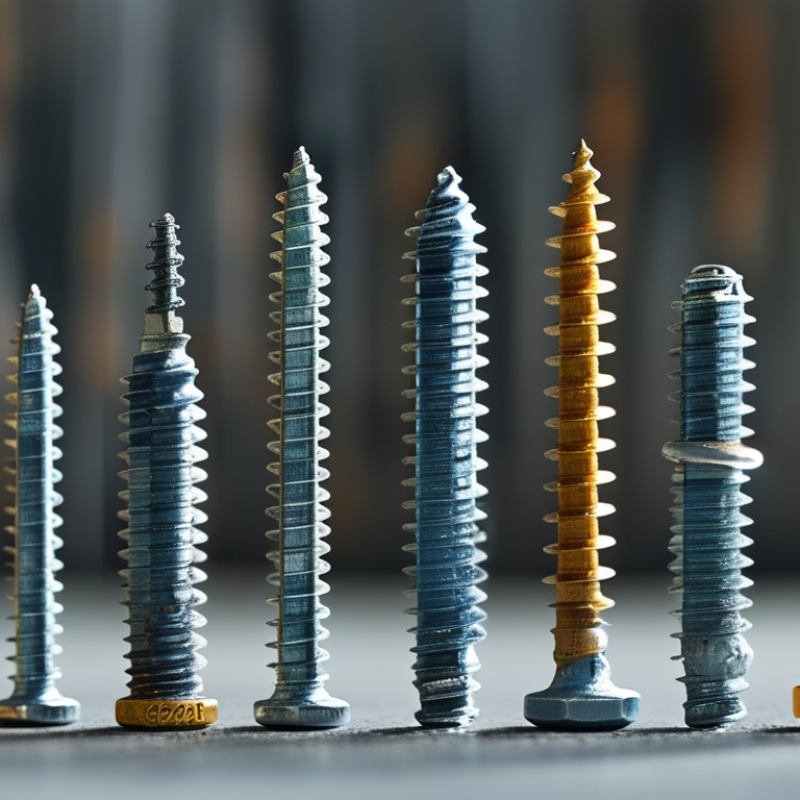
Understanding Different Types of Screws and Their Uses
When tackling a project, selecting the right screw can make a significant difference. There are many types of screws, each designed for specific tasks. Wood screws feature a sharp point and coarse threads, ideal for joining wood materials. Their grip ensures stability, but they may split softer woods if not pilot holed.
Metal screws often have finer threads and a pointed tip. They serve well for fastening metal sheets, ensuring a strong hold without risking damage. Self-tapping screws simplify the process, as they create their own hole. However, improper use can lead to stripped threads.
It’s worth noting that not every screw is universally effective. For example, a drywall screw is great for hanging boards but may not provide adequate strength when used on heavier materials. Understanding the specific needs of your project is crucial. Experimentation and learning from mistakes can lead to better outcomes in future projects.
Factors to Consider When Choosing Screws for Your Project
Choosing the right screws involves understanding several important factors. One major consideration is the material of the screw. For outdoor projects, stainless steel or coated screws can prevent rust. For indoor use, carbon steel is often sufficient. The choice of material greatly impacts durability.
The size of the screw is another critical aspect. It affects the strength and holding power. A screw that is too short may not provide secure fastening, while one that is too long can split the material. It's best to measure the thickness of the materials being joined—this helps ensure the right fit.
Thread type also matters. Coarse threads can grip better in softer materials, while fine threads are suitable for dividers and metal. However, choosing the wrong thread type may lead to stripped holes and insufficient support. Always consider the specifics of your project to avoid potential issues. Balancing these factors requires careful thought, and sometimes, it's necessary to revisit your choices as you progress.
2026 How to Choose the Right Screws for Your Project? - Factors to Consider When Choosing Screws for Your Project
| Screw Type |
Material |
Length (inches) |
Diameter (gauge) |
Head Type |
Drive Type |
Use Case |
| Wood Screw |
Steel |
1.5 |
#8 |
Flat |
Philips |
Woodworking |
| Sheet Metal Screw |
Stainless Steel |
2 |
#10 |
Hex |
Torx |
Metal Fabrication |
| Drywall Screw |
Phosphate Coated Steel |
1 |
#6 |
Bugle |
Philips |
Drywall Installation |
| Lag Screw |
Galvanized Steel |
3 |
1/4 |
Hex |
Socket |
Heavy-Duty Applications |
| Machine Screw |
Brass |
1 |
#8 |
Round |
Slotted |
Electronics |
Material Selection: Choosing the Right Screw Material
Choosing the right screw material is crucial for any project. Steel screws are the most common choice. They offer strength and durability. However, steel can rust if exposed to moisture. For outdoor projects, stainless steel screws are better. They resist corrosion and have a long lifespan.
Another option is brass screws. They are softer and easier to work with. Brass has a unique appearance, making it suitable for decorative projects. Yet, brass screws may not be ideal for heavy-duty applications. Take time to assess your project needs. Consider factors like weight, exposure to elements, and aesthetics.
Lastly, plastic screws are available for specific uses. They are lightweight and resistant to rust. However, their strength varies, which can limit their applications. It's essential to evaluate the pros and cons of each material. Understanding these details can help you avoid mistakes in your project. The right material significantly impacts both performance and longevity.
Screw Length and Diameter: Importance in Project Suitability
When embarking on a project that requires screws, understanding the significance of screw length and diameter is crucial. The right length ensures a secure grip in materials, preventing the screws from pulling out or breaking under stress. If a screw is too short, it may fail to hold the parts together properly. Conversely, using screws that are too long can lead to damage or promote splitting in the material.
Diameter plays a vital role in load-bearing capacities. A thicker screw distributes weight more effectively, offering better stability in heavy-duty applications. This is especially important in construction, where structural integrity cannot be compromised. However, selecting the wrong diameter can also lead to issues. A screw that is too wide for the pilot hole can create unnecessary friction and complications during installation.
Reflecting on these aspects helps in fine-tuning your project approach. Many overlook these details, leading to reworks and wasted materials. Investing time in choosing the right screw dimensions can save you time, effort, and frustration in the long run. Understanding these elements will create a solid foundation for any successful build.
Common Mistakes to Avoid When Selecting Screws for the Job
Choosing the right screws can be daunting. Many overlook critical factors that affect their project's success. One common mistake is ignoring the material of the screw. Metal screws react differently to various environments, especially in corrosive settings. A report from the American Fasteners Institute indicates that 30% of fastener failures are due to material incompatibility.
Not considering the screw length is another pitfall. Using screws that are too long can cause wood or other materials to split. Conversely, screws that are too short may not provide adequate hold. A study published by the Fastener Technology International highlights that improperly sized screws can reduce joint strength by up to 50%.
When selecting screws, pay attention to guidelines provided by professionals. Understanding your material is key. For wood projects, use wood screws with wide threads. For metal, consider self-tapping screws. Always check load requirements based on your specific situation.
Tip: Test different screws on sample materials before your main project. This can save time and resources. Additionally, consult engineering databases for strength ratings. Making informed choices can significantly enhance the outcome of your project.





 Phone
Phone Send Email
 whatsapp
 Facebook
 Youtube