Top China Fasteners Tips for Global Buyers in 2026?
In the dynamic world of manufacturing, China Fasteners continue to play a pivotal role for global buyers. The fastener market in China is projected to reach $90 billion by 2026, driven by rising demand in various sectors such as automotive and construction. However, challenges abound. Quality control remains a significant concern, with reports indicating that over 30% of imports fail to meet international standards.
Global buyers must navigate this complex landscape. Partnering with reliable suppliers is crucial. Industry surveys reveal that 70% of global buyers prioritize quality over cost when sourcing fasteners from China. Additionally, understanding local regulations and quality certifications can lead to better outcomes.
Reflection on past experiences shows that relying solely on price can lead to negative results. One bad batch can result in costly delays. Therefore, educating oneself about the nuances of China Fasteners is essential for success in 2026 and beyond.
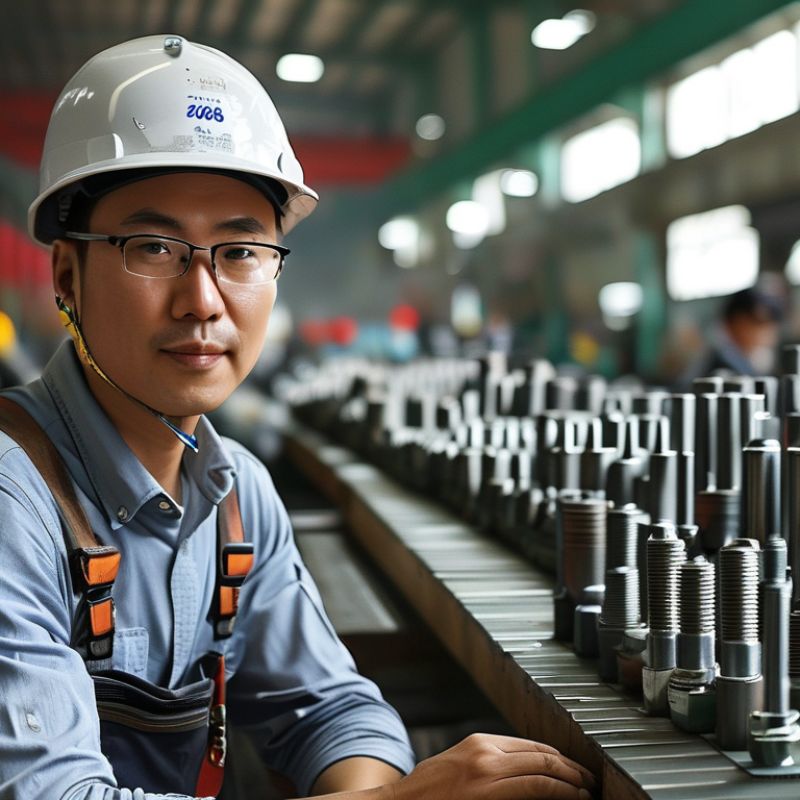
Understanding the Global Fasteners Market Landscape in 2026
The global fasteners market landscape in 2026 is evolving rapidly. Buyers will face unique challenges and opportunities. Understanding these dynamics is essential for success. Market research shows increasing demand for sustainable and high-quality fasteners. Innovations in materials and manufacturing processes are driving this trend.
To navigate this landscape, here are some key tips.
Focus on quality rather than quantity. Fasteners made from advanced materials can offer better performance. Look for suppliers who adhere to quality assurance standards. Building long-term relationships with reliable suppliers is crucial. Effective communication can prevent misunderstandings in specifications and delivery.
Stay updated on global trade policies. Tariffs and regulations may change, impacting pricing and availability. Diversify your sourcing locations. This strategy can mitigate supply chain risks. Be prepared to adapt to fluctuations in demand. The market can be unpredictable, requiring flexibility and quick decision-making.
Key Trends Influencing China Fasteners Industry Development
The China fasteners industry is poised for transformative changes in 2026. Key trends are shaping its development. Sustainability is a primary focus. Manufacturers are adopting greener practices. This shift minimizes environmental impact while meeting global demands. Eco-friendly materials gain traction. Buyers seek suppliers with sustainable certifications.
Technology integration also plays a crucial role. Smart manufacturing is becoming the norm. Automation and artificial intelligence enhance production efficiency. This reduces costs and increases output. However, not all manufacturers adapt swiftly. Some still rely on outdated methods, risking competitiveness.
Market globalization influences pricing strategies. China's fasteners are exported globally. This leads to fluctuating prices based on demand and supply. Buyers should stay informed about market dynamics. Understanding these factors helps in making better purchasing decisions. Many companies need to address quality control issues. Continuous improvement in production techniques remains essential.
Top China Fasteners Tips for Global Buyers in 2026 - Key Trends Influencing China Fasteners Industry Development
| Trend |
Description |
Impact on Global Buyers |
Expected Timeline |
| Sustainability Focus |
Increase in eco-friendly materials and production methods in fasteners. |
Demand for sustainable products may rise, impacting procurement strategies. |
2026 and beyond |
| Technological Advancements |
Adoption of automation and smart manufacturing in the fasteners sector. |
Improved product quality and shorter lead times for international buyers. |
2025 - 2026 |
| Global Supply Chain Resilience |
Focus on diversifying supply sources to mitigate risks. |
Buyers encouraged to consider multiple suppliers to ensure stability. |
Ongoing |
| Customization Demand |
Increased requests for personalized fastener solutions. |
Need for flexible suppliers who can accommodate custom requests. |
2025 - 2026 |
| Trade Policy Changes |
Influence of international trade policies on tariffs and imports. |
Buyers must stay informed to avoid unexpected costs. |
2026 and beyond |
Strategies for Sourcing Quality Fasteners from Chinese Manufacturers
Sourcing quality fasteners from Chinese manufacturers requires a careful approach. Understand the market well. Research potential suppliers thoroughly. Look for factories that specialize in fasteners. Check their production processes and certification standards. Visiting factories can provide deeper insights into their operations.
Quality assurance is vital. Always request samples before placing large orders. Evaluate the materials and craftsmanship. This step is essential to avoid widespread issues later. Establish clear communication channels. Language barriers can lead to misunderstandings. Use visual aids when discussing designs and specifications.
Be mindful of pricing. Competitive prices may come with hidden costs. Balance cost with quality. This strategy helps in maintaining healthy supply chains. It's important to stay updated on industry trends. Regularly review sourcing strategies for improvements. Adapting to changes in manufacturing practices will ensure continued success.
Navigating Trade Regulations and Compliance for Fasteners in 2026
Navigating trade regulations is vital for global buyers in the fastener industry. In 2026, compliance will become increasingly complex. Governments worldwide tighten regulations to ensure safety and quality. According to the International Fastener Industry Association, over 30% of fastener exports face delays due to non-compliance issues. It is crucial to stay updated on evolving regulations.
Understanding documentation is essential. Buyers must ensure all required certificates accompany shipments. Failure to do so can result in costly fines and shipment refusals. Regularly check regulatory updates from relevant authorities. Establish a solid relationship with local customs teams to navigate challenges more efficiently.
Tip: Develop a checklist of all documents needed for different countries. Regular audits of suppliers can identify risks early. Seek out professional guidance to interpret complex regulations accurately. Access to reliable databases will support informed decisions and enhance compliance. A proactive approach can mitigate risks and improve your supply chain efficiency.
Building Sustainable Relationships with Chinese Fasteners Suppliers
Building sustainable relationships with Chinese fastener suppliers requires a thoughtful approach. Understanding their business culture is key. Trust plays a significant role in negotiations. Establishing rapport can lead to better deals and consistent quality.
Personal visits can foster stronger connections. Online communication lacks the personal touch needed for long-term partnerships.
Transparency is crucial in this relationship. Clearly outline your expectations regarding quality and delivery times. Address any issues promptly to maintain trust. It is essential to give feedback, both positive and negative. This helps suppliers understand your needs better. Regular communication can prevent misunderstandings that lead to disputes.
A long-term partnership offers benefits such as lower costs and better service. However, challenges do arise. Suppliers may not always meet deadlines due to their own internal issues. It requires patience and a willingness to adapt.
Being flexible can strengthen the relationship further. Engage suppliers in finding solutions. This collaborative approach can create a win-win situation for both parties.






 Phone
Phone Send Email
 whatsapp
 Facebook
 Youtube