What are the Different Types of Bolts for Construction?
When constructing a building, the choice of fasteners is crucial. Among them, bolts play an essential role. They secure elements together, ensuring safety and stability. The types of bolts are as diverse as the structures they support. Each bolt type has unique features suited for various construction needs.
Understanding these differences is vital for engineers and builders. Different materials and designs determine the strength and application of each bolt. Considerations such as load requirements and environmental factors also come into play. Choosing the wrong type can lead to structural failures. It's important to analyze the project’s specific needs thoroughly.
The right bolt can enhance the longevity and durability of a structure. Yet, some may overlook this aspect in their projects. It is essential to remain informed on bolt types and their applications. This knowledge empowers professionals to make the best choices. In doing so, they safeguard the integrity of their constructions.
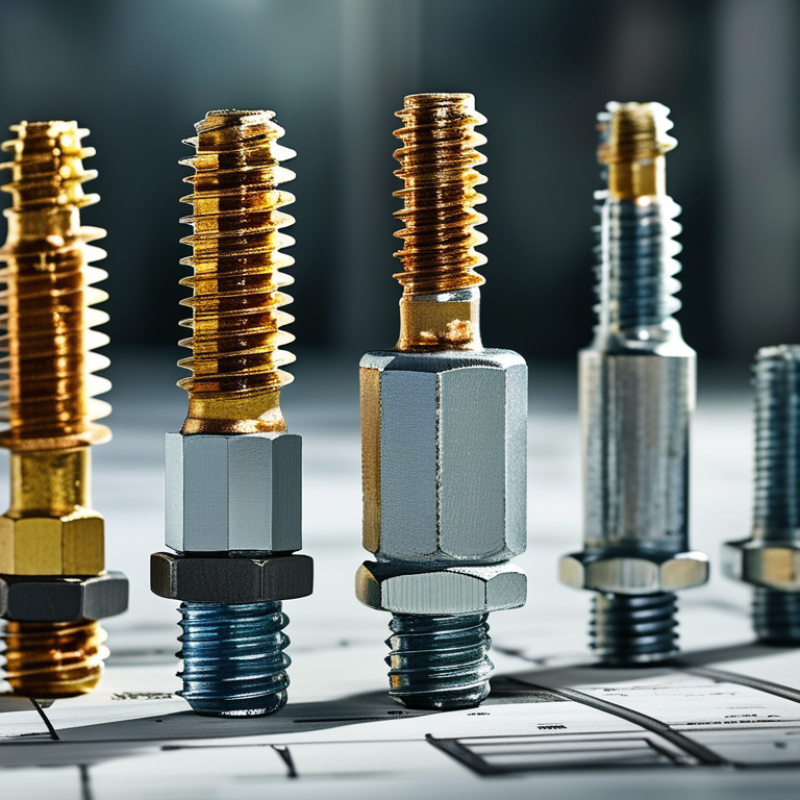
Types of Construction Bolts: An Overview
Construction projects often rely on various types of bolts to ensure structural integrity. These bolts come in different shapes, sizes, and materials, catering to specific applications. According to the American Institute of Steel Construction (AISC), there are several categories of bolts that engineers commonly use.
One of the most common types is the standard hex bolt. It is versatile and often utilized for metal connections. Another popular choice is the anchor bolt, which secures structures to concrete foundations. Data from the International Building Code indicates that anchor bolts are critical in seismic zones. Their design protects buildings from potential damage during earthquakes.
Furthermore, high-strength bolts are essential where load-bearing capacity is vital. These bolts are often used in bridges and high-rise buildings. The need for high-strength materials is increasing. Studies show that the global market for construction fasteners is projected to reach $77 billion by 2027. However, ensuring the correct bolt type and application can be challenging. Misapplications can lead to structural failures, highlighting the importance of choosing the right bolt for each construction scenario.
Hex Bolts: Versatile Solutions for Heavy-Duty Applications
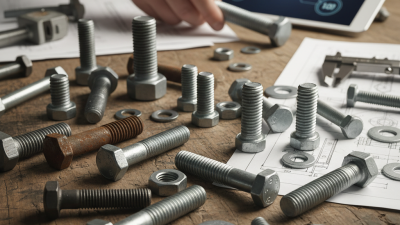
Hex bolts are essential in the construction industry. They are designed to endure heavy loads and harsh conditions. These fasteners feature a hexagonal head for easy tightening. This makes them versatile for various applications. According to industry reports, hex bolts account for over 30% of the global bolt market.
One notable characteristic of hex bolts is their materials. They are typically made from steel, stainless steel, or alloy steel. The choice of material affects their corrosion resistance and strength. For example, stainless steel hex bolts are preferred in environments prone to rust. They offer durability and reliability, reducing the need for frequent replacements.
Despite their benefits, there can be drawbacks to using hex bolts. Incorrect installation may lead to loosening or failure under stress. It's crucial to follow proper torque specifications to prevent these issues. Furthermore, the sheer number of options can be overwhelming. Construction professionals must assess their specific needs carefully. The right choice is vital for structural integrity and safety.
Carriage Bolts: Unique Design for Smooth Surface Finishing
Carriage bolts are essential in construction. They have a unique rounded head and a smooth shaft. This design makes them perfect for applications where a flush surface finish is critical. The dome-shaped head prevents snagging, which is beneficial for wooden surfaces. It provides a clean look, particularly in furniture making and structural applications.
When installing carriage bolts, choose the correct size. Too long might leave excess material exposed. Too short may not hold properly. Another tip is to use a washer. A washer helps distribute the load and prevents the bolt from pulling through the material. This small addition can significantly improve the joint's durability.
Keep in mind the material of your project. Softwoods can compress under load, while hardwoods need precise drilling. Not all installations will be flawless. Sometimes, the bolt might not tighten evenly. This could lead to weak connections. Test your assembly before committing to heavy loads. Adjustments can save time and materials in the long run.
What are the Different Types of Bolts for Construction? - Carriage Bolts: Unique Design for Smooth Surface Finishing
| Bolt Type |
Description |
Common Uses |
Material |
Head Style |
| Carriage Bolt |
A bolt with a round head and a square portion underneath to prevent rotation. |
Wood-to-wood connections, steel connections. |
Steel, Stainless Steel |
Round |
| Hex Bolt |
A bolt with a hexagonal head used with a nut or driven into a pre-drilled hole. |
Structural connections, machinery assembly. |
Steel, Alloy Steel |
Hex |
| Lag Bolt |
A large, heavy-duty bolt used mainly in wood. |
Securing heavy timber, wood framing. |
Steel, Zinc Plated |
Hex |
| Eye Bolt |
A bolt with a looped head for attaching a rope or cable. |
Rigging, lifting applications, securing items. |
Steel, Stainless Steel |
Eye |
| Shoulder Bolt |
A bolt with a larger diameter shoulder allowing for rotation. |
Pivoting connections, machines with moving parts. |
Steel, Alloy Steel |
Hex |
Lag Bolts: Heavyweight Fasteners for Wood and Timber
Lag bolts are a popular choice in construction, especially for wood and timber projects. These heavy-duty fasteners are designed to carry significant loads. Their wide, flat heads provide a large bearing surface, ensuring stability in various applications. They are particularly effective for joining structural elements, such as beams and posts.
When using lag bolts, proper installation is crucial. Pre-drilling is often recommended to prevent the wood from splitting. Selecting the right size is crucial, as well. Too long, and it may penetrate too deeply, compromising structural integrity. Too short, and it won’t provide the necessary hold. Lag bolts typically come in different lengths and diameters, making it essential to match the specifications to your project needs.
Despite their strength, lag bolts can pose challenges. Over-tightening can damage the surrounding wood. Similarly, if not correctly placed, they may not align properly, leading to weak connections. Understanding these factors can help in achieving better results in construction. Proper planning and attention to detail are vital for leveraging the full potential of lag bolts in your projects.
Anchor Bolts: Essential for Securing Structures to Foundations
Anchor bolts play a crucial role in securing structures to their foundations. These robust fasteners are designed to withstand heavy loads and resist lateral forces. Typically embedded in concrete, anchor bolts ensure that buildings remain stable during extreme weather events. Their proper installation is vital for the long-term safety of any structure.
When selecting anchor bolts, professionals must consider several factors. The size and material of the bolts can significantly impact their performance. For instance, corrosion-resistant materials are essential for structures exposed to harsh environments. Inexperienced workers may overlook these details, leading to potential structural failures. It’s essential to review installation techniques regularly, as mistakes can have serious consequences.
Moreover, the spacing and depth of anchor bolts significantly affect their effectiveness. Miscalculations in these areas can lead to insufficient load distribution. This could weaken the foundation over time. Regular inspections and maintenance can help catch such issues before they escalate. Understanding the intricacies of anchor bolt installation is key to ensuring structural integrity and safety.




 Phone
Phone Send Email
 whatsapp
 Facebook
 Youtube