Top Fasteners Trends for 2026 What Buyers Need to Know
The fasteners industry is poised for significant evolution by 2026. As reported by the Global Fasteners Market Research, the sector is expected to grow at a compound annual growth rate (CAGR) of 5.6%. This growth is driven by emerging technologies and increasing demand in various sectors like construction and automotive.
Fasteners play an essential role in maintaining structural integrity across diverse applications. However, buyers need to stay informed about changing trends. Innovations in materials, such as lightweight composites, are on the horizon. Moreover, sustainability in fasteners is becoming a priority as industries seek eco-friendly solutions. Manufacturers are adapting to this demand.
Yet, challenges persist. The supply chain faces disruptions, impacting availability and pricing. Buyers must be aware of these dynamics. Understanding the landscape of fasteners will be crucial for future procurement strategies. Staying updated will empower businesses to make informed decisions while navigating the evolving market.
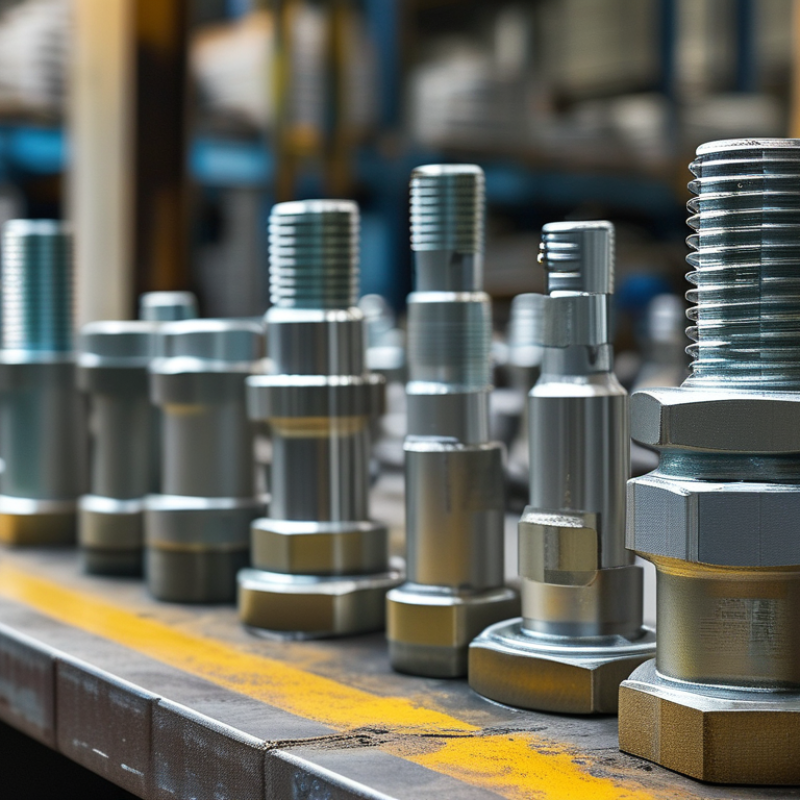
Emerging Materials in Fasteners: Innovations to Watch in 2026
As we approach 2026, the fasteners industry is seeing significant shifts. Emerging materials are leading to innovations that could redefine standards. According to a recent industry report, composites and advanced alloys will dominate the market. These materials offer enhanced strength and reduced weight, which are critical for modern applications. The demand for lightweight solutions is projected to grow by over 20% in the next three years.
Sustainable practices are another key trend affecting fastener materials. Biodegradable options are gaining attention, with a projected increase in usage by 15% annually. However, manufacturers face challenges in balancing strength and eco-friendliness. There is a constant push to improve the performance of these materials while ensuring environmental impact is minimized.
Additionally, the rise of smart fasteners—integrating sensors and connectivity—is noteworthy. They provide real-time data about structural integrity. This innovation is expected to transform maintenance schedules. However, the integration of electronics poses complexities in manufacturing. Understanding these emerging materials is essential for buyers looking to stay competitive in 2026.
Sustainable Practices in Fastener Production: Environmental Impact
The fastener industry is increasingly aware of its environmental impact. Sustainable practices are becoming essential in fastener production. Reports indicate that nearly 40% of manufacturers plan to adopt eco-friendly methods by 2026. This shift addresses waste reduction and resource conservation. The use of recycled materials is rising. Many companies are integrating advanced energy-efficient technologies. This not only lowers emissions but also cuts operational costs.
Tips: Look for suppliers who prioritize eco-certifications. Eco-friendly fasteners can enhance your brand's image. Consider the entire lifecycle of fasteners, from production to disposal. Many think sustainable options are too costly; however, they can lead to long-term savings.
While progress is evident, challenges remain. Some manufacturers struggle to find sustainable materials that meet performance standards. Consistency in quality is crucial for safety. The need for compliance with regulations further complicates the adoption of green practices. Nevertheless, the industry's commitment to sustainability reflects broader societal trends. Awareness of environmental issues among consumers is growing. Buyers should stay informed and choose fasteners that align with sustainable values.
Top Fasteners Trends for 2026 What Buyers Need to Know - Sustainable Practices in Fastener Production: Environmental Impact
| Trend |
Description |
Environmental Impact |
Key Materials |
Adoption Rate (%) |
| Biodegradable Fasteners |
Fasteners made from materials that decompose naturally. |
Reduces landfill waste and pollution. |
PLA, PHA |
30 |
| Recycled Steel Fasteners |
Fasteners produced using recycled steel, minimizing resource extraction. |
Cuts down on energy consumption and CO2 emissions. |
Recycled steel |
45 |
| Low-Emission Manufacturing |
Production processes focused on reducing carbon footprints. |
Minimizes air pollution and enhances sustainability. |
Various metals and composites |
50 |
| Smart Fasteners |
Fasteners equipped with sensors for condition monitoring. |
Promotes longevity and reduces waste. |
Metal, composites with electronic components |
35 |
| Alternative Materials |
Use of materials such as bamboo or bioplastics instead of traditional metals. |
Reduces resource depletion and encourages biodiversity. |
Bamboo, bioplastics |
20 |
Smart Fasteners: The Role of IoT and Connectivity in Future Designs
Smart fasteners are transforming the construction and manufacturing industries. By integrating Internet of Things (IoT) technology, fasteners can communicate data in real-time. This connectivity allows for improved monitoring of structural integrity and load management in various applications.
These innovations come with challenges. Not every manufacturer is ready to adopt these advanced technologies. Concerns about cybersecurity and data privacy can deter some companies from fully embracing smart fasteners. Additionally, the cost of implementing IoT solutions can be prohibitive for smaller businesses.
Despite these hurdles, the potential benefits are significant. Smart fasteners can enhance efficiency and reduce maintenance costs over time. Connected fasteners can alert users to potential issues before they escalate. This proactive approach can lead to safer and more reliable structures. Industry professionals must weigh the pros and cons as they consider these emerging technologies.
Top Fasteners Trends for 2026
This chart illustrates the projected adoption rates of different smart fasteners technologies influenced by IoT and connectivity. These innovative solutions are expected to reshape the fasteners industry by enhancing monitoring, maintenance, and sustainability efforts.
Market Dynamics: Key Players and Trends Shaping Fastener Purchasing
The fastener market is evolving rapidly, influenced by several key players and emerging trends. According to a recent report by MarketsandMarkets, the global fasteners market is projected to reach $115.5 billion by 2026, driven by increasing demand from the automotive and construction sectors. This growth reflects not only a significant shift towards lightweight materials but also a growing emphasis on sustainability.
Sustainability in fastener purchasing is becoming crucial. Many buyers are seeking eco-friendly alternatives. The report highlights that nearly 40% of fastener purchases are influenced by sustainability factors. However, finding reliable suppliers who adhere to these practices can be challenging. Buyers must critically assess their supply chains to ensure compliance with environmental standards.
Moreover, advancements in technology are reshaping fastener designs and production methods. Innovations like automation and smart manufacturing are on the rise. Despite their advantages, some manufacturers are struggling to integrate these technologies effectively. This gap poses a risk in meeting the fast-paced market demands. Continuous adaptation is essential for buyers navigating these complexities.
Future Applications: Industries Driving Demand for Advanced Fasteners in 2026
As we approach 2026, the fastener industry is witnessing a significant shift driven by evolving applications across several sectors. The aerospace sector is at the forefront, demanding high-performance fasteners that can withstand extreme conditions. According to recent industry reports, the aerospace fastener market is expected to grow at a CAGR of over 5% from 2023 to 2026. This growth is attributed to the increasing demand for lightweight materials, which require innovative fastening solutions.
In the automotive industry, the push for electric vehicles (EVs) is shaping fastener requirements. EV production is projected to rise sharply, leading to a unique demand for specialized fasteners that enhance vehicle safety and weight efficiency. Analysis indicates that automotive fasteners could see a market size expansion of approximately 4.5 billion USD by 2026. Manufacturers are challenged to develop fasteners that support new battery technologies and lightweight materials, necessitating a focus on innovation and durability.
The construction industry is also transforming its fastener needs. With smart buildings on the rise, fasteners must integrate seamlessly with advanced technologies. Data suggests that, by 2025, the construction sector will require more than 6 million tons of fasteners annually. However, finding the right balance between strength, durability, and cost-effectiveness remains a challenge. The potential for new materials, such as composite fasteners, offers promise but requires extensive testing and validation to meet industry standards.


 Phone
Phone Send Email
 whatsapp
 Facebook
 Youtube