Choosing a Chinese washer supplier involves more than comparing unit prices. Washers support clamping force, alignment, and long-term assembly reliability. Small defects can create costly failures. That reality shapes this guide.
China offers extensive manufacturing capacity, from small stamping workshops to automated plants serving global industries. However, capacity alone does not prove consistency. A reliable evaluation should examine material grades, tooling control, dimensional tolerances, surface treatments, and inspection records. Ask whether the supplier can provide traceable certificates for stainless steel, carbon steel, or coated parts. Request production samples. Measure them independently. Compare actual results with drawings, not promises.
During supplier research, review factory experience, quality systems, export history, and communication practices. Evidence matters more than polished photographs. An experienced manufacturer should explain die maintenance, batch sampling, packaging protection, and corrective actions. Audits, video inspections, and third-party testing can strengthen confidence, especially for critical applications. Yet no supplier is perfect. Even careful buyers may overlook carton damage, changing lead times, or unclear tolerance language. This guide presents leading Chinese Washers manufacturers and practical questions for choosing among them. It favors verifiable capability over impressive claims. Use the recommendations as a starting point, then confirm every requirement before placing an order.
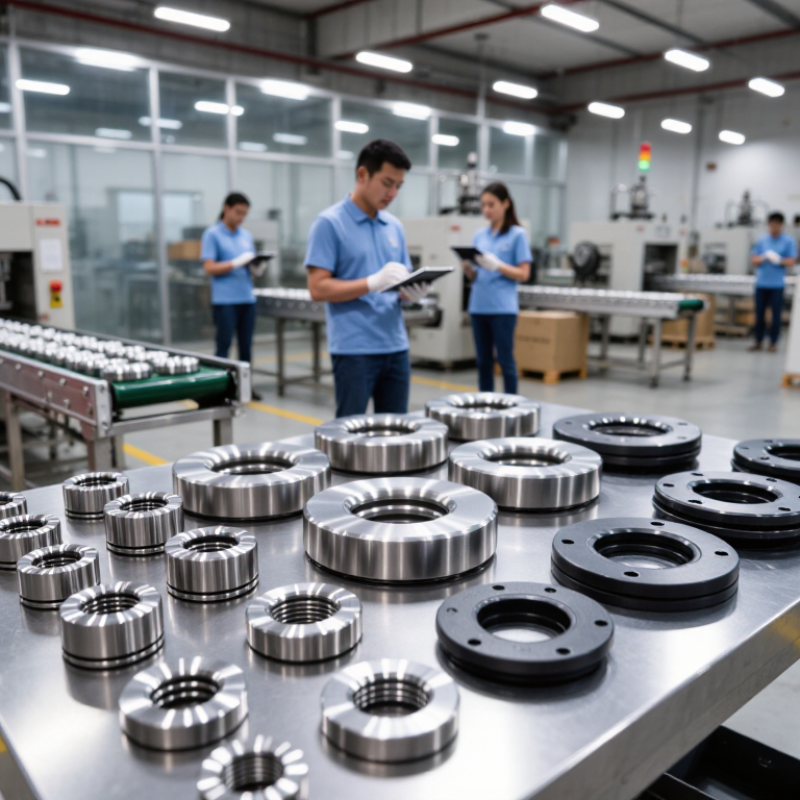
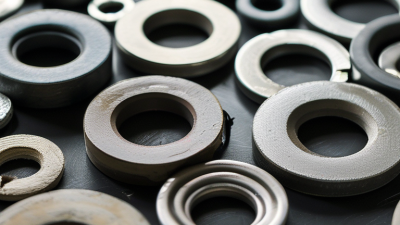
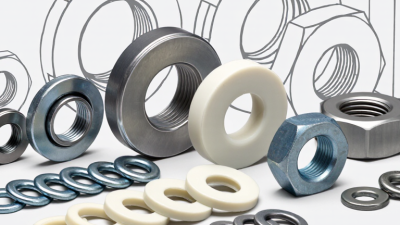
Chinese manufacturers produce washers for machinery, construction, vehicles, electronics, and renewable-energy equipment. Common types include flat washers, spring washers, toothed lock washers, fender washers, sealing washers, shim washers, and wave washers. Flat washers spread pressure under a bolt head. Fender washers cover larger holes. Shim washers help control precise spacing. Small differences matter.
The MarketsandMarkets Industrial Fasteners Market report estimated the global market at about USD 88 billion in 2024. This demand supports wider washer production and more specialized designs. Chinese factories commonly use carbon steel, stainless steel, copper, brass, aluminum, and non-metallic materials. Material choice depends on load, corrosion exposure, temperature, and electrical performance. A washer can look correct and still fail in service.
When choosing a supplier, request drawings, material certificates, hardness data, coating details, and inspection records. Ask how flatness, inner diameter, outer diameter, and thickness are measured. ISO 9001 certification may indicate controlled processes, but it does not replace product testing.
The Grand View Research metal stamping report valued that global market at approximately USD 265.8 billion in 2023, showing the scale of precision forming. Yet volume is not quality. Sample testing, salt-spray checks, and lot traceability reveal more than attractive catalog photographs. The difficult part is often overlooked. Your application may need a custom washer, not a standard one.
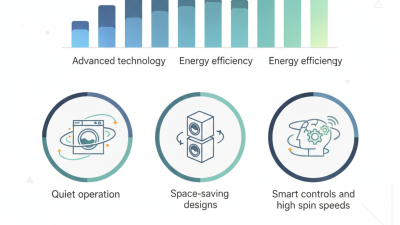
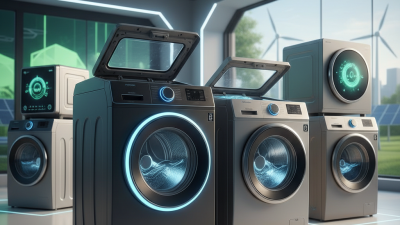
China’s leading washer suppliers are built on more than low prices. Statista Market Insights estimated the global washing machine market above US$80 billion in 2024. This scale increases production experience, but supplier quality still varies. Examine factory records, monthly capacity, and export experience. Ask for test reports based on IEC 60456, the international standard for washing machine performance. A serious manufacturer should explain water use, spin efficiency, noise, and load testing clearly.
Energy performance also deserves close attention. The U.S. Environmental Protection Agency states that certified clothes washers use about 25% less energy and 33% less water than standard models. Request laboratory evidence, not only catalogue claims. Check whether the factory controls motors, pumps, drums, and electronic boards internally. ISO 9001 certification can support process consistency, although certification alone proves little. A factory visit may reveal weak incoming inspection, crowded assembly lines, or incomplete packaging protection. These details often predict later complaints.
Tips: Compare three suppliers with one identical specification sheet. Require pre-shipment inspection and sample approval. Review warranty response times in writing. Do not choose the cheapest quotation too quickly. It may hide thinner metal, weaker seals, or unstable software. No scorecard is perfect. Recheck critical data before placing a large order.
Evaluating a washer manufacturer requires more than checking its product catalog. I examine its process control, testing equipment, and traceability records. The ISO Survey 2022 reported 1,265,216 valid ISO 9001 certificates worldwide. Certification helps, but it does not guarantee consistent washers. Ask for recent audit results, control plans, and corrective-action reports. A reliable factory should identify each batch from steel coil to packed cartons. It should also provide material certificates and dimensional inspection records.
Production capability must match the washer design. Check stamping capacity, tooling accuracy, heat-treatment control, and surface-finishing consistency. For critical parts, request hardness, tensile, burr, and coating-thickness data. ASTM F844 and ISO 7089 can guide dimensional and performance checks for common flat washers. However, standards alone may not reflect your assembly conditions. I would test samples under actual load, temperature, and corrosion exposure. A shiny sample can still fail.
Tips: Visit the factory if possible. Watch one production run. Compare ten washers from different boxes. Ask how rejected parts are isolated and counted. Review the last three months of quality data, not only a perfect sample. Also check response speed during a complaint. Slow communication is a capability warning. My own mistake would be trusting a certificate without verifying its scope, expiry date, and covered production site.
This procurement framework assigns the highest weight to quality control and traceability, followed by technical capability and material compliance. Buyers can use these criteria to compare suppliers through document reviews, production audits, sample inspections, and delivery-history checks.
China remains a major washer production base. The National Bureau of Statistics reported about 104 million household washing machines produced in 2023. This scale supports flexible volumes, but factory size does not guarantee quality. I compare audited production records, process controls, and defect data. A supplier should provide ISO 9001 evidence, incoming inspection records, and traceable serial numbers. For safety, IEC 60335-2-7 requirements should guide testing for household washing machines. Ask for recent test reports, not recycled certificates.
Pricing needs a wider view. I calculate the unit price, tooling, packaging, inspection, freight, and warranty reserve. A low quotation can hide thin steel, weaker pumps, or unstable software. UN Comtrade trade data can help benchmark export values, although product categories are often too broad. Production comparison also matters. Check daily capacity, shift patterns, testing stations, and the percentage of automated assembly. A factory showing 50,000 units monthly may still lack capacity for your peak season. I learned that capacity claims need production logs.
Tips: Request three samples from separate batches. Test vibration, drainage, noise, and door sealing. Review at least six months of defect trends. Visit the line if possible, and watch one complete test cycle. Do not judge a supplier by a polished showroom. My own comparison method is not perfect; regional freight changes and exchange rates can distort the final result. Recheck the figures before signing.
Choosing the right Chinese washer supplier requires more than comparing prices. Define your requirements clearly, including inner diameter, outer diameter, thickness, material, hardness, surface finish, and acceptable tolerance. A simple technical drawing can prevent costly misunderstandings. Ask for production photos, equipment details, and current quality certificates. Do not rely on certificates alone. Verify their validity and scope.
Request samples from the same production line used for bulk orders. Inspect flatness, burrs, coating coverage, and dimensional consistency with calibrated tools. Ask how the supplier controls incoming materials, stamping accuracy, heat treatment, and final inspection. A reliable supplier should provide inspection records and explain what happens when products fail. Ask for evidence. Keep records.
Evaluate communication before signing a contract. Notice how quickly the supplier answers technical questions and handles corrections. Confirm minimum order quantities, tooling fees, lead times, packaging, payment terms, and replacement procedures in writing. Contact at least two previous customers when possible. Their feedback may reveal delays that a factory tour hides. An online meeting is useful, but an independent factory audit provides stronger evidence.
Do not choose the lowest quotation automatically. A cheaper washer may have unstable thickness, weak corrosion resistance, or inconsistent packaging. Compare total landed cost and production risk. I would also order a small trial batch before committing to a large volume. It may feel slower, but it exposes problems early. No audit is perfect. Recheck critical dimensions after delivery, because confidence should come from repeated performance, not attractive promises.