Best Rivets for Stronger Connections in Manufacturing?
In the evolving landscape of manufacturing, the importance of strong connections cannot be overstated. Rivets have long been a staple in this domain, providing reliable fastening solutions for various applications. According to the latest industry reports, nearly 60% of manufacturers cite rivets as their preferred choice for creating robust assemblies. This widespread reliance underscores rivets' role in ensuring structural integrity and longevity.
Rivets offer distinct advantages in terms of durability and strength. They can withstand extreme conditions, making them ideal for aerospace and automotive industries. However, not all rivets are created equal. The selection process can be challenging. Choosing the right type requires careful consideration of material, size, and application requirements. Recent studies indicate that improper rivet selection can lead to assembly failures, resulting in significant financial losses.
Moreover, the growing push towards sustainability in manufacturing raises questions about the materials used for rivets. Manufacturers are urged to reflect on their choices, balancing strength and eco-friendliness. As the industry progresses, understanding the nuances of rivet selection becomes crucial for building stronger connections and improving overall production quality.
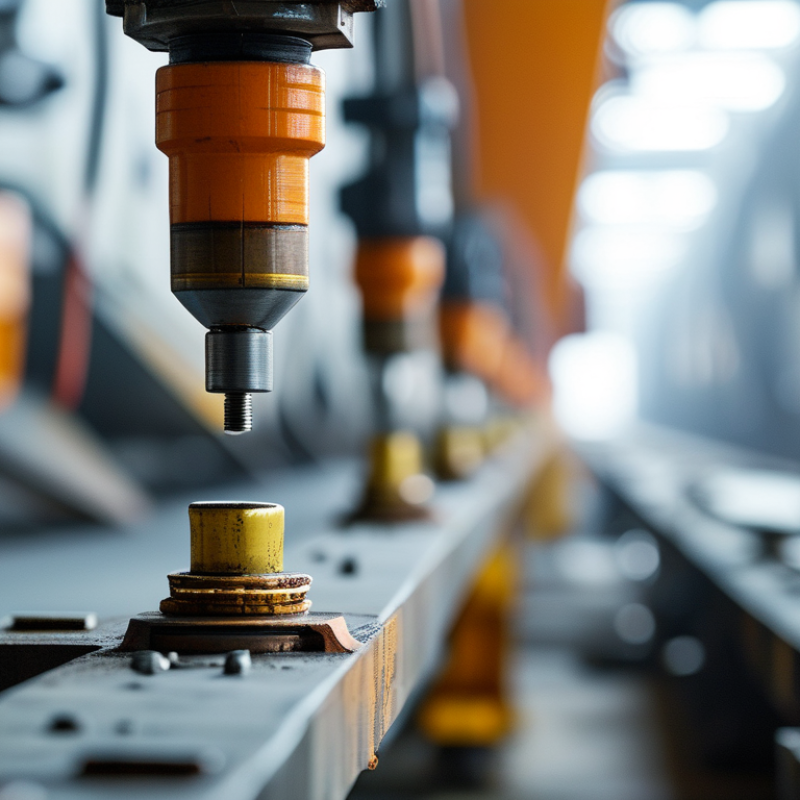
Types of Rivets Used in Manufacturing for Stronger Connections
When it comes to manufacturing, choosing the right type of rivet is critical for ensuring strong connections. Various rivets serve different purposes, and understanding these differences can improve overall structural integrity. One common type of rivet is the solid rivet, made of metal. These rivets are often used in applications where a permanent bond is essential, like in aircraft manufacturing. Solid rivets require specific tools and skilled labor for installation.
Another popular choice is the blind rivet, known for its ease of use. These rivets can be installed in tight spaces, making them ideal for many applications, such as in automotive assembly. They create a durable connection without needing access to both sides of the material. However, users must consider the load-bearing capacity and overall thickness of the materials when selecting blind rivets.
Then there are tubular rivets, which are versatile and found in various industries. They often require careful alignment during installation. While they allow for some flexibility in construction, this can also lead to challenges in ensuring a tight fit. It's essential to assess the specific needs of a project before committing to a rivet type. A thorough understanding of each rivet's characteristics will lead to stronger connections in manufacturing.
Key Characteristics of High-Quality Rivets in Industrial Applications
When selecting rivets for industrial applications, quality is paramount. High-quality rivets must be strong, durable, and resistant to corrosion. They should be made from reliable materials to withstand harsh environments. The best rivets often feature a uniform finish, ensuring consistent performance during assembly. A precise fit is crucial; it minimizes movement and enhances the strength of the connection.
In manufacturing settings, inspecting rivets before use is often neglected. Always check for defects such as cracks or inconsistent sizes. Regular audits of rivet stock can reveal issues with suppliers or material quality. Consider the type of stress your connections will face. Some rivets perform better under tensile stress, while others excel under shear stress.
Understanding rivet types is equally important. Blind rivets are excellent for hard-to-reach areas, while solid rivets offer superior shear strength. Don’t overlook the importance of proper installation techniques. A well-installed rivet is more reliable than an improperly placed one. Experimentation with different rivet types may be necessary to find the best fit for a specific application. Each manufacturing environment has unique demands, making it essential to tailor your choices accordingly.
Factors to Consider When Choosing Rivets for Manufacturing Projects
When choosing rivets for manufacturing projects, several critical factors come into play. Material selection is paramount, as different materials offer unique strengths and weaknesses. Aluminum rivets are lightweight and resist corrosion, making them suitable for applications like aircraft manufacturing. Steel rivets, on the other hand, provide exceptional strength and durability. According to a recent industry report, approximately 70% of manufacturers prioritize strength and weight when selecting rivets for structural applications.
Another important consideration is the rivet type. Blind rivets are popular for hard-to-reach areas, allowing for quick assembly. However, their strength may not match that of solid rivets. An interesting statistic reveals that up to 60% of manufacturing defects stem from improper rivet choices. This highlights the need for careful selection based on the project's specific requirements.
Lastly, the environmental conditions where the rivets will be used must be evaluated. Rivets exposed to moisture or extreme temperatures require specific coatings or materials to maintain integrity. In fact, research indicates that projects in harsh environments see a 40% increase in failures when unsuitable rivets are used. Therefore, understanding these factors is essential for ensuring robust and reliable connections in manufacturing.
Best Practices for Installing Rivets to Ensure Maximum Strength
When it comes to installing rivets, proper techniques make all the difference in achieving strength and durability. First, ensure that you’re using the right type of rivets for your material. The material of both the rivet and the objects being joined greatly influences the connection's strength. For instance, using aluminum rivets for metal sheets can yield better results.
Correct hole preparation is equally important. The holes should be clean and precisely sized to fit the rivets without excessive clearance. If holes are too large or uneven, they compromise the joint's strength. A snug fit allows the rivet to grip better and ensures that the materials do not shift under stress.
Placement matters too. Rivets should be placed strategically to distribute stress evenly along the joint. Sometimes, a simple misalignment can lead to a failure in the connection. Use clamping tools to keep materials aligned during the installation process. Regularly inspect your methods to identify areas for improvement. Refining your technique can lead to stronger, more reliable connections over time.
Best Rivets for Stronger Connections in Manufacturing - Best Practices for Installing Rivets to Ensure Maximum Strength
| Rivet Type |
Material |
Diameter (mm) |
Shear Strength (MPa) |
Tensile Strength (MPa) |
Best Practices for Installation |
| Solid Rivet |
Aluminum |
4.0 |
210 |
300 |
Use a proper hammer and anvil for effective deformation. |
| Blind Rivet |
Steel |
5.0 |
350 |
450 |
Ensure the correct length for the material thickness. |
| Pop Rivet |
Aluminum |
3.2 |
150 |
200 |
Use a pneumatic tool for consistent results. |
| Semi-tubular Rivet |
Copper |
4.8 |
200 |
300 |
Pre-drill holes for better alignment. |
| Multi-grip Rivet |
Stainless Steel |
5.0 |
400 |
600 |
Use specific drill bits to avoid damage. |
Comparative Analysis of Rivet Materials for Enhanced Durability
Rivet materials play a crucial role in manufacturing durability. Aluminum rivets are popular due to their lightweight nature and resistance to corrosion. They are suitable for various applications where weight-saving is essential. However, they may not provide the strongest connection compared to other materials. This can be a concern in high-stress environments.
Steel rivets, on the other hand, offer superior strength and are often used in heavy machinery. They withstand higher loads but are prone to rust without protective coatings. This trade-off between durability and weight should be assessed based on specific needs. Additionally, some manufacturers opt for stainless steel rivets, which balance strength and corrosion resistance well. Yet, the cost associated with stainless options can be a limiting factor.
The choice of rivet material often requires careful consideration. Factors like application, environmental conditions, and long-term performance heavily influence decisions. The manufacturing landscape is rapidly evolving, making it crucial to stay informed about new materials and technologies. Moreover, exploring the failures that arise from improper rivet selection can lead to better decisions in the future. Engaging in ongoing analysis can help manufacturers improve their processes and ensure stronger connections.




 Phone
Phone Send Email
 whatsapp
 Facebook
 Youtube