China Best Fasteners Guide for Quality and Reliability in Manufacturing?
In the fast-paced world of manufacturing, the importance of reliable fasteners cannot be overstated. Fasteners are essential components that hold together machinery, structures, and various products. They play a vital role in ensuring safety and functionality in many industries. However, not all fasteners are created equal.
Manufacturers often face challenges when sourcing high-quality fasteners. The market is flooded with options, and choosing the right type can be daunting. Factors such as material, durability, and cost must be considered. Inconsistent quality can lead to failures, posing risks in production and safety. It’s crucial to understand the specific needs of a project before selecting the proper fasteners.
China has emerged as a leading source for fasteners, offering a diverse range of products. This guide will explore the best practices in choosing fasteners from China. It will highlight reliable manufacturers and insightful tips to assist you in making informed decisions. By prioritizing quality over cost, manufacturers can avoid future regrets.
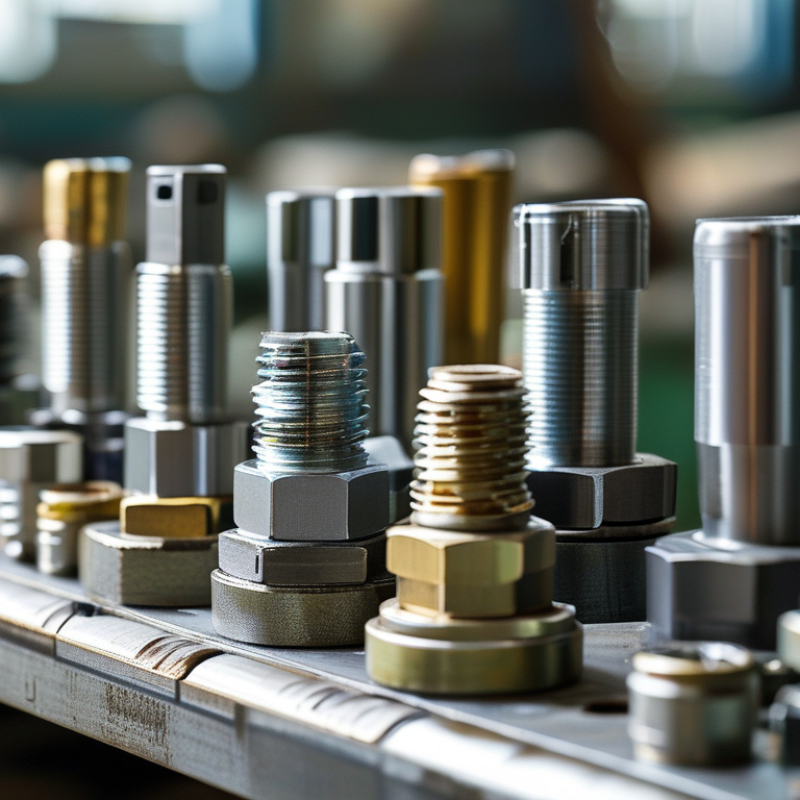
Understanding Fasteners: Types and Uses in Manufacturing
Fasteners play a crucial role in the manufacturing sector. They are the unsung heroes holding structures and products together. The global fastener market is expected to reach $110 billion by 2026, driven by increased demand in automotive and aerospace industries. Understanding different fastener types is vital for manufacturers. Common options include screws, nuts, bolts, and rivets. Each type has its unique application, influencing design and production.
Screws are often used for their versatility. They hold materials tightly together. In contrast, bolts are preferred for their strength in heavier applications. Nuts complement bolts, creating secure joints. Rivets are common in industries requiring permanent fastening. However, choosing the right fastener is complex. The wrong selection can lead to product failure, safety issues, and increased costs.
Reports indicate that up to 30% of manufacturing defects stem from improper fastener use. Manufacturers must prioritize quality and reliability when sourcing fasteners. This will minimize risks and enhance production efficiency. While many suppliers promise quality, diligent assessments are necessary. Testing and certification processes can help ensure that fasteners meet industry standards. Balancing cost with quality remains a challenge for many, needing careful consideration at every step.
China Best Fasteners Guide for Quality and Reliability in Manufacturing
| Fastener Type |
Material |
Common Uses |
Strength Rating |
Corrosion Resistance |
| Nuts |
Carbon Steel |
Machinery Assembly |
Grade 8 |
Low |
| Bolts |
Stainless Steel |
Construction |
Grade 5 |
High |
| Screws |
Brass |
Electronics |
N/A |
Moderate |
| Anchors |
Aluminum |
Heavy Equipment |
Grade 2 |
High |
| Washers |
Plastic |
Piping and Tubing |
N/A |
Very High |
Criteria for Quality Fasteners: What to Look For
When selecting fasteners for manufacturing, quality and reliability are paramount.
First, consider the material used in the fasteners. Stainless steel and carbon steel are popular choices due to their strength and resistance to corrosion. Look for fasteners with specific certifications. These indicate adherence to industry standards.
Tips: Inspect the outer surface. A smooth finish suggests quality. Rough surfaces may indicate poor manufacturing processes.
Another key factor is the design of the fastener. Ensure that the design fits the intended application. This includes thread type, length, and head style. Fasteners should also be easy to install and remove. Difficulty here may lead to issues in production.
Tips: Test a small batch before committing. This can help identify any significant issues in durability. Consistency is critical; irregularities can be a red flag.
It’s essential to be aware of suppliers' reliability. Research their track record. Look for customer reviews and feedback, which can provide insights into their dependability.
Quality fasteners lead to fewer failures. This ultimately saves time and resources in the long run.
Reputable Fastener Manufacturers in China: A Comprehensive List
China has become a hub for manufacturing high-quality fasteners. This growth can be attributed to the expertise of skilled manufacturers. Many companies focus on delivering reliable products that meet strict industry standards. This reliability is crucial for sectors like automotive, construction, and electronics.
In seeking reputable manufacturers, buyers should look for those with a strong track record. Experienced companies often provide certifications that demonstrate their commitment to quality. It's helpful to examine customer reviews and case studies. These insights can reveal the real-world performance of fasteners.
Not every manufacturer will excel in all aspects, though. Some may specialize in specific types of fasteners, while others might struggle with certain materials. It's important to assess the unique needs of your project. Comparing different suppliers helps in finding the right fit. Ultimately, informed decisions can lead to quality outcomes in manufacturing.
Quality Control Processes in Fastener Production
In fastener production, quality control is crucial. Each step of the manufacturing process requires careful oversight. From raw materials to finished products, attention to detail matters. Manufacturers must ensure that materials meet standards. This involves rigorous testing for strength and durability.
Implementing effective quality control processes starts with supplier evaluation. Reliable suppliers provide materials that meet specifications. It’s also essential to monitor production closely. Regular inspections can identify potential issues early. Investing in training workers on quality standards can enhance overall production.
Tips for improving quality control include establishing clear guidelines. Create checklists for every stage of production. Use statistical process control to monitor trends and variability. Encourage feedback from employees on quality issues. They often have insights that management may overlook. Understanding their perspective can lead to more effective solutions. Aim for continuous improvement, even in areas that seem fine. Challenges can reveal opportunities for growth.
The Future of Fasteners: Innovations and Trends in the Industry
The fastener industry is undergoing significant innovations as manufacturers seek more efficient and reliable solutions. According to a recent report by Transparency Market Research, the global fasteners market is expected to reach $112 billion by 2025. This surge reflects growing demands in aerospace, automotive, and construction sectors. Emerging materials like high-strength steel and corrosion-resistant alloys are reshaping product designs. Manufacturers are investing heavily in research and development to meet these evolving needs.
Trends such as automation and digitalization are changing production methods. The use of Industry 4.0 techniques is improving efficiency, allowing for more precise manufacturing processes. A Deloitte study indicates that 50% of manufacturers are adopting smart factory technologies to enhance productivity. However, with these advancements come challenges. Companies face a skills gap as workers must adapt to new technologies. Quality control becomes more complex as automation increases. It’s crucial for manufacturers to balance innovation with reliability to maintain competitive advantages in this fast-evolving market.
China Best Fasteners Market Trends and Innovations


 Phone
Phone Send Email
 whatsapp
 Facebook
 Youtube