China Top Fasteners for Global Buyers What You Need to Know?
In the global marketplace, fasteners are essential components in various industries, from automotive to construction. According to a report by Grand View Research, the global fastener market was valued at approximately $88 billion in 2020 and is projected to expand at a compound annual growth rate (CAGR) of 4.8% from 2021 to 2028. This growth highlights the increasing demand for quality fasteners, particularly from China, which has positioned itself as a leading supplier.
Fasteners play a crucial role in ensuring the safety and durability of products. However, the intricacies of sourcing these components can be overwhelming. Quality standards, compatibility, and material specifications are just a few factors buyers must consider. Research indicates that nearly 30% of fastener failures are attributed to improper selections. This can lead to significant issues in end products, underscoring the importance of accurate sourcing.
While China's fastener industry offers a vast array of options, it is crucial for global buyers to be discerning. The landscape is saturated with both reliable manufacturers and those lacking stringent quality controls. Understanding the nuances of fastener specifications and supplier reliability is vital for making informed decisions that can impact overall project success and safety.
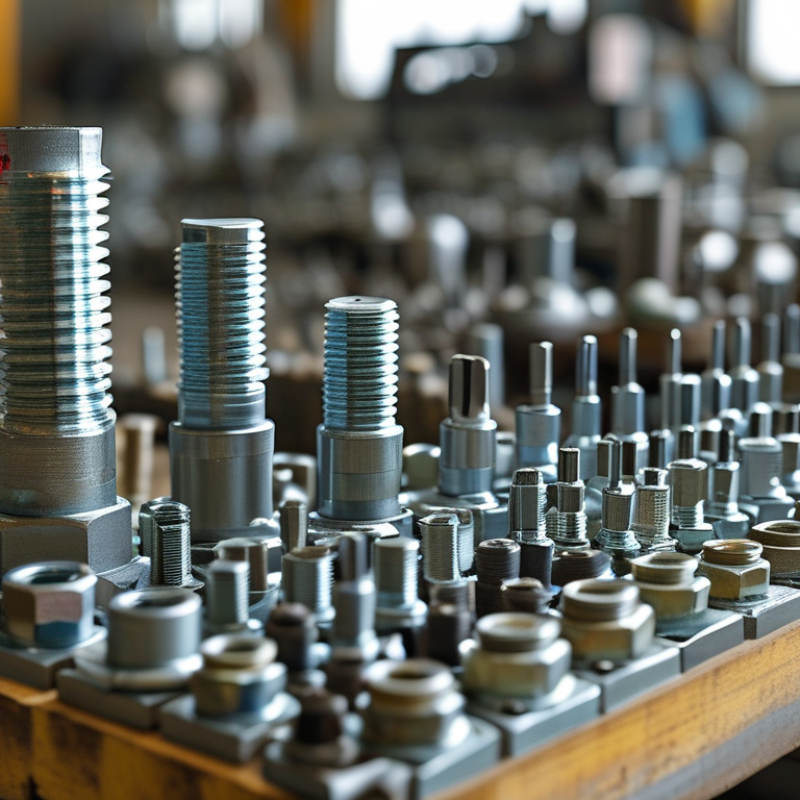
Understanding the Fastener Industry Landscape in China
The fastener industry in China plays a crucial role in global supply chains. It has grown significantly over recent years, driven by increased demand in various sectors, including automotive and construction. According to industry reports, China's fastener export value was around $14 billion in 2022, showing an increase of 6% from the previous year. This growth reflects both robust production capacity and competitive pricing.
Understanding the landscape requires knowledge of production processes. China produces a vast range of fasteners, from simple screws to complex locking mechanisms. Around 80% of Chinese fasteners are manufactured in just a few key regions. Regions like Zhejiang and Guangdong are known for their specialized facilities that enhance productivity. Yet, quality control remains a challenge, with frequent discrepancies reported.
Additionally, the fastener market faces increasing demands for sustainable practices. Buyers are now seeking suppliers that prioritize eco-friendly materials and processes. This shift calls for an industry-wide reflection on waste management and recycling practices. While China's fastener production is unmatched in scale, the need for continuous improvement in quality assurance and sustainability is vital.
Top Fastener Exports from China (2022)
Key Factors Driving China's Fastener Market Growth
China's fastener market has seen significant growth in recent years. Several key factors contribute to this trend. The country's industrial expansion plays a crucial role. As manufacturing demands increase, so does the need for fasteners. Fasteners are essential components in many industries. These include automotive, construction, and electronics.
Another driving force is technological advancement. Chinese manufacturers are adopting modern production techniques. Automation and efficient processing improve productivity. Quality has become a focal point as well. Businesses now prioritize high standards to meet global expectations. This shift helps to build trust and reliability among buyers.
However, challenges exist. The fastener industry faces intense competition. Companies must innovate continuously to stand out. Regulatory changes may also impact production lines. Adapting to new standards requires flexibility and foresight. Though the opportunities are vast, businesses must navigate this evolving landscape carefully.
Top Manufacturers of Fasteners in China and Their Specialties
China has become a key player in the global fastener market. It accounts for over 30% of worldwide fastener production. This is largely due to its vast manufacturing capabilities. Chinese manufacturers produce a variety of fasteners, including bolts, nuts, screws, and washers. Each manufacturer often specializes in specific products, enhancing their efficiency and quality control.
In the realm of automotive fasteners, precision and durability are paramount. Many Chinese manufacturers focus on high-strength fasteners that meet international standards. Reports indicate that the automotive fastener market is projected to grow significantly, driven by increasing vehicle production. However, not all manufacturers maintain the same quality. Buyers must research and vet suppliers carefully.
The construction sector also relies heavily on fasteners. Many Chinese companies produce fasteners that are corrosion-resistant, crucial for outdoor applications. Yet, sourcing from specific regions can pose risks. Delivery times can vary widely. Volume discounts may not apply to small orders, challenging smaller buyers. Understanding these nuances is essential for effective procurement.
Quality Standards and Certifications for Chinese Fasteners
When sourcing fasteners from China, understanding quality standards is crucial. Chinese manufacturers adhere to various international certifications. Common standards include ISO, ANSI, and ASTM. These certifications ensure that products meet specific durability and performance criteria. Buyers should verify these standards before making purchases to avoid subpar products.
Quality control is vital in production. However, not all manufacturers comply consistently. Some may cut corners to reduce costs. This inconsistency can lead to product failure, impacting projects and safety. To mitigate such risks, look for suppliers with a proven track record. Request samples and perform your own testing to assess quality firsthand.
Establishing strong communication with suppliers is essential. Ask about their quality assurance processes and certifications. This directly influences the reliability of the fasteners you receive. Furthermore, direct communication can help clarify any doubts regarding specifications or manufacturing practices. Building a reliable partnership with your supplier fosters trust and ensures smoother transactions in the long run.
Navigating Import Regulations for Fasteners from China to Global Markets
Navigating the import regulations for fasteners from China is crucial for global buyers. Understanding these rules can save time and prevent costly mistakes. Each country has specific safety standards for fasteners. Buyers must familiarize themselves with these requirements to ensure compliance.
Documentation is a major hurdle in the import process. You will need a detailed commercial invoice, packing list, and possibly a certificate of origin. Missing or incorrect paperwork can lead to delays. Customs authorities might require additional information, which complicates matters further.
Another challenge is quality control. Not all suppliers adhere to the same standards, which can result in discrepancies. Conducting thorough audits or inspections prior to shipping is vital. A supplier may seem reputable, but the reality might differ. Buyers should stay vigilant and prepare for potential issues that may arise during shipping.


 Phone
Phone Send Email
 whatsapp
 Facebook
 Youtube