What Are Fasteners Types and Their Applications Worldwide?
In the world of manufacturing and construction, fasteners play a crucial role. They are essential components that secure different materials together. According to Jane Smith, a leading expert in the fasteners industry, "Fasteners are the unsung heroes of modern engineering." This highlights their significance in various applications, from small electronics to large structural assemblies.
Fasteners come in many types, each serving unique functions. For instance, bolts, screws, and rivets are widely used. Each type has specific strengths and weaknesses. Understanding these differences is vital for selecting the right fastener for each project. This decision can impact the overall integrity and durability of constructions.
The global fasteners market continues to evolve. Innovations and technology advancements change how these components are made and used. However, challenges remain. Manufacturers must navigate quality control and sustainability in production. These factors are essential to ensure reliability in fasteners, ultimately affecting many industries worldwide.
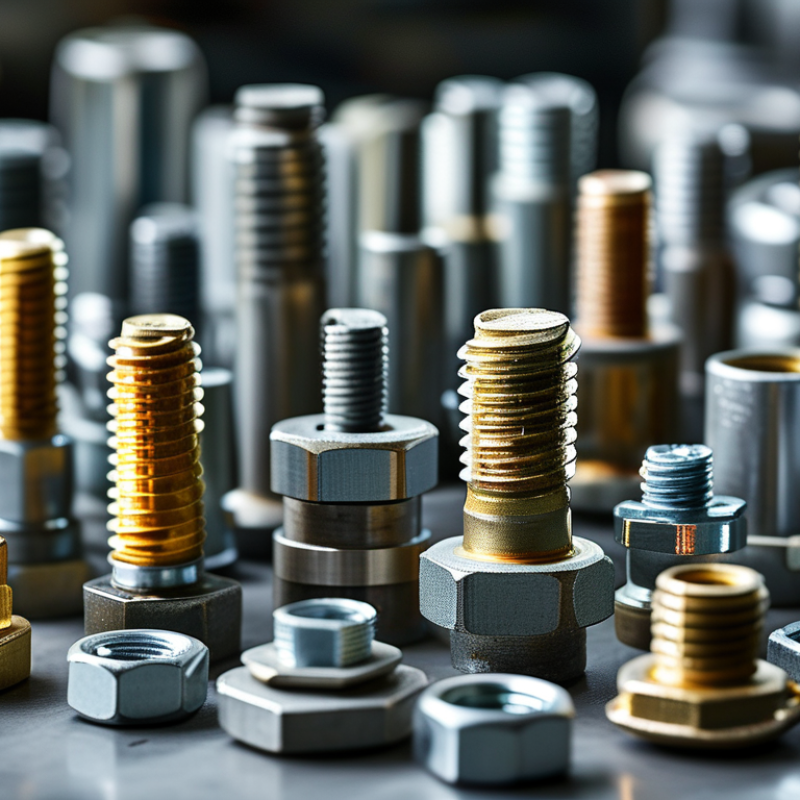
Types of Fasteners: An Overview of Categories and Specifications
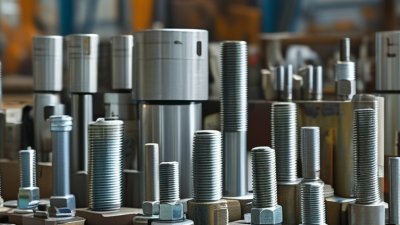
Fasteners play a crucial role in construction and manufacturing. Understanding their types and specifications is essential for reliable applications. Common fasteners include screws, bolts, nuts, and rivets. Each type serves a unique purpose. For instance, screws provide strong hold in wood, while bolts are ideal for heavy-duty applications.
In addition to these basic types, fasteners can be categorized based on material. Steel, brass, and plastic are widely used materials. Steel is strong and durable, making it ideal for structural applications. Brass offers corrosion resistance, often in plumbing. Plastic fasteners are lightweight, suitable for electronics.
Despite the variety, choosing the right fastener is not always straightforward. Factors such as load requirements and environmental conditions must be considered. Misjudging these aspects can lead to failures. This highlights the importance of expertise in fastener selection. Knowing specifications and standards is critical for ensuring safety and durability in projects.
Mechanical Fasteners: Bolts, Nuts, and Screws in Engineering
Mechanical fasteners play a crucial role in engineering. They are the unsung heroes of construction and assembly. Among these, bolts, nuts, and screws stand out due to their versatility.
Bolts, typically featuring a head and threaded shaft, are essential for creating strong connections. They are often used in steel structures, automotive applications, and machinery assembly.
Nuts complement bolts by providing a secure fastening mechanism. A nut fastens to a bolt to create a strong hold. Their shapes and sizes vary to accommodate different needs. For example, flange nuts distribute load more evenly, reducing the risk of loosening.
Screws, on the other hand, drive directly into materials. They are common in woodworking and sheet metal. Their design allows them to provide excellent grip and stability.
Using mechanical fasteners correctly is crucial. Misalignment can lead to failures. It's important to choose the right materials and types for specific applications. The complexity of applications should not be overlooked.
Different environments require different fasteners, considering factors like temperature and corrosion. A deeper understanding of these elements can enhance reliability and performance in engineering projects.
Specialized Fasteners: Anchors, Rivets, and Their Industrial Uses
When exploring specialized fasteners, anchors and rivets stand out due to their diverse industrial applications.
Anchors provide essential support in various structures. They secure objects to walls or ceilings, making them vital in construction and carpentry.
Different types of anchors exist, including expansion anchors, which are common in masonry work, and concrete screws for sturdy installations.
Rivets, on the other hand, offer strong, permanent fastening options. They are widely used in aerospace and automotive industries.
Rivets create a robust connection between materials, essential for safety and durability. Their strength makes them ideal for metalworking, where welding might not be practical.
Tips: When selecting fasteners, consider the material and weight they will support. Always check the load rating for anchors.
Regularly inspect rivets in high-traffic areas for any signs of wear or damage. Sometimes, a simple visual inspection can prevent major issues.
Understanding the right fastener types can significantly impact project success.
Global Fasteners Market: Trends, Demand, and Regional Insights
The global fasteners market has seen remarkable growth. Various industries rely on fasteners for construction, automotive, and electronics. This demand drives innovation in materials and designs, adapting to changing needs.
In recent years, sustainability trends have surfaced. Many companies focus on eco-friendly materials. However, the shift can be challenging. Not all manufacturers balance cost and sustainability effectively. It is crucial for the industry to embrace greener practices while maintaining quality.
Regional analysis reveals diverse needs. For instance, the construction sector in Asia requires robust fasteners due to seismic activities. Meanwhile, North America favors lightweight options for vehicle manufacturing. Each region’s preferences influence supply chain strategies. This complexity poses questions about future developments and adaptability.
Key Applications of Fasteners in Automotive, Construction, and Aerospace Industries
Fasteners play a crucial role in various industries, especially in automotive, construction, and aerospace. In the automotive sector, fasteners ensure structural integrity in vehicles. They secure engine components, body panels, and safety systems. For example, bolts and screws hold the chassis together, maintaining safety during high speeds. However, improper installation can lead to failures, putting lives at risk.
In construction, fasteners are vital for building stability. They are used in framing, roofing, and siding applications. Nails and anchors hold materials in place, ensuring structures can withstand environmental stress. Unfortunately, a lack of attention to detail can cause joint failures, compromising building safety. Regular inspections and proper installation techniques are essential to avoid these risks.
The aerospace industry relies heavily on fasteners to ensure aircraft safety and performance. Each bolt and rivet has a specific application that demands precision. They are used in everything from the fuselage to the engine mounts. Yet, the complexity of these applications can lead to oversights. Continuous training and adherence to industry standards are necessary to mitigate potential issues. Ensuring the reliability of fasteners is paramount for safety in the air.
Fasteners Types and Their Applications Worldwide
This bar chart illustrates the various types of fasteners and their applications in different industries worldwide, showcasing the percentage of usage for each type in automotive, construction, and aerospace sectors.



 Phone
Phone Send Email
 whatsapp
 Facebook
 Youtube