Top Fasteners Trends of 2026 for Global Buyers?
As we approach 2026, the fasteners industry is set to undergo significant transformations. The global fasteners market, valued at approximately $98 billion in 2021, is projected to reach around $120 billion by 2026, according to a recent market analysis from MarketsandMarkets. This growth reflects a rising demand across various sectors, particularly in construction and automotive industries.
Fasteners are essential components in numerous applications, ensuring structural integrity and safety. However, challenges persist, including fluctuating raw material costs and supply chain disruptions. These factors can hinder production rates and affect pricing strategies. Industry experts emphasize the need for innovation and sustainability in fastener manufacturing to meet evolving market demands.
Understanding these trends is critical for global buyers. They must navigate a landscape marked by emerging technologies and shifting consumer preferences. Embracing advancements, such as smart fasteners and eco-friendly materials, could provide competitive advantages. Evaluating these changes will require ongoing research and strategic planning for successful sourcing of fasteners in the coming years.
Emerging Materials in Fastener Production for 2026
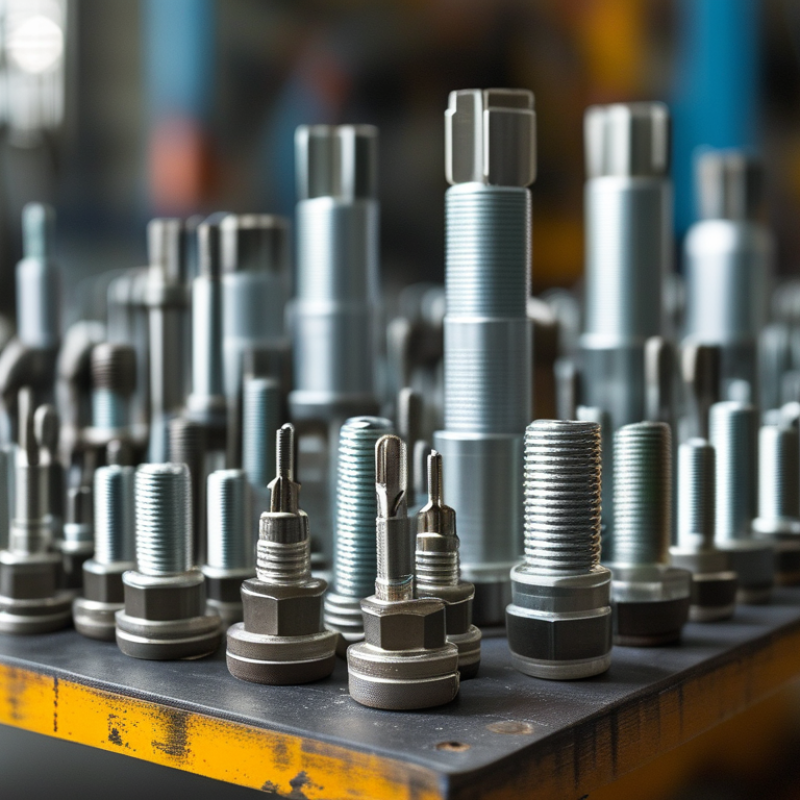
The fastener industry is evolving, driven by new materials and advanced production techniques. In 2026, emerging materials are set to dominate the market. According to the Global Industry Analysts report, the use of composite materials is projected to increase significantly. These advanced composites offer superior strength and weight reduction compared to traditional metal fasteners.
Another noteworthy trend is the rise of bio-based materials. As sustainability becomes essential, manufacturers are exploring eco-friendly options. Bio-based fasteners can reduce environmental impact while maintaining quality standards. Data from MarketsandMarkets indicates that the global market for bio-based products is expected to grow at a compound annual growth rate of over 10% by 2026.
The integration of smart materials is also on the horizon. These materials can adapt to different conditions, offering enhanced performance. For example, shape-memory alloys enable fasteners to return to a pre-defined shape after deformation. However, the challenge lies in their higher production costs and the need for specialized manufacturing techniques. As the industry moves forward, addressing these issues will be crucial for widespread adoption.
Innovative Fastening Technologies Shaping the Market
The fasteners market is evolving rapidly. Innovative fastening technologies play a crucial role in how products are assembled. These advancements are improving efficiency and driving demand across various industries, from construction to automotive.
Smart fasteners are gaining popularity. These fasteners are designed with integrated sensors that provide real-time data on load and stress. They help in predictive maintenance and reduce the risk of failure. As industries move toward automation, such technologies are becoming essential.
Tips for adapting to these trends include investing in training for your workforce. Understanding new technologies ensures that your team can leverage fasteners effectively. Regularly assess your supply chain. Staying updated on new products will prevent potential gaps in your operations. Engaging in feedback loops with your teams will uncover areas needing improvement.
Overall, the landscape of fastening technologies illustrates a blend of innovation and practicality. As we move into 2026, embracing these changes will be vital for companies to thrive.
Top Fasteners Trends of 2026 for Global Buyers
Sustainability Trends in Fastener Manufacturing Processes
Sustainability is reshaping the fastener manufacturing landscape as we approach 2026. Eco-friendly practices are no longer optional; they are essential. According to a recent report, 73% of fastener manufacturers are investing in sustainable technologies. This shift is driven by regulatory pressures and consumer demand for greener products.
Many companies now aim to reduce carbon footprints. For instance, lightweight materials and recyclable components are gaining popularity. This not only lowers emissions but also enhances performance. However, achieving these goals poses challenges. Many existing processes are not designed for sustainability. Adapting them requires investment and innovation.
Additionally, the global supply chain faces scrutiny over environmental impacts. A study highlights that 65% of buyers prioritize suppliers with robust sustainability practices. This trend motivates manufacturers to improve transparency in sourcing and production. While progress is being made, inconsistencies in implementation are evident. The transition is a journey, not a destination, and reflects the industry's commitment to a sustainable future.
Global Supply Chain Dynamics Impacting Fasteners by 2026
In 2026, global supply chain dynamics will transform the fastener market significantly. Increased digitalization will streamline logistics. However, challenges remain. Disruptions from geopolitical tensions can create uncertainties. Adapting to these shifts is vital for buyers.
Buyers must stay informed about material sources. Sustainability will be a key factor. Eco-friendly fasteners are gaining traction. This trend may reshape purchasing decisions and supplier relations. Price volatility of raw materials can affect availability. Being flexible with sourcing options is crucial.
Regular audits of supply chains can help identify risks. Collaborating with local suppliers may mitigate long-term disruptions. Understanding market forecasts enables better planning. Building strong relationships with manufacturers strengthens overall reliability. As the landscape evolves, adapting quickly will help navigate challenges.
Consumer Preferences Driving Fastener Design Innovations
In 2026, the fastener industry will witness a shift driven by consumer preferences. Buyers increasingly demand sustainable and innovative designs. Fasteners will need to adapt to changing environmental standards. Biodegradable materials and energy-efficient production methods will become crucial. However, achieving these goals is not simple. It requires collaboration and investment in new technologies.
Manufacturers must also focus on aesthetics. Colorful and customizable fasteners are gaining popularity. Consumers want products that reflect their personal style. However, finding the balance between design and functionality poses a challenge. There is a risk of compromising strength for appearance. This dilemma requires careful consideration in product development.
Moreover, the rise of e-commerce is influencing fastener choices. Online reviews and social media feedback shape buyer decisions. A fastener’s visibility and reputation can make or break its market success. Companies must embrace this reality and enhance customer engagement. Listening to consumer needs can guide future innovations. Yet, it’s essential to remain skeptical of fleeting trends that may not have staying power. This balance will define the evolution of fasteners in the coming years.
Top Fasteners Trends of 2026 for Global Buyers
| Trend |
Description |
Driving Consumer Preference |
Projected Market Growth (%) |
| Sustainability |
Increased demand for eco-friendly materials and processes in fastener production. |
Consumers prefer products that minimize environmental impact. |
15% |
| Smart Fasteners |
Integration of technology in fasteners, allowing for monitoring and remote adjustments. |
Increased demand for smart home and IoT solutions. |
20% |
| Customization |
Growing trend toward personalized fastener solutions catering to specific needs. |
Consumers' desire for unique and customized products. |
10% |
| Lightweight Materials |
Shift toward lighter materials without compromising strength and durability. |
Demand for enhancing efficiency and performance in various applications. |
12% |
| Automation & Robotics |
Increased use of automation in fastener assembly and installation processes. |
Preference for efficiency and reduced labor costs. |
18% |


 Phone
Phone Send Email
 whatsapp
 Facebook
 Youtube