What is a Rivet and How to Choose the Right One?
Rivets are essential fasteners used in various industries. They offer a reliable method for joining materials, particularly metals. Choosing the right rivet can greatly impact the integrity of a project. Understanding rivets requires both knowledge and experience.
When selecting rivets, consider factors like material type, size, and application. Different projects demand specific rivet characteristics. For example, aluminum rivets are lightweight and corrosion-resistant. Steel rivets provide strength, while copper rivets offer excellent conductivity. Each type serves a unique purpose.
It's vital to acknowledge that not all rivets suit every situation. Mistakes in selection can lead to failures in assemblies. An ill-fitting rivet can compromise durability. Hence, careful consideration is crucial. Gaining expertise in rivet selection enhances the quality of your work, fostering trust in your projects.
What is a Rivet: Definition and Purpose
A rivet is a mechanical fastener used in various construction applications. The primary purpose of a rivet is to join materials together, providing a strong, permanent connection. Traditionally, rivets are made from metal and are widely used in industries such as aerospace, automotive, and manufacturing. Research from the American Institute of Steel Construction highlights that proper rivet installation is crucial for structural integrity. An improperly placed rivet can lead to significant failures.
Choosing the right rivet involves understanding its purpose. For example, blind rivets are ideal for tight spaces where access is limited. On the other hand, solid rivets are preferred for high-strength applications. According to industry analytics, the global rivet market was valued at nearly $1 billion in 2022, correlating with increased construction activities. It is essential to consider the materials you are working with; for instance, aluminum rivets are lightweight but may not suit heavy-duty applications.
It's also worth noting that not all rivets provide the same level of reliability. Environmental factors, such as corrosion, can weaken rivets over time. For instance, selecting a stainless-steel rivet can offer better corrosion resistance than traditional steel. However, the cost may be a deciding factor. Balancing these considerations is not always straightforward, and it often requires careful evaluation of project needs.
Types of Rivets: A Comprehensive Overview
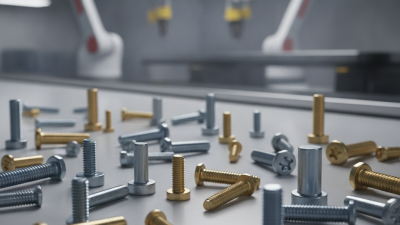
When choosing the right rivet, understanding the different types is crucial. Rivets are used in various applications, from construction to automotive industries. The most common types include solid, blind, and tubular rivets. Solid rivets are strong and durable, ideal for heavy-duty applications. However, they require access to both sides of the material.
Blind rivets, also known as pop rivets, are convenient because they can be installed from one side. They are popular for sheet metal and construction projects. Tubular rivets are lightweight and allow for easy alignment of components. Each type has its unique benefits, but it's important to consider the specific project requirements.
Selecting the right rivet involves assessing factors like material, load capacity, and environmental conditions. For instance, using a rivet made from stainless steel can offer better corrosion resistance. Remember, a poorly chosen rivet can lead to structural failures. Always evaluate the demands of your project carefully. Don't rush the process; it can save time and effort in the long run.
Factors to Consider When Choosing a Rivet
When selecting a rivet, several key factors come into play. Understanding the material of the rivet is crucial. Aluminum, stainless steel, and copper are common choices. Each material has distinct properties. Aluminum rivets are lightweight and resistant to corrosion. Stainless steel offers strength and durability. Copper rivets are ideal for electrical applications due to their conductivity. Industry reports indicate that the choice of rivet material can impact the overall integrity of the assembled structure.
The size and diameter of rivets are equally important. Misjudging these measurements can lead to structural failures. Too small a rivet may not hold securely, while too large can cause material distortion. According to data, 30% of assembly failures stem from incorrect rivet sizing. Additionally, the type of joint being made can influence rivet selection. Solid, blind, and tubular rivets serve different purposes. Understanding the load and environmental conditions can guide these choices.
Finally, ensure proper installation techniques. Poorly installed rivets compromise strength. Reports suggest that 25% of rivet-related issues arise from insufficient training in installation methods. Assessing the requirements of your project and considering these factors will enhance the reliability of your rivet choice. Balancing strength, material, and installation prevents costly mistakes in the long run.
Applications of Rivets in Various Industries
Rivets play a crucial role in various industries, providing a reliable method for joining materials. In construction, rivets are often used to connect steel beams, ensuring structural integrity. Their strength is essential in high-rise buildings and bridges, where safety is paramount. The effective distribution of stress across riveted joints helps prevent failures.
In the automotive sector, rivets are widely employed in assembling parts such as body panels and frames. This method provides durability and resistance to vibration. Interestingly, the rivet choice can impact weight and performance. Maintenance concerns also arise, as inspecting riveted joints can be challenging.
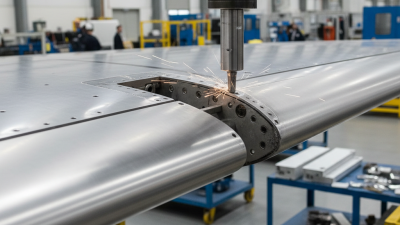
Aerospace applications highlight the importance of using the right rivet materials. Aluminum and titanium rivets are common here, offering lightweight yet strong solutions. With fluctuating temperatures and pressures, selecting the appropriate rivet can enhance safety and performance. However, choosing the wrong type may lead to increased costs and repairs. Engineers often reflect on these choices to improve future projects.
Installation Techniques for Different Rivet Types
Riveting is a common method for joining materials in various industries. Each rivet type requires specific installation techniques to ensure durability and reliability. For example, blind rivets are often used where access is limited. They require a rivet gun for installation. The force applied needs to be consistent to create a secure joint. According to the Institute of Industrial Technology, improper installation can reduce a joint’s strength by up to 50%.
For solid rivets, hammering can create a strong bond. This requires precision, as too much force may deform the rivet. One study from the Riveting Association indicates that incorrect hammering can lead to fatigue failures in materials. Ensuring the correct hammering technique can mitigate this risk. Using appropriate backing bars during installation can also enhance joint strength.
It is vital to choose the right tools based on rivet type. Access to the joint area and the material being joined are key considerations. Evaluate the environment as well. Some materials may expand or contract with temperature changes. Awareness of these factors can lead to better decisions during the riveting process. Regularly checking tools and techniques helps maintain high-quality standards.







 Phone
Phone Send Email
 whatsapp
 Facebook
 Youtube