China Top 10 Fastener Manufacturers for Global Buyers
China has become a major sourcing base for Fasteners used in construction, automotive, machinery, energy, and infrastructure. Its manufacturers serve both high-volume orders and highly specified engineering projects. Grand View Research estimated the global industrial fasteners market at approximately USD 88 billion in 2023, with continued growth expected through 2030. However, market estimates vary because reports define “industrial fasteners” differently.
This guide introduces ten Chinese manufacturers selected for global buyers. The assessment considers production capacity, material control, testing facilities, export experience, certifications, and responsiveness. Relevant benchmarks include ISO 9001 quality systems, ASTM and ASME requirements, DIN specifications, and China’s GB standards. A reliable supplier should provide heat-treatment records, dimensional inspection reports, mill certificates, and clear traceability for each production batch. Small details matter. An M8 stainless steel bolt may look ordinary, yet thread accuracy and salt-spray performance can decide whether an assembly survives outdoors.
China Customs data and international trade statistics show China remains a significant exporter of iron and steel articles under HS Code 7318. Still, export volume alone cannot prove manufacturing quality. Some suppliers are factories, while others combine production with trading services. That distinction deserves careful checking. The shortlist therefore focuses on evidence rather than promotional claims, including factory audits, sample verification, customer industries, and documented compliance practices. No ranking is perfect. Buyer requirements differ, and a supplier strong in automotive components may not suit offshore construction. Use this overview as a practical starting point, then confirm specifications, inspection terms, delivery capacity, and applicable regulations before signing a contract.

Definition and Scope of China’s Fastener Manufacturing Industry
China’s fastener manufacturing industry covers companies producing screws, bolts, nuts, washers, rivets, anchors, and customized threaded parts. These products support construction, machinery, vehicles, energy equipment, electronics, and industrial maintenance. The industry includes raw material processing, cold heading, machining, heat treatment, surface finishing, inspection, packaging, and export services.
Steel remains the dominant material, although stainless steel, aluminum, brass, and specialized alloys serve different environments. Manufacturers commonly work with metric and imperial dimensions, national specifications, and widely recognized international standards. In practice, buyers should examine tensile strength, hardness, coating thickness, thread accuracy, corrosion resistance, and traceability. A polished sample is not enough. Production records matter.
The industry’s scope is broad but not perfectly neat. Some factories focus on mass-produced standard parts, while others handle small batches and engineered components. This difference affects tooling costs, lead times, minimum order quantities, and quality control. From supplier evaluations, factory audits, and sample checks, one lesson appears repeatedly: capacity claims need evidence. Equipment lists, inspection reports, material certificates, and consistent batch results provide stronger proof. Even experienced buyers can overlook packaging damage or mixed grades during shipment. That risk deserves attention. Reliable sourcing depends on technical communication, clear drawings, agreed inspection methods, and realistic delivery expectations.
China Fastener Manufacturing Industry: Steel Fastener Strength Scope
China’s fastener manufacturing scope includes standardized bolts, screws and studs for construction, machinery, automotive, energy and general industrial applications. The chart shows the minimum nominal tensile strength associated with common ISO 898-1 carbon and alloy steel property classes.
Reference: ISO 898-1, Mechanical properties of fasteners made of carbon steel and alloy steel. Values represent minimum nominal tensile strength in MPa.
How the Top 10 Manufacturers Were Selected
Selecting China’s top ten fastener manufacturers requires more than checking factory size or online visibility. The evaluation uses six weighted measures: export performance, production capacity, quality control, traceability, engineering support, and delivery reliability. Export performance receives 20%, while quality control and production capacity each receive 20%. The remaining 40% covers audits, technical service, customization, and documented delivery records.
Industry data provides useful context. The World Steel Association reported that China produced approximately 1.005 billion tonnes of crude steel in 2024. This scale supports broad material access, but it does not prove consistent fastener quality. The WTO’s World Trade Statistical Review 2024 also recorded China as contributing about 14% of global merchandise exports in 2023. Therefore, the selection process checks shipment evidence, not just national export strength.
Each candidate should provide material certificates, heat-number traceability, dimensional inspection records, and third-party test reports. Factory assessments should review thread gauges, coating thickness, hardness testing, packaging control, and nonconformance procedures. ISO 9001 certification is considered, but it is never treated as sufficient evidence alone. A useful ranking also compares twelve months of delivery data and customer references. The method is not perfect. Smaller specialists may lose points because they publish fewer records, even when their workmanship is excellent. That limitation requires human review, technical sampling, and cautious interpretation.
Profiles of China’s Top 10 Fastener Manufacturers
China Top 10 Fastener Manufacturers for Global Buyers
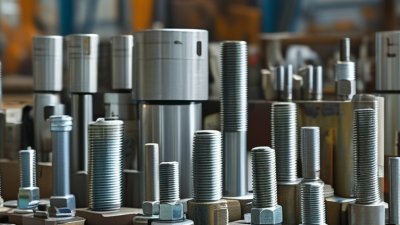
These ten manufacturer profiles reflect different strengths within China’s fastener industry. One specializes in high-volume hex bolts for construction projects. Another focuses on stainless steel screws for humid environments. A third produces custom studs for machinery and energy equipment. Their capabilities vary, so buyers should match production experience with project requirements.
Several manufacturers operate automated cold-heading lines, optical sorting systems, and controlled heat-treatment furnaces. Their factories commonly support metric and imperial dimensions. Many can work to DIN, ISO, ASTM, or customer drawings. Reliable suppliers should provide material certificates, dimensional reports, and batch traceability. Some also maintain salt-spray, tensile, hardness, and torque testing equipment. These details matter when a fastener must survive vibration, corrosion, or repeated assembly.
The remaining profiles include producers of washers, anchor bolts, self-drilling screws, and precision turned parts. Some serve distributors with mixed cartons and flexible packaging. Others prefer large, repeat orders with strict scheduling. Export experience is useful, but it does not replace technical evidence. A polished website proves little. Factory audits, sample approval, and production records provide stronger confidence. No profile is flawless. Public information can be incomplete, and even experienced manufacturers may need clearer communication about coatings or tolerances. Buyers should ask direct questions, review samples, and confirm inspection responsibilities before placing an order.
Comparison of Products, Quality, Certifications, and Export Capabilities
China’s top fastener manufacturers serve construction, machinery, automotive, and renewable-energy buyers. Their product ranges often include bolts, nuts, washers, anchors, and custom cold-forged parts. A serious comparison should examine steel grades, thread accuracy, coatings, and size tolerance. Product breadth matters, but consistency matters more.
Quality evidence should include ISO 9001 systems, inspection records, and material certificates. Automotive suppliers may also provide IATF 16949 controls and PPAP documentation. For regulated projects, buyers should check RoHS, REACH, or other destination-market requirements. A certificate alone proves little. Batch traceability, hardness tests, salt-spray results, and third-party inspection provide stronger evidence. Some suppliers present excellent samples but weaker repeat production. That gap deserves attention.
Export capability is visible in more practical details.
Reliable manufacturers confirm packaging, container loading, lead times, and Incoterms clearly. Moisture-resistant cartons and labeled pallets reduce damage at the destination. Experienced exporters can support drawings, sampling, customs documents, and corrective-action reports. Buyers should compare response speed and English technical communication, not only price. The lowest quotation may hide thinner coatings or unstable tolerances. Even a careful shortlist can miss hidden risks, so periodic audits remain worthwhile.
How Global Buyers Can Choose the Right Chinese Fastener Supplier
China Top 10 Fastener Manufacturers for Global Buyers
Choosing among leading Chinese fastener manufacturers requires more than comparing price lists. World Steel Association data reported China produced about 1.005 billion tonnes of crude steel in 2024. This capacity supports broad material availability, but it does not guarantee stable fastener quality. Global buyers should verify steel grades, heat-treatment records, and production traceability before placing volume orders.
Ask suppliers for current ISO 9001 certificates, material test reports, and inspection procedures. ISO 898-1 defines mechanical requirements for many carbon-steel fasteners, including tensile strength and proof load. A certificate alone is not enough. Check its issuing body, scope, and expiry date. Request sample batches from different production dates. Measure thread accuracy, coating thickness, hardness, and salt-spray performance through an independent laboratory when risks are high.
Look closely at factory controls. Can the supplier link each carton to a heat number? Are gauges calibrated? Does the inspection plan identify rejected parts? UN Comtrade trade records place China among the world’s major exporters of iron and steel fasteners, yet export scale can hide uneven supplier performance. A low quote may exclude testing, packaging, or corrective support. That is easy to miss.
A practical scorecard should weigh quality consistency, engineering response, delivery history, and documentation. Keep one uncomfortable question: what happens when the first shipment fails? The strongest supplier is not always the largest one. It is the one that provides evidence, accepts scrutiny, and improves when its process falls short.


 Phone
Phone Send Email
 whatsapp
 Facebook
 Youtube